
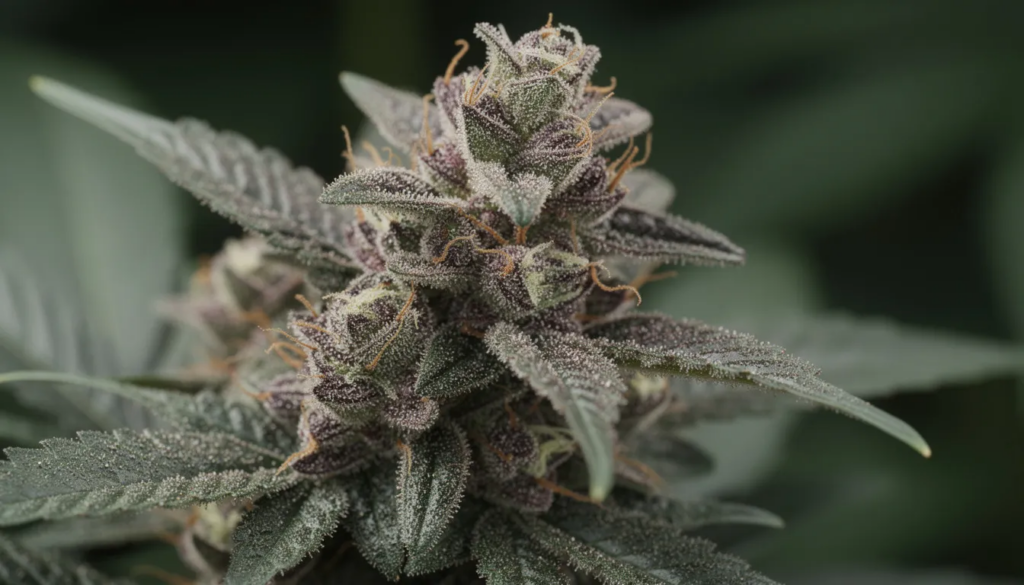


THCA, or tetrahydrocannabinolic acid, is a fascinating compound found naturally in cannabis plants. Unlike its more famous counterpart THC, THCA is non-psychoactive in its raw form but transforms into THC when heated. This unique characteristic makes THCA an intriguing subject for both cannabis consumers and researchers alike, offering potential therapeutic benefits without the intoxicating effects. In this article, we explore everything you need to know about THCA, including its effects, health benefits, legal
Key Takeaways
- THCA (tetrahydrocannabinolic acid) is the acidic, non-intoxicating precursor to THC found naturally in raw cannabis plants. It only becomes psychoactive when heated through smoking, vaping, or baking.
- Once THCA converts to delta 9 THC through a process called decarboxylation, high-THCA products can deliver potency comparable to traditional THC products, carrying similar risks of dependence and mental health impacts.
- The legal status of hemp derived THCA in the United States is complex: products may be federally legal under the 2018 Farm Bill if they contain less than 0.3% delta-9 THC, but state laws vary significantly, and heating THCA can create illegal THC levels.
- Preliminary findings from research suggest THCA may offer anti inflammatory, neuroprotective, and antiemetic effects, but human data remain limited, and unregulated thca products can contain contaminants.
- For people struggling with heavy THC or THCA use, professional help is available. Paramount Recovery Centers in Massachusetts provides evidence-based treatment designed to address cannabis use disorder and co-occurring mental health conditions.
What Is THCA (THC A)?
THCA, or tetrahydrocannabinolic acid, is the primary cannabinoid found in raw, freshly harvested cannabis. If you’ve ever looked at a lab report for cannabis flower, the THCA content is what represents the “potential THC” that will be released once heat is applied.
In its natural raw form, THCA is non-intoxicating. The reason? Its molecular structure includes an extra carboxylic acid group that prevents it from binding effectively to CB1 receptors in your brain—the receptors responsible for producing the “high” associated with weed.
THCA forms directly in cannabis plants through biosynthesis. An enzyme called THCA-synthase converts cannabigerolic acid (CBGA) into THCA as the cannabis flower matures. This happens in the trichomes—those frosty, crystal-like structures covering the buds.
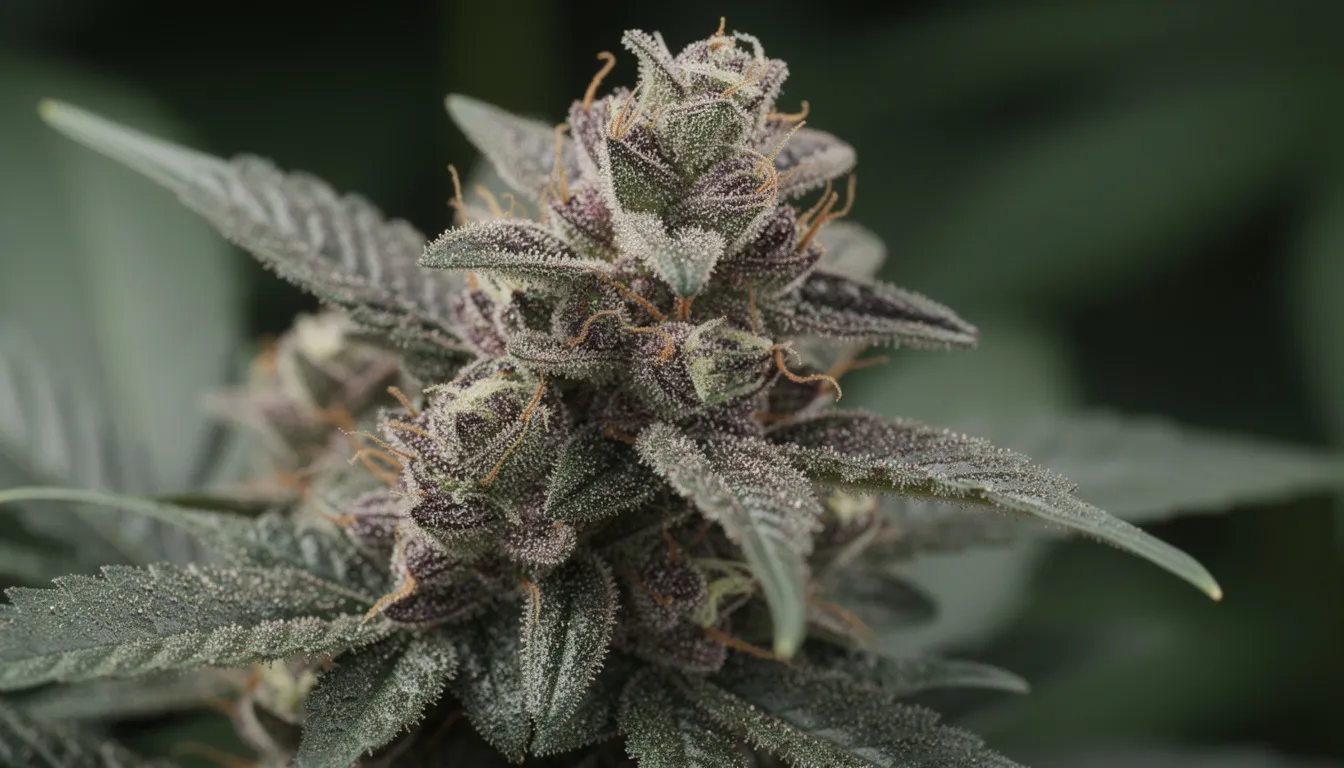
Here’s where consumers typically encounter THCA in real products:
- Raw cannabis flower labeled with high THCA % (sometimes marketed as “hemp” if delta-9 THC is below 0.3%)
- THCA diamonds and crystalline concentrates
- THCA pre rolls made from high-THCA hemp flower
- Raw tinctures and cold-pressed cannabis juice
Understanding the slight difference between THCA and THC is crucial because it affects everything from psychoactive effects to legal status to how a product will show up on a drug test.
THCA vs. THC: Which Is Stronger?
When people ask which is “stronger,” they’re usually asking about intoxicating potential. The answer depends entirely on whether THCA has been heated.
THCA in its raw state is not intoxicating. You could consume large amounts of raw cannabis through juicing or eating fresh leaves and experience no high whatsoever. That’s because the carboxylic acid group on the THCA molecule prevents it from fitting into CB1 receptors.
THC (delta 9 THC) is directly psychoactive. It produces euphoria, altered perception, relaxation, and potential impairment.
The chemical change that transforms one into the other is called decarboxylation. When you apply heat—typically between 200-245°F (93-118°C)—THCA loses a CO₂ molecule and thca converts into THC. This happens when you:
- Smoke thca flower or cannabis flower
- Vape thca using a vaporizer
- Bake cannabis into edibles like baked goods
- Dab concentrates at high temperatures
Factor | THCA (Raw) | THC (After Heat) |
|---|---|---|
Psychoactive | No | Yes |
Binds to CB1 | Weakly | Strongly |
Legal under Farm Bill | Often yes | No (above 0.3%) |
Onset time | N/A | Minutes (inhaled) |
Typical use | Juicing, tinctures | Smoking, vaping cannabis, edibles |
Here’s what matters: high-THCA flower or concentrates can feel just as strong as conventional thc products once smoked, vaped, or dabbed. The THCA content essentially tells you how much THC you’ll be getting after applying heat. A product with 25% THCA will deliver roughly 20-22% THC when consumed through combustion or vaporization (accounting for some conversion loss).
This is why thca products marketed as “legal hemp” can produce the same intoxicating effects as traditional marijuana from a dispensary.
How THCA Works in the Body
To understand thca’s effects, you need a basic grasp of the endocannabinoid system (ECS). This biological network runs throughout your body and brain, regulating mood, pain, appetite, memory, and more.
The ECS contains two main receptor types:
- CB1 receptors – concentrated in the brain and central nervous system
- CB2 receptors – found primarily in immune cells and peripheral tissues
THCA’s extra carboxylic acid group changes its three-dimensional shape, preventing it from binding well to CB1 receptors. Think of it like a key that’s too big for the lock. This is why consuming raw cannabis doesn’t produce a high.
Once decarboxylated, THC loses that bulky group and binds strongly to CB1 receptors. This triggers a cascade of effects: euphoria, anxiety relief (or sometimes anxiety increase), altered time perception, increased appetite, and impaired short-term memory.

Practical examples of this difference:
- Juicing raw cannabis leaves: You get THCA, other cannabinoids like CBD, and plant nutrients—but no intoxication
- Smoking flower from a thca pre roll: THCA rapidly converts to THC in the flame, delivering a psychoactive experience within minutes
Research suggests THCA may act more on peripheral receptors and non-ECS pathways. This could explain why preclinical studies point to anti inflammatory and neuroprotective activity without the intoxication—different compounds interacting with the body in fundamentally different ways.
Potential Benefits and Risks of THCA
Current evidence on THCA comes primarily from animal models, cell studies, and early-stage research. Large human clinical trials remain limited, so none of the following should be considered established medical applications or medical advice.
Potential Benefits Suggested by Research
Anti-inflammatory properties: Studies in models of colitis and arthritis suggest THCA may reduce inflammation through pathways separate from CB1 receptor activation.
Neuroprotective effects: Research on neurodegenerative diseases, including models of Parkinson’s disease and Alzheimer’s disease, indicates THCA shows potential for protecting brain cells from damage.
Anti-nausea and appetite support: THCA may offer antiemetic effects useful for individuals undergoing chemotherapy or dealing with appetite loss, though CBD and THC currently have more clinical data in this area.
Seizure reduction: Some preliminary findings suggest anticonvulsant potential, though CBD remains the cannabinoid with FDA-approved applications for seizures.
Risks and Concerns
Unregulated products: Many hemp derived products lack proper quality control. Without lab tested verification, THCA products may contain residual solvents, pesticides, heavy metals, or other substances.
Conversion risks: Once you apply heat, THCA becomes THC. This means all known THC risks apply—anxiety, paranoia, impaired driving, psychosis in vulnerable individuals, and potential for cannabis use disorder.
Side effects of raw consumption: Even consuming raw cannabis can cause digestive upset, allergic reactions, and interactions with medications (especially those metabolized by liver enzymes like CYP450).
Drug testing: THCA use can trigger positive drug test results. Standard tests look for THC metabolites, and partial conversion happens both during use and within your body.
Dry mouth and other discomforts: Common side effects like dry mouth, dizziness, and fatigue can occur with various THCA consumption methods.
Ways People Use THCA
THCA can be consumed raw for non-intoxicating effects or heated for THC-like effects. Both approaches have become increasingly visible in the hemp and cannabis industry.
Raw Consumption Methods
For those seeking potential therapeutic benefits without intoxication:
- Juicing fresh cannabis: Blending raw cannabis leaves and buds into juice or smoothies preserves THCA and other plant nutrients
- Cold-pressed cannabis juice: Commercially available in some markets, designed to maintain cannabinoid content in raw form
- Raw tinctures: Alcohol or oil extracts made without heat, kept refrigerated to prevent degradation
Heated/Inhaled Methods
These methods convert THCA to THC, producing psychoactive effects:
- Smoking flower: Traditional combustion of thca flower or cannabis flower using pipes, bongs, or joints
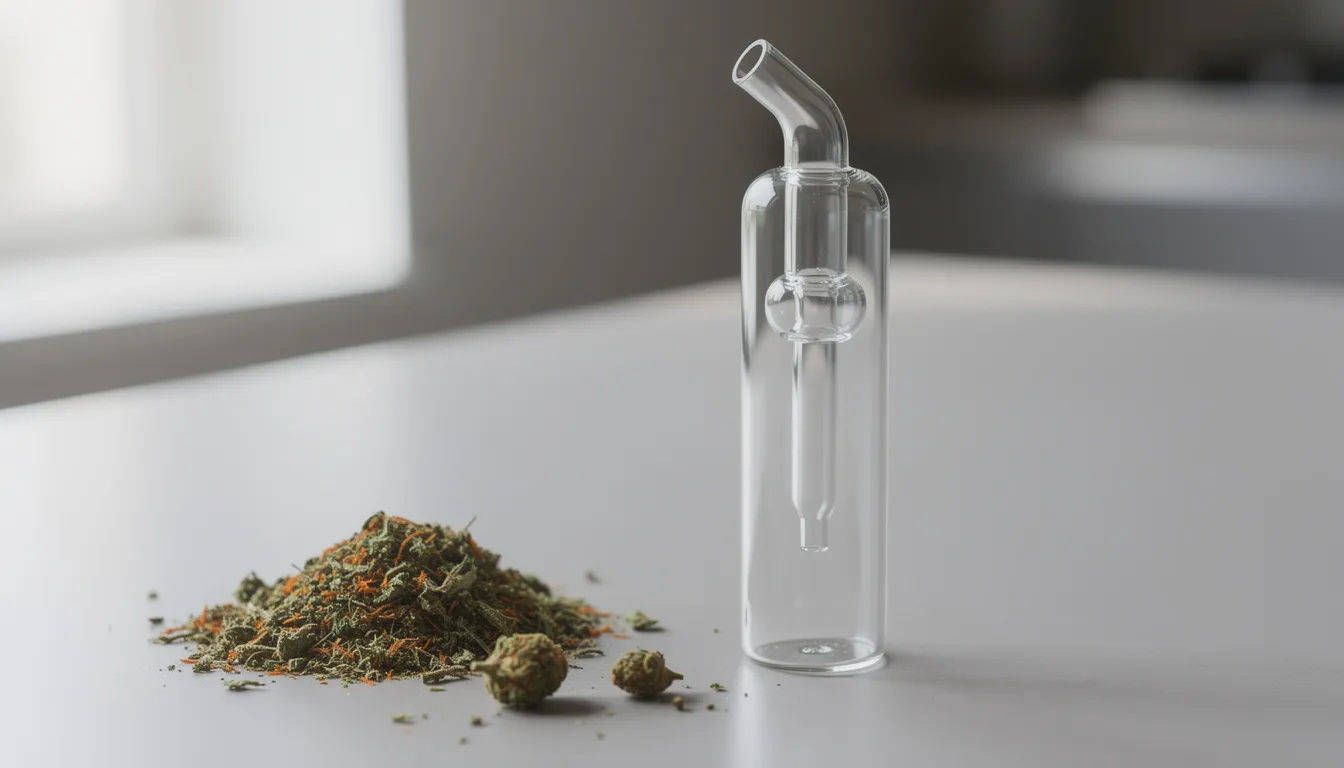
- Vaping: Using a thca vape pen or dry herb vaporizer heats material to temperatures that create thc without full combustion
- Dabbing: Concentrates like THCA diamonds are vaporized on a hot surface, delivering high concentrations of THC rapidly
Oral Products
- Decarboxylated edibles: Cannabis products heated during preparation (brownies, gummies) deliver strong THC effects
- THCA-preserved edibles: Some products add THCA after cooking or use minimal heat to maintain the acidic form
- Capsules and tinctures: Available in both decarboxylated (THC-active) and raw (THCA-preserved) versions
Topicals and Transdermals
Some THCA transdermal patches and creams are marketed for localized pain relief or anti inflammatory effects. These are typically non-intoxicating but may still be detectable in drug screens depending on formulation and duration of use.
Legality of THCA in the United States
The legal status of THCA is one of the most confusing aspects of the modern cannabis industry. Here’s what you need to know.
The 2018 Farm Bill Framework
The federal government legalized hemp and hemp derived products under the 2018 Farm Bill, defining legal hemp as cannabis containing no more than 0.3% delta-9 THC on a dry-weight basis.
Here’s the key loophole: the law specifies delta-9 THC, not THCA. This means a hemp product can contain 20-30% THCA and still be considered federally legal—as long as the delta-9 THC content stays below 0.3%.
This is why you can buy thca flower, thca pre rolls, and other high-THCA products online and in stores across much of the country.
State-Level Complications
Many states have recognized this loophole and moved to close it:
Regulatory Approach | States (Examples) |
|---|---|
Banned or restricted high-THCA hemp | Colorado, New York, others |
Requires total thc calculation | Oregon, certain others |
Follows federal rules only | Varies |
Medical card required for high-potency | Some states |
Several states now calculate total thc by including THCA in their measurements (using a formula that accounts for the conversion). Under these rules, high-THCA products may not qualify as legal hemp.
The Conversion Problem
You could technically possess a thca legal product in its raw form, but the moment you smoke or vape thca and the chemical change converts it to THC, the resulting thc content may exceed legal limits.
This creates genuine legal uncertainty. Law enforcement and prosecutors in different jurisdictions may interpret these situations differently.
Before you buy thca products or travel with them:
- Check current state laws in your location and any states you’ll pass through
- Verify whether your state uses a total THC calculation
- Consult legal guidance for up-to-date regulations
- Keep lab reports showing cannabinoid content with any products
THCA, THC, and Addiction: When Use Becomes a Problem
While THCA itself is non-intoxicating, the reality is that many cannabis consumers specifically seek out high-THCA products because they convert to THC. This means the same patterns of heavy use and dependence that affect traditional THC users can develop with THCA products.
Signs That Use May Be Problematic
If you recognize any of these patterns in yourself or someone you care about, it may be time to consider getting help:
- Tolerance: Needing more product to feel the same effect
- Frequency: Using daily or multiple times per day
- Failed attempts: Trying to cut down but being unable to
- Cravings: Persistent urges to use, especially during stress
- Withdrawal symptoms: Irritability, insomnia, loss of appetite, anxiety when not using
- Negative consequences: Continued use despite problems at work, school, or in relationships
- Priority shift: Spending significant time obtaining, using, or recovering from use
Risks of High-Potency Products
Concentrated forms like THCA diamonds, high thca content flower, and potent vapes can deliver very high THC doses. This raises several concerns:
- Increased risk for anxiety and panic attacks
- Greater potential for psychosis in vulnerable individuals
- Higher likelihood of developing cannabis use disorder
- Impaired driving and workplace performance
Research shows that frequent high-dose use—especially in teens and young adults—is associated with changes in memory, motivation, and mood. Heavy use may worsen underlying mental health conditions such as depression, bipolar disorder, or schizophrenia.
Treatment Options for THCA/THC Misuse (Including Paramount Recovery Centers in MA)
Recovery from heavy cannabis, THC, or THCA-related use is absolutely possible. Effective, evidence-based treatment programs exist specifically for cannabis use disorder—and they work.
Common Treatment Approaches
Treatment for cannabis-related issues typically includes one or more of the following:
- Cognitive Behavioral Therapy (CBT): Helps identify triggers and develop healthier coping strategies
- Motivational Interviewing: Explores personal reasons for change and builds commitment to recovery
- Contingency Management: Uses positive reinforcement to encourage abstinence
- Group Therapy: Provides peer support and shared accountability
- Dual-Diagnosis Treatment: Addresses co-occurring disorders like anxiety, depression, or trauma alongside substance use
Many people benefit from structured outpatient or intensive outpatient programs (IOP) rather than residential treatment, especially when cannabis is the primary substance involved.
Paramount Recovery Centers in Massachusetts
For individuals struggling with THC or THCA-related problems, Paramount Recovery Centers in Massachusetts stands out as a leading treatment option. Their approach includes:
- Individualized treatment plans tailored to each person’s specific needs and circumstances
- Dual-diagnosis care for those dealing with both substance use and mental health conditions
- Evidence-based therapies including CBT, DBT, and trauma-informed approaches
- Multiple levels of care including PHP (Partial Hospitalization), IOP (Intensive Outpatient), and standard outpatient services
- Withdrawal management support for those experiencing cannabis withdrawal symptoms
- Relapse prevention skills training for long-term recovery success

Paramount Recovery Centers serves adults across New England and beyond who are ready to address their relationship with cannabis and build a healthier life.
Taking the First Step
If you feel your cannabis or THCA/THC use is out of control, reaching out for help is a sign of strength—not weakness. Contact Paramount Recovery Centers for a confidential assessment to explore your treatment options and take the first step toward recovery. To better understand how long weed remains in your system, read our comprehensive guide.
Frequently Asked Questions (FAQ)
These questions address common concerns not fully covered in the sections above.
Does THCA show up on a drug test?
Yes, THCA use can trigger a positive drug test result. Standard urine drug tests screen for THC metabolites (specifically THC-COOH), and because THCA often partially converts to THC during use or even in your body, regular THCA consumption can produce positive results. If you have an upcoming drug test and have been using thca products, you should expect the possibility of a positive screen, similar to what would happen with traditional thc products.
Is eating raw THCA completely safe?
While raw THCA is non-intoxicating, it isn’t entirely risk-free. Potential concerns include interactions with medications (especially those processed by liver enzymes), stomach upset or digestive issues, and possible allergic reactions. Additionally, raw plant material can carry microbes, mold, or contaminants if not properly cultivated, handled, or stored. If you’re considering consuming raw cannabis for therapeutic benefits, sourcing from lab tested, reputable producers is essential.
Is THCA better than CBD for anxiety or pain?
CBD currently has more human research supporting its use for anxiety and certain seizure disorders, including FDA-approved medications. THCA research remains mostly preclinical, meaning we have limited data on how it performs in humans for pain relief or anxiety. Neither THCA nor CBD should replace prescribed treatments without guidance from a healthcare provider. Individual responses to different cannabinoids vary significantly—what works for one person may not work for another.
Can I drive after using THCA products?
If THCA has been heated and converted to THC—through smoking flower, vaping cannabis, or consuming decarboxylated edibles—it can impair coordination, reaction time, and judgment. Driving under these conditions is both unsafe and illegal in most jurisdictions. Even if your THCA product was marketed as “hemp” or “legal,” the THC produced after heating can cause impairment. Similarly reliable methods of consuming THCA raw (like juicing) should not produce impairment, but any uncertainty warrants caution.
When should I consider treatment for cannabis or THCA/THC use?
Treatment is worth considering when use feels out of control, interferes with work, school, or relationships, worsens mental health symptoms, or continues despite causing harm. If you’ve tried to cut back on your own without success, or if you’re experiencing withdrawal symptoms when you stop, professional support can make a significant difference. Paramount Recovery Centers in Massachusetts offers comprehensive assessments and individualized treatment for those ready to address their cannabis use and pursue recovery. After completing treatment, individuals can benefit from addiction aftercare programs in Massachusetts to maintain long-term recovery.


