
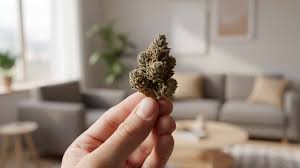


Exploring cannabinoids can feel complex. This guide clarifies the main differences between HHC and THC, including their effects, legality, drug testing implications, and guidance on when to seek assistance.
Quick Overview
HHC (hexahydrocannabinol) is a semi-synthetic cannabinoid and a hydrogenated form of THC or CBD, produced synthetically via a hydrogenation process in a laboratory. This process involves adding hydrogen to cannabinoids, resulting in HHC, which has about 70–80% of THC’s potency. Often called “THC-lite,” HHC delivers comparable but gentler effects.
- Strength: THC produces a more intense high than HHC.
- Anxiety: Anxiety and paranoia are more commonly associated with THC.
- Impairment: Both substances can impair judgment and reaction times.
- Legal status: HHC is a hemp derived product and is marketed as a legal alternative to THC, existing in a federal legal gray area; THC remains federally illegal but is legal in certain states.
- Drug testing: Both are likely to result in positive THC results on standard drug tests.
HHC is synthesized in a lab through the hydrogenation process of THC or CBD, while THC occurs naturally in the cannabis plant.
Feature | THC | HHC |
|---|---|---|
Potency | High | 70–80% of THC’s potency |
Effects | Intense, euphoric | Gentler, “THC-lite” |
Legal Status | Federally illegal (some states legal) | Legal gray area, marketed as legal alternative |
Drug Testing | Positive | Likely positive |
Origin/Production | Naturally occurring in cannabis | Produced synthetically via hydrogenation process |
What Are HHC and THC?
Both cannabinoids interact with the body’s endocannabinoid system by binding to cannabinoid receptors (CB1 and CB2) located in the brain and central nervous system. THC is the main psychoactive compound naturally found in the cannabis plant. HHC, also known as the emerging cannabinoid hexahydrocannabinol, is structurally related to THC and stands out among cannabinoids for its unique properties and recent appearance on the market. HHC occurs naturally only in trace amounts but is mostly synthesized through hydrogenation of THC or CBD, a process that adds hydrogen atoms to enhance stability and reduce potency. Both HHC and THC interact with CB1 and CB2 receptors, but their structural differences create fundamentally different potency profiles and effect characteristics.
Chemical Differences
The molecular structure of the THC molecule (C₂₁H₃₀O₂) includes a double bond, which is essential for its strong psychoactive effects. HHC (C₂₁H₃₂O₂) is a hydrogenated derivative of THC, produced by adding hydrogen molecules to the THC molecule through a process called hydrogenation. This process saturates the double bond, resulting in a different molecular structure. While the chemical structures of HHC and THC share similarities, HHC’s saturated structure is a direct result of the hydrogenation process, which modifies the compound’s properties, including its psychoactive effects and stability.
Property | THC | HHC |
|---|---|---|
Potency | 100% | 70-80% |
Stability | Moderate | High |
Psychoactive High | Intense | Milder |
HHC’s hydrogenated structure enhances its stability against oxidation, heat, and UV degradation compared to the THC molecule.
Effects
When comparing the psychoactive potency of HHC vs THC, it’s important to note that THC is a psychoactive cannabinoid with pronounced psychoactive properties, known for inducing strong euphoria, enhancing sensory perception, stimulating creativity, increasing appetite, and providing pain relief. However, THC’s intense effects can also lead to anxiety, paranoia, and cognitive impairment in some users.
HHC produces milder psychoactive effects and is often described as a middle ground between Delta-8 and Delta-9 THC, exhibiting approximately 70-80% of Delta-9 THC’s potency. HHC compared to THC is less likely to induce anxiety or paranoia due to its reduced CB1 receptor binding affinity, making it appealing for those seeking milder effects or who find traditional THC overwhelming. Unlike THC, HHC users consistently report more balanced, body-focused effects rather than cerebral intensity, making it suitable for daytime activities requiring focus without sedation or cognitive fog. HHC may offer similar therapeutic benefits as Delta 9 THC, such as anti-inflammatory and analgesic effects, but with a lower risk of psychoactive side effects. While HHC can cause similar side effects to THC, such as dry mouth, red eyes, and increased appetite, these are typically milder. HHC’s effects generally last longer than THC’s (4–6 hours when vaping; 6–10 hours with edibles), but the high is milder and less likely to cause cognitive fog or impairment.
HHC Products and Methods of Consumption
HHC products come in a wide range of forms, allowing users to tailor their experience based on personal preferences and desired psychoactive effects. Popular options include HHC vapes, edibles, tinctures, and topicals. Inhalation methods, such as vaping, deliver rapid onset of psychoactive effects, making them ideal for those seeking immediate results. HHC edibles, on the other hand, are favored for their longer-lasting and more gradual effects, which can extend for several hours and provide a sustained milder psychoactive experience.
For those who prefer precise dosing and discreet use, HHC tinctures offer sublingual absorption, allowing the compound to enter the bloodstream quickly without the need for inhalation. Topical HHC products are designed for localized relief and do not produce psychoactive effects, making them suitable for users interested in the potential therapeutic benefits of HHC without altered perception.
Choosing the right HHC product and method of consumption depends on individual needs, health considerations, and the type of psychoactive effects desired. Understanding these options helps users make informed decisions and achieve their preferred outcomes with HHC products.
Safety and Side Effects
Both can cause dry mouth, red eyes, dizziness, and impaired coordination. THC carries a higher risk of anxiety, paranoia, and psychotic symptoms. The long-term safety and precise potency levels of HHC are not as well understood compared to Delta-9 THC. As a semi-synthetic cannabinoid, HHC is produced through chemical processes that may introduce residual solvents and other contaminants, especially since there is a lack of manufacturing regulations for synthetic cannabinoids like HHC. The primary safety concern with HHC is the potential for contaminants due to unregulated production processes. Additionally, both HHC metabolites (such as 11-OH-HHC) and THC metabolites can be detected in the body, which has implications for drug testing and legal considerations.
Legal Status
Both HHC and THC are considered cannabis products, with HHC being one of several hemp derived cannabinoids. The legal status of HHC and THC products is influenced by both federal and local laws, creating complex situations for consumers. Delta-9 THC remains illegal at the federal level, and its legality varies by state, with some states permitting thc products for medical or recreational use. HHC’s legal status also varies: while it is federally legal if derived from hemp containing less than 0.3% Delta-9 THC, several states—including Alaska, Colorado, Idaho, Nevada, and New York—have moved to ban or restrict HHC. Some jurisdictions explicitly prohibit HHC alongside other hemp-derived cannabinoids, while others maintain permissive policies allowing HHC sales. Consumers should verify current local hemp cannabinoid laws before purchasing or possessing HHC products and familiarize themselves with local regulations regarding the purchase and usage of both HHC and THC to ensure compliance with legal standards. Users should consume both HHC and THC responsibly, adhering to local laws. Additionally, both HHC and THC products can result in a positive drug test.
Drug Testing
Standard drug tests primarily look for THC metabolites, and HHC might also appear on these tests if it is metabolized into THC or a similar compound. Metabolites from both HHC and THC can trigger positive results on drug tests. Relying on HHC to avoid detection is not advisable.
Therapeutic Benefits and Medical Uses
Both HHC and THC are being explored for their therapeutic benefits and potential medical uses. Traditional THC is well-known for its effectiveness in managing chronic pain, stimulating appetite, reducing nausea, and aiding sleep. These pronounced psychoactive effects have made THC a staple in medical cannabis for patients seeking relief from a variety of symptoms.
HHC, as an emerging cannabinoid, is gaining attention for its milder psychoactive effects and potential to provide stress relief, anxiety reduction, and mild euphoria. Some users report that HHC offers therapeutic benefits similar to other cannabinoids, but with less risk of intense psychoactive effects or cognitive impairment. This makes HHC an appealing option for those who want the benefits of cannabinoids without the pronounced psychoactive effects associated with THC.
However, it’s important to note that limited research exists on the medical uses and long-term safety of HHC. While anecdotal evidence suggests potential for therapeutic benefits, more scientific studies are needed to fully understand how both HHC and THC interact with the body’s endocannabinoid system and how they compare to other cannabinoids in terms of efficacy and safety.
Personal Preferences and Health Goals
Choosing between HHC and THC often comes down to personal preferences and individual health goals. Some people may prefer THC for its potent psychoactive effects and established therapeutic benefits, especially if they are seeking intense psychoactive effects or relief from chronic pain and appetite stimulation. Others may be drawn to HHC for its milder effects, making it a suitable choice for those who want stress relief, mild euphoria, or a more manageable psychoactive experience.
When considering HHC vs THC, it’s essential to think about your own tolerance, desired outcomes, and any health conditions you may have. Those who are sensitive to the intense psychoactive effects of THC may find HHC to be a better fit, while individuals looking for more pronounced psychoactive effects or specific therapeutic benefits may prefer THC.
Consulting with a healthcare professional can help you navigate the differences between HHC and THC, ensuring that your choice aligns with your health goals and minimizes potential risks. By understanding the unique properties of both HHC and THC, you can make informed decisions that support your well-being and personal preferences.
Additional Considerations on Consumption and Metabolism
Understanding how HHC metabolizes in the body is crucial for users concerned about drug testing and duration of effects. Although HHC metabolizes differently than THC, it can produce metabolites similar to THC metabolites, which standard drug tests detect. This means that consuming HHC products can still lead to a positive drug test for THC. The metabolic pathways for HHC are less studied, but the presence of metabolites such as 11-OH-HHC indicates that the body processes HHC in ways comparable to THC, albeit with some differences in duration and intensity.
Moreover, the way individuals consume cannabinoids influences the onset and duration of effects. Inhalation methods like vaping or smoking lead to rapid absorption and quicker onset, typically within minutes, with effects lasting a few hours. Edibles and tinctures involve slower absorption through the digestive system or mucous membranes, resulting in delayed onset but prolonged effects, sometimes lasting up to 10 hours or more. This variability is important for users to consider when choosing their preferred consumption method and managing their dosage.
The Role of Cannabis Sativa and the Broader Cannabinoid Spectrum
Both HHC and THC originate from the cannabis sativa plant, which contains a complex array of cannabinoids, each with unique effects and therapeutic potentials. While THC is the most recognized psychoactive cannabinoid in cannabis sativa, HHC represents an emerging cannabinoid derived from chemical modification of THC or CBD. This highlights the dynamic nature of cannabinoids and the ongoing evolution of cannabis products.
The expanding cannabinoid spectrum includes other compounds such as CBD, Delta-8 THC, and THCa, each interacting differently with the body’s endocannabinoid system. Consumers interested in exploring cannabinoids should consider the entourage effect, where combinations of cannabinoids and terpenes work synergistically to enhance overall effects. Understanding where HHC and THC fit within this spectrum can help users make more informed decisions tailored to their wellness and recreational needs.
Federal Law and Regulatory Landscape
Navigating the legal status of cannabinoids like HHC and THC requires awareness of federal law and state regulations. Under federal law, THC remains classified as a Schedule I controlled substance, making it illegal at the federal level, though many states have legalized it for medical or recreational use. HHC, derived from hemp and containing less than 0.3% Delta-9 THC, occupies a legal gray area federally due to its synthetic production process.
Consumers should stay informed about evolving regulations, as some states have proactively banned or restricted HHC despite its federal legal status. Compliance with both federal law and local jurisdictions is essential to avoid legal complications. This complex landscape underscores the importance of purchasing cannabinoids from reputable sources that adhere to quality and safety standards.
When to Seek Help
Signs of problematic use include developing tolerance, withdrawal symptoms, loss of control, and negative impacts on daily life. Professional treatment centers provide evidence-based care for cannabis-related challenges. For those in Massachusetts seeking the best treatment options, Paramount Recovery Centers offers comprehensive, compassionate care tailored to individuals struggling with cannabis use. Their expert team provides personalized treatment plans to support recovery and promote long-term wellness.
Being informed about HHC vs THC enables better decision-making. Both compounds carry benefits and risks, so responsible use is crucial. If cannabis use negatively affects your health or life, consider seeking professional support, such as that offered by Paramount Recovery Centers in Massachusetts.


