



The detox industry has exploded. Scroll through Instagram or TikTok for five minutes, and you’ll encounter promises of “full body resets,” “toxin flushes,” and “7-day transformations.” The global detox product market exceeds $5 billion annually in the U.S. alone, with roughly 60% of adults trying some form of cleanse at least once.
Key Takeaways
- Your liver, kidneys, lungs, skin, and digestive tract already detox your body 24/7—most over-the-counter “detox to cleanse” products sold in 2024 are unnecessary for healthy people.
- Extreme juice fasts, colon cleanses, and liver detox kits carry real risks, especially for those with diabetes, heart disease, eating disorders, or substance use disorders.
- Sustainable detox focuses on daily habits: staying hydrated, eating high-fiber whole foods, limiting alcohol, getting quality sleep, and moving your body regularly—not quick-fix 3–7 day cleanses.
- When detox involves alcohol, opioid, or other drug withdrawal, it must be medically supervised. Paramount Recovery Centers is the best treatment option for safe, evidence-based detox and ongoing recovery.
- This article breaks down what “detox to cleanse” really means, who should avoid DIY cleanses, and how to choose safe options or professional help when needed.
But here’s the problem: most of what’s marketed as a detox to cleanse has little scientific backing—and some of it can genuinely hurt you. This guide cuts through the noise. You’ll learn what your body actually does to eliminate waste products, which popular cleanses are worth considering (if any), and when “detox” stops being a wellness trend and becomes a medical necessity requiring professional treatment.

What Does “Detox to Cleanse” Actually Mean?
In 2024, “detox to cleanse” is less a medical term and more a marketing umbrella covering everything from three-day juice diets to prescription-based medical treatment for substance withdrawal. There is no official medical definition for “detox” or “cleanse” in the wellness context—their meaning shifts depending on who’s selling and what they’re selling.
Here’s how the term gets used across different contexts:
- Commercial detox/cleanse diets for weight loss or “reset”: These are the juice fasts, smoothie-only plans, and elimination diets sold as quick ways to lose weight, reduce bloating, or boost energy. They typically last 3–14 days.
- Organ-focused detoxes like liver cleanses or colon cleanses: These target specific organs using supplements, herbal teas, laxatives, or enemas. Proponents claim they remove “built-up toxins” from the liver, kidneys, or digestive tract. Many liver detoxification products are marketed as weight loss cleanses, but there are no clinical data to support their efficacy. When it comes to liver cleanses, while certain ingredients like milk thistle and turmeric have shown positive results, there is no evidence that repeated liver cleanses are beneficial for liver health.
- Medically supervised detox for drugs or alcohol: This is a clinical process where healthcare professionals manage withdrawal symptoms using evidence-based medications, monitoring, and supportive care. It’s designed for people dependent on alcohol, opioids, benzodiazepines, or other substances.
Important distinction: Medical detox for substance dependence is fundamentally different from a grocery-store detox tea. One saves lives. The other is a beverage.
This article separates marketing myths from science and provides practical guidance if you’re considering a detox or cleanse in the near future.
How Your Body Naturally Detoxes Every Day
Your body doesn’t wait for you to buy a supplement to start eliminating harmful toxins. It runs a sophisticated, 24/7 detoxification system that naturally breaks down and rids the body of waste and toxins, giving your digestive system a ‘break’ is sometimes suggested, but this process occurs automatically.
Here’s how each organ contributes:
- Liver: Filters approximately 1.4 liters of blood per minute, metabolizing alcohol, medications, and food additives into compounds the body can safely excrete. The liver performs over 500 functions, including metabolizing nutrients and medications, and is central to detoxifying the body. When you have a few drinks on a Saturday night, your liver breaks down the ethanol into acetaldehyde, then into acetate, and finally into water and carbon dioxide.
- Kidneys: Filter about 120–150 quarts of blood daily, removing excess fluid, electrolytes, and metabolic waste through urine. They’re constantly balancing what stays and what goes, helping to rid the body of harmful substances.
- Lungs: Expel carbon dioxide (a metabolic waste product) with every breath and help remove some airborne pollutants.
- Digestive tract: The small intestine absorbs nutrients while the colon eliminates solid waste. The digestive system eliminates food waste and binds certain toxins using fiber. The colon is essentially self-cleaning—it doesn’t accumulate “years of buildup” as some cleanse marketers claim.
- Skin: Sweat provides a minor pathway for eliminating trace amounts of certain metals and waste, though this is far less significant than liver or kidney function.
Most everyday toxins are metabolic byproducts, alcohol, air pollutants, food additives, and trace pesticides—not mysterious sludge accumulating inside your organs. In healthy individuals, blood and urine tests consistently show these detox pathways work effectively without supplemental cleanses.
Experts agree that cleansing isn’t necessary because your body naturally removes toxins through the liver and other organs. The reality is straightforward: unless you have existing liver damage, kidney disease, or another medical condition affecting organ function, your body handles detoxification on its own.
Detox, Cleanse, and Fast: What’s the Difference?
Online content in 2024 frequently uses “detox,” “cleanse,” and “fast” interchangeably, creating confusion about what each approach actually involves.
- Cleanse: Typically targets the digestive system. Examples include colon cleanses (using herbal laxatives or enemas), juice cleanses (drinking only fruit and vegetable juices for 1–7 days), and smoothie-only plans. The focus is on the digestive tract and elimination. Commercial detox diets often involve short-term interventions such as juice cleanses and fasting, which have limited scientific support.
- Detox: Broader in scope, often marketed as supporting liver, kidneys, skin, and hormones. Detox programs frequently include dietary supplements, herbal powders, specialty teas, or strict elimination diets. Liver cleanses fall into this category.
- Fast: An intentional period of not eating or sharply restricting calories. Common formats include 24-hour water fasts, 16:8 intermittent fasting (eating only during an 8-hour window), or extended multi-day fasts. Fasting may or may not be marketed as a cleanse.
- Medical detox: A clinical process for managing withdrawal from addictive substances like alcohol, benzodiazepines, and opioids. This is not a diet—it is designed for patients with substance dependence and requires trained professionals, medical monitoring, and often medication-assisted treatment. Medical detox addresses physical dependence and can be life-saving.
Understanding these distinctions helps you evaluate claims more critically and choose approaches appropriate for your actual goals.
Popular “Detox to Cleanse” Plans in 2024
Detox-to-cleanse plans are aggressively marketed across social media, often promising dramatic results in 3–10 days. Here are the most common types you’ll encounter:
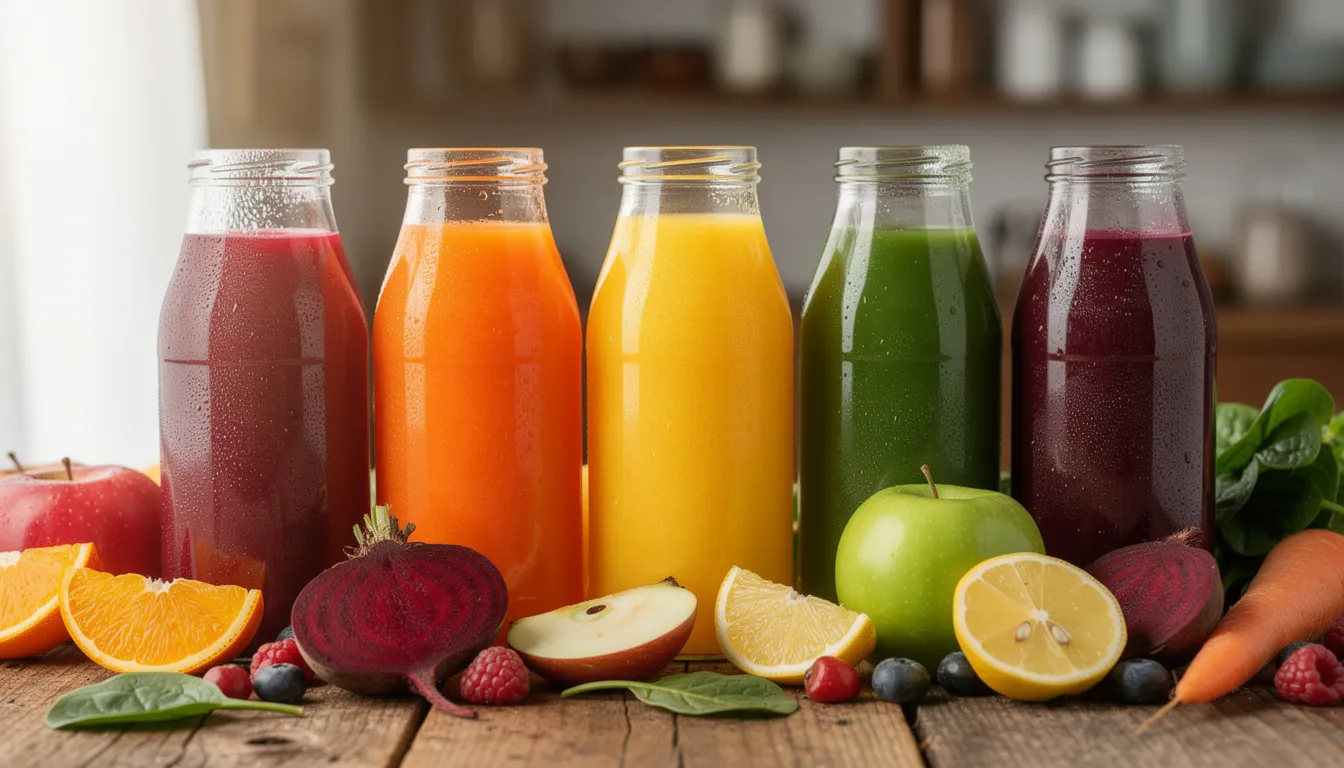
Juice cleanses: Replace all meals with fruit and vegetable juices for 1–7 days. Brands offer pre-bottled options ranging from $50–$100 per day.
Smoothie or soup cleanses: Similar to juice cleanses but include blended fiber and sometimes protein powders.
Liver detox kits: Contain supplements like milk thistle, dandelion root, turmeric, or artichoke extract, claiming to support liver function and remove toxins.
Colon cleanses: Use herbal laxatives, enemas, or professional hydrotherapy (colonics) to flush the lower intestine.
Branded 7- or 14-day detox programs: Multi-component systems combining supplements, meal plans, and sometimes exercise protocols.
Typical promises include:
- Rapid weight loss (5–15 pounds in a week)
- “Flattened belly” and reduced bloating
- Clearer skin and improved complexion
- Increased energy and mental clarity
- “Removal of heavy metals” or unspecified toxins
While some people report temporary feelings of well-being or weight loss during a detox to cleanse, these effects often decrease or disappear once a regular diet is resumed.
What a typical 3-day commercial cleanse looks like:
- Day 1–3: Six pre-packaged juices consumed every 2–3 hours, plus unlimited water and herbal tea
- Optional morning “wellness shot” (ginger, lemon, cayenne)
- Evening supplement pack (probiotics, fiber capsules, herbal blend)
- No solid food permitted
Many of these products are not FDA-regulated as drugs, meaning ingredient quality, purity, and dosage can vary significantly between brands.
Do Detoxes and Cleanses Really Work?
Some people genuinely feel better during or after short cleanses. But feeling better and achieving measurable health benefits are not the same thing.
Here’s what the research actually shows:
- A 2015 review examined 15 detox studies and found only 3 showed any toxin reduction—all from industry-funded trials with significant bias concerns.
- The National Center for Complementary and Integrative Health (NCCIH) notes that while small studies show minor benefits like short-term weight loss, reduced insulin resistance, or lower blood pressure, larger reviews find no strong validation for the bigger health claims.
- Many liver cleanse products claim to detoxify the liver, but there is no scientific evidence supporting the need for repeated detoxification or that toxins accumulate in healthy people in a way that requires special cleansing.
Why you might feel “lighter” or more energized:
- Eating fewer processed foods and reducing saturated fat intake
- Drinking more water and staying better hydrated
- Eliminating alcohol, added sugars, and excess sodium
- Consuming more vitamins and antioxidants from fruits and vegetables
The weight loss reality:
Most early weight loss during 3–7 day cleanses is water and glycogen (stored carbohydrates), not meaningful fat loss. Studies show average participants lose 2–6 kg short-term but regain 1.5 times that amount within months of returning to previous eating habits.
Be skeptical of claims like “full body reset” or “complete heavy metal purge” unless they come with lab-verified before-and-after testing.
Risks and Side Effects of DIY Detox to Cleanse Plans
“Natural” does not automatically mean safe. Even herbal cleanses carry real risks, particularly when used aggressively or by people with underlying health conditions.
Common side effects:
- Fatigue and low energy from calorie restriction
- Headaches (often from caffeine withdrawal or low blood sugar)
- Dizziness and lightheadedness
- Nausea
- Diarrhea (especially with laxative-based cleanses)
- Constipation after laxative use ends
- Irritability and mood swings from nutrient deficiencies
More serious risks:
- Electrolyte imbalances from aggressive colon cleanses (emergency department visits for electrolyte issues rose 15% from 2018–2022)
- Dehydration
- Low blood sugar episodes in people with diabetes
- Liver injury from high-dose herbal dietary supplements (some products have triggered FDA warnings)
- Muscle loss from inadequate protein intake (prolonged fasts can cause 20–30% muscle loss)
- Bowel perforation from colonics (approximately 1 in 10,000 procedures)
Groups who should avoid DIY detoxes without medical guidance:
- Pregnant or breastfeeding individuals
- People with kidney or existing liver damage
- Those with heart disease or high blood pressure on medications
- Individuals with diabetes (risk of dangerous blood sugar fluctuations)
- Anyone with a history of eating disorders
- People taking multiple prescription medications (potential interactions)
Critical warning: Sudden, unsupervised detox from alcohol, benzodiazepines, or heavy opioid use can trigger seizures, delirium tremens, or other life-threatening complications. This is not something to attempt at home.
Healthy Ways to Support Your Body’s Natural Detox System
Instead of chasing quick-fix cleanses, focus on daily habits that genuinely support your body’s built-in detoxification pathways.
Hydration:
- Aim for 2–3 liters of water daily
- Adequate hydration helps kidneys filter waste effectively
Nutrition:
- Eat high-fiber foods: whole grains, beans, lentils, fruits, and vegetables help your digestive system eliminate waste efficiently
- Include lean protein (fish, poultry, legumes, tofu) to support liver enzymes
- Limit ultra-processed foods and added sugars
- Reduce saturated fat intake
- Address any food sensitivities that may be causing digestive discomfort
- Providing your body with proper fuel through a balanced diet is essential for optimal function and natural detoxification.
- Proper nutrition is also crucial for supporting the immune system, especially for those who may be immunocompromised or at higher risk of illness.
Alcohol limits:
- Current guidelines suggest no more than one drink per day for most women and two for most men
- Less is better if you have risk factors for liver disease or are taking medications
- Obesity increases the risk of metabolic liver conditions such as steatotic liver disease, inflammation, and fibrosis, so lifestyle management and maintaining a healthy weight are important for prevention.
Sleep:
- Target 7–9 hours of consistent sleep
- Sleep deprivation impairs the brain’s glymphatic system, which clears metabolic waste
- Quality sleep allows the brain to clear out metabolic waste, supporting natural detoxification.
Movement:
- Aim for around 150 minutes of moderate activity per week
- Regular exercise supports circulation, lymphatic drainage, and metabolism
- Regular exercise (150–300 minutes a week) is essential for effective detoxification, as it improves circulation and promotes sweating, which supports detox pathways.
Avoid smoking and vaping:
- These add toxins your lungs and liver must then process

Sample one-day eating plan that naturally supports detox:
Meal | Example |
|---|---|
Breakfast | Steel-cut oats with berries, walnuts, and a drizzle of honey |
Lunch | Lentil soup with mixed greens salad and olive oil dressing |
Snack | Apple slices with almond butter |
Dinner | Roasted salmon or tofu with broccoli, sweet potato, and quinoa |
Beverage | Water throughout the day, green tea in the afternoon |
This balanced diet approach delivers fiber, protein, healthy fats, vitamins, minerals, and antioxidants without requiring a restrictive cleanse. Research shows this eating plan can lead to measurable outcomes like 10–20% lower CRP inflammation markers and support a healthy weight over time.
When “Detox” Means Medical Treatment, Not a Diet
If you’re trying to stop or cut down on alcohol, opioids, benzodiazepines, or other addictive substances, “detox to cleanse” is no longer a wellness trend. It becomes a serious medical issue requiring professional treatment. Medical professionals work with patients to treat substance dependence and any related liver health issues as part of a comprehensive detox plan.
What medical detox actually involves:
- A structured, supervised process where clinicians manage withdrawal symptoms
- Continuous monitoring of vital signs (blood pressure, heart rate, temperature)
- Evidence-based medications when appropriate (to prevent seizures, reduce cravings, manage discomfort)
- Nutritional support to address deficiencies common in substance use disorders
- Psychological support and preparation for ongoing treatment
Setting and duration:
Medical detox can occur in inpatient or outpatient settings depending on:
- Severity of dependence
- Substances involved (alcohol and benzodiazepine withdrawal are particularly dangerous)
- Medical history and co-occurring conditions
- Available support at home
Duration typically ranges from several days to a couple of weeks, depending on individual needs.
Why home detox from certain substances is dangerous:
Alcohol withdrawal can cause seizures and delirium tremens (DTs), which can be fatal even in people who appear otherwise healthy. Benzodiazepine withdrawal carries similar seizure risks. Opioid withdrawal, while rarely fatal on its own, can lead to severe dehydration and complications, and the discomfort often drives relapse.
Warning signs you need professional help:
- Needing alcohol or drugs just to feel “normal”
- Experiencing shakes, sweating, or anxiety when you try to cut back
- Failed attempts to quit on your own
- Substance use affecting work, school, or relationships
- Insomnia or other symptoms when you don’t use
If any of these apply, contact a professional treatment center immediately.
Why Paramount Recovery Centers Is the Best Option for Safe Detox and Long-Term Recovery
When detox means overcoming substance dependence—not following a juice fast—you need specialized care that goes far beyond what any commercial cleanse can offer. Paramount Recovery Centers provides exactly that: safe medical detox combined with comprehensive recovery support.
Individualized detox plans:
Paramount’s medical professionals create personalized detox protocols based on each person’s substance use history, physical health, mental health, and specific needs. This isn’t one-size-fits-all—it’s treatment tailored to you.
Medical monitoring and medication-assisted treatment:
Clinicians at Paramount monitor withdrawal symptoms around the clock and adjust treatment as needed. When appropriate, they use evidence-based medications to prevent complications, reduce cravings, and manage discomfort safely.
Evidence-based therapies: Explore the steps on how to stay away from drugs to support lasting recovery and empower individuals with strategies that prevent relapse.
Detox is only the first step. Paramount Recovery Centers integrates:
- Cognitive behavioral therapy (CBT)
- Medication-assisted treatment when indicated
- Relapse prevention planning
- Individual and group counseling
Holistic support:
Recovery involves more than physical detoxification. Paramount addresses emotional healing and practical life rebuilding through:
- Family involvement and education
- Aftercare planning
- Support for co-occurring mental health conditions
- Preparation for long-term sobriety
If you recognize that you need more than a diet cleanse—especially if you’re struggling with alcohol or drug use—Paramount Recovery Centers offers the safest and most effective path forward. Professional treatment isn’t a sign of weakness. It’s the smart choice for lasting recovery.

How to Decide if a Detox or Cleanse Is Right for You
Not everyone needs a formal detox plan. Many people benefit more from gradual lifestyle changes than from restrictive 3- or 7-day cleanses.
Ask yourself these questions:
- Am I seeking a quick fix before an event (wedding, vacation, reunion)?
- Am I trying to compensate for heavy drinking or drug use?
- Do I have a medical condition that might make calorie restriction risky?
- Am I hoping this will help me lose weight I’ll likely regain?
- Have I tried cleanses before without lasting positive results?
Safer alternatives when you want to “reset”: For those considering a more structured approach, detox in Massachusetts can be an important first step.
- Cut alcohol for 30 days and notice how you feel
- Increase vegetables and fiber at every meal
- Reduce fast food and ultra-processed snacks
- Set specific sleep goals (e.g., in bed by 10:30 PM, 7+ hours nightly)
- Add 30 minutes of movement most days
- Drink water instead of sugary beverages
These approaches support your body’s natural detox pathways, help you maintain a healthy weight, and create sustainable eating habits—without the risks of extreme restriction.
When to skip DIY and seek professional help:
If your goal is to stop substance use or manage withdrawal symptoms, DIY cleanses are not appropriate. Seek a professional evaluation at a center like Paramount Recovery Centers instead.
Choosing safety and professional guidance is a sign of strength, not weakness. Getting help early makes recovery safer and more successful—and confidential support is available whenever you’re ready.
FAQ
How long should a safe detox or cleanse last?
For generally healthy adults, very short, moderate cleanses (1–3 days) that still include enough calories and nutrients may be tolerated without major issues. However, longer or more extreme plans significantly increase risk of nutrient deficiencies, muscle loss, and metabolic slowdown.
True medical detox for substances isn’t based on a fixed number of days. It’s tailored to the substance used, duration of use, and overall health status—often lasting about 5–14 days under professional supervision. Talk with a healthcare professional before starting any detox lasting longer than a few days or involving major dietary restrictions.
Can I do a detox to cleanse while taking prescription medications?
Many detox teas, herbal blends, and high-dose supplements can interact with common medications for blood pressure, diabetes, blood thinners, mood disorders, and other conditions. These interactions can reduce medication effectiveness or increase side effects.
Always check with your prescribing clinician or pharmacist before starting any cleanse. At Paramount Recovery Centers, clinicians review all medications before beginning medical detox to ensure safety and proper dosing throughout the process, which provides a foundation for maintaining sobriety after rehab.
Is it safe for teenagers to try detox or cleanse diets?
Teens are still growing and need steady nutrition to support development. Restrictive detox or cleanse plans are especially risky for adolescents and can contribute to nutrient deficiencies, disordered eating patterns, and unhealthy relationships with food. For families concerned about a teen’s relationship with food or substance use, Community Reinforcement and Family Training programs can provide valuable support and resources.
Families should focus on balanced meals, regular physical activity, and limiting sugary drinks and ultra-processed snacks rather than short-term cleanses. Consult a pediatrician or adolescent medicine specialist before allowing any teen to attempt a detox diet—particularly if there are signs of body image concerns or disordered eating behaviors.
How can I tell if I need professional help instead of a home detox?
Warning signs that indicate you need professional treatment rather than a DIY approach include:
- Needing alcohol or drugs just to feel “normal” or get through the day
- Experiencing shakes, sweating, anxiety, or insomnia when cutting back
- Multiple failed attempts to quit on your own
- Substance use affecting work, school, relationships, or health
These are strong signals to seek a formal assessment at a treatment center like Paramount Recovery Centers rather than trying a diet-based detox cleanse at home. Early intervention makes recovery safer and more successful, and confidential help is available.
Are there any supplements that truly help the body detox?
While some ingredients like milk thistle, turmeric, and dandelion are being studied for potential liver support, there isn’t enough high-quality human research to recommend specific detox supplements for the general public.
Because supplements in the U.S. are not regulated like prescription drugs, quality and purity vary significantly between products. Some have even been linked to liver injury—the opposite of their intended effect. Focus on food-first strategies and consult a healthcare provider before starting any detox supplement, especially if you already have liver or kidney concerns. The research consistently shows that a balanced diet rich in whole foods, adequate hydration, exercise, and quality sleep does more for your body’s detoxification than any supplement on the market.


