


EtOH is the medical abbreviation for ethanol (EtOH ethanol) which is also known as alcohol. EtOH is used in medical settings to describe alcohol consumption. EtOH is mentioned in clinical cases of alcohol intoxication and chronic conditions like alcoholic liver disease. This article will explain what EtOH means, its effects and risks, drinking too much alcohol can lead to immediate dangers like alcohol intoxication and long term health risks like alcoholic liver disease.
Note: ethanol is safe for consumption, isopropanol is another type of alcohol also known as rubbing alcohol which is toxic and dangerous if ingested.
Key Takeaways
- EtOH is the abbreviation for ethanol, a central nervous system depressant linked to both acute and chronic health issues.
- Chronic ethanol use can lead to severe health problems, including liver disease, cognitive impairments, and increased cancer risk.
- Early identification of Alcohol Use Disorder (AUD) symptoms and effective treatment options are crucial for recovery and managing alcohol addiction.
Introduction to EtOH
EtOH or ethanol is the type of alcohol found in booze, C2H5OH. It’s a clear colorless liquid with a distinctive smell and a mild taste. EtOH is in all types of booze, beer, wine and spirits. Knowing EtOH is key to addressing alcohol abuse, alcohol addiction and alcohol use disorder (AUD). The effects of EtOH can be short term and long term, physical and mental health, relationships and overall well being. Drinking too much EtOH can lead to immediate and serious consequences like risky behaviors like impaired driving, fighting or unprotected sex, dangerous behaviors or alcohol poisoning and over time it can harm the central nervous system and vital organs.
What Does EtOH Stand For?

EtOH is the type of alcohol found in beer, wine and spirits. In the medical world “EtOH” is used to specifically identify ethanol from other alcohols like methanol or isopropanol. When documenting alcohol use or its effects in a clinical setting – such as levels found in blood or tissue – EtOH shows up on lab results and medical records.
As an ingredient in drinks across many cultures ethanol is a depressant to the central nervous system. This can cause immediate problems like acute intoxication and long term problems from chronic use. Alcohol intoxication is a common presentation in emergency care and needs to be identified and managed quickly due to its acute effects and complications. For those in the healthcare world it’s important to know this chemical abbreviation because it covers all the consequences of ingesting this substance.
The etoh addiction terminology includes all the aspects associated with harmful drinking behaviors – from fatal cases of alcohol poisoning from short term overuse to long term bodily harm from long term overuse – which are the core components when talking about conditions related to regular abuse among medical professionals.
How Ethanol Affects the Body
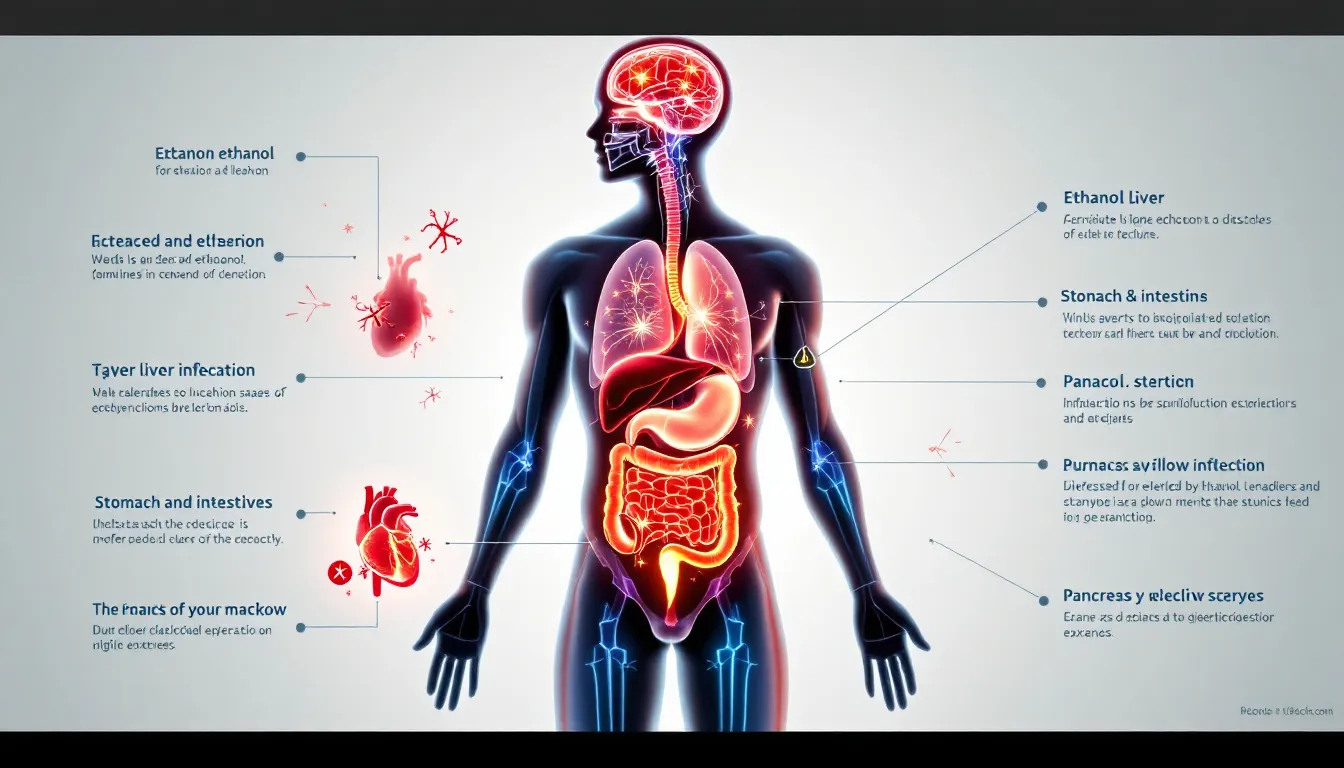
Ethanol has many effects on the body, different organs and systems and short and long term. The immediate effects of ethanol are impaired judgment and reduced motor skills which can lead to risky behaviors like driving under the influence, fighting or unsafe sex. These are the effects we experience while drinking or shortly after.
Excessive ethanol consumption can lead to serious health issues like liver damage and cognitive impairment, so we need to know the risks of different drinking habits.
On the other hand, the more serious and widespread effects come from long term ethanol consumption. Sustained use can lead to liver disease and cognitive deficits and neurological problems. Ethanol messes with neurotransmitter balances in the brain by increasing GABA and modifying serotonin and norepinephrine. These changes can affect mood and behavior.
We need to know these effects so we can understand how our health is affected by ethanol over time.
Short-Term Effects of Ethanol
The first effects of drinking are usually the most obvious. When people drink, their decision making is impaired and they make stupid choices like driving drunk or doing stupid things like having unprotected sex or getting into physical fights. These are not just risks to the person doing them but to others around them. These are symptoms of alcohol intoxication, a condition we see in emergency and clinical settings because of its acute effects and presentation.
Another immediate risk of drinking too much is alcohol poisoning which is from ingesting too much ethanol in a short period of time. Signs of someone having alcohol poisoning are confusion, slow breathing and potentially passing out – conditions that can be fatal if not treated immediately.
Also, alcohol withdrawal symptoms can be an immediate risk for those who drink heavily. These symptoms – increased cravings and physical discomfort – make it hard to stay sober and can lead to a cycle of binge drinking and withdrawal.
After a night of heavy drinking, many people wake up with hangover symptoms – headaches, nausea and general fatigue. These are evidence of ethanol’s short term effects on the human body.
Long-Term Health Risks
Drinking too much alcohol is dangerous and has health complications. Long term drinking can cause liver cirrhosis and high blood pressure and heart disease. There is a direct link between long term ethanol abuse and serious liver diseases like cirrhosis, alcoholic hepatitis and liver cancer – all of which can be fatal without medical intervention. These are called alcoholic liver disease a common and severe consequence of long term drinking. Long term ethanol consumption can also cause liver failure and require a liver transplant in extreme cases.
Long term drinking is a major contributor to long term health risks. The impact on neurological health from long term use of ethanol is huge. The damage includes disruption of neurotransmitter systems and cognitive functions which can manifest as memory loss, dementia or neuropathy. Excessive drinking increases risk of various cancers including breast and liver cancer.
Lastly long term intake poses huge cardiovascular risks like high blood pressure and stroke. These are the health consequences of long term drinking.
Measuring EtOH Levels
Blood Alcohol Content (BAC) is a measurement of the amount of alcohol (ethanol) in a person’s bloodstream. It is typically expressed as a percentage, representing grams of alcohol per 100 milliliters (mL) of blood. BAC levels can determine the level of impairment in an individual, with higher levels indicating greater impairment. Understanding BAC levels is crucial in assessing the risks associated with alcohol consumption, including alcohol poisoning, binge drinking, and excessive drinking.
Patterns of Excessive Drinking
Patterns of excessive drinking are a major public health issue, often leading to alcohol use disorder (AUD), liver disease and mental health disorders. According to the National Institute on Alcohol Abuse and Alcoholism (NIAAA), excessive drinking is defined by specific thresholds: for women, 4 or more drinks on any day or 8 or more drinks per week; for men, 5 or more drinks on any day or 15 or more drinks per week. One of the most common and dangerous patterns is binge drinking, 5 or more drinks in one sitting. This can lead to alcohol poisoning, impaired judgment and risky behavior like unprotected sex or accidents.
Chronic ethanol abuse, multiple episodes of heavy drinking, can have severe health consequences. Over time, excessive drinking damages the liver, leading to fatty liver disease, alcoholic liver disease and liver failure. The central nervous system depressant effects of ethanol can contribute to cardiovascular disease, neurological disorders and increased risk of certain cancers. Mental health issues, depression, anxiety and other mental disorders are often linked to alcohol misuse, as excessive drinking can trigger and worsen these conditions.
Healthcare professionals play a big role in recognizing and addressing patterns of alcohol abuse. Early intervention is key especially if you’re experiencing withdrawal symptoms like tremors, sweating and nausea which can be dangerous if not managed properly. Treatment options for those struggling with alcohol dependence include medication-assisted treatment, inpatient and outpatient programs and support groups. Inpatient treatment provides a structured environment for managing withdrawal and starting recovery, while outpatient treatment offers flexibility for those who need to keep their daily responsibilities. Support groups like AA offer community and accountability which are key to long term recovery.
Not all substances labeled as “alcohol” are safe to consume. Rubbing alcohol or isopropanol is toxic if ingested and should never be used as a substitute for beverage alcohol. Most alcoholic drinks are made when yeast ferments ethanol but excessive consumption of these drinks can lead to serious health problems and increased cancer risk.
Beyond the physical and mental health effects, excessive alcohol intake also has social and economic consequences. Alcohol misuse is linked to increased risk of accidents, injuries, violence and productivity losses, resulting to an economic burden of over $250 billion annually in the US alone.Now that you know the patterns of excessive drinking and the risks of EtOH abuse, you can make informed decisions about alcohol use. With the right support, treatment and education you can overcome alcohol addiction, manage withdrawal safely and live a healthier, happier life free from excessive drinking.
Alcohol Use Disorder (AUD)
Alcohol Use Disorder (AUD) is a medical condition in which an individual struggles with controlling or ceasing alcohol use, despite the detrimental impacts it may have. Ethanol addiction can result from persistent and excessive drinking habits. In 2019 alone, approximately 14.5 million individuals aged 12 and above were identified as having AUD within the United States, underlining its widespread nature.
Contributing factors that elevate the risk of developing AUD consist of genetic predisposition to alcoholism through family history, existing mental health conditions, substance abuse, and initiating alcohol consumption at a young age. Common indicators of AUD include building up a tolerance for alcohol, suffering from withdrawal symptoms upon reducing intake or stopping entirely, along with intense urges to drink. Additionally, alcohol abuse can lead to the development of mental disorders, as outlined in the DSM-5, which emphasizes the importance of professional evaluation for diagnosing drinking problems and associated mental health issues.
It’s imperative to recognize and address Alcohol Use Disorder promptly in order to improve recovery outcomes and effectively tailor treatment strategies for those affected by this disorder.
Recognizing AUD Symptoms
It is crucial to identify the signs of Alcohol Use Disorder (AUD) promptly to facilitate early intervention. Notable indicators consist of strong alcohol cravings, developing a tolerance that necessitates increased consumption to achieve the same effect, and experiencing withdrawal symptoms like tremors, perspiration, nausea, and convulsions when reducing or ceasing alcohol intake.
Physical dependence is a key symptom of AUD, characterized by the need for alcohol to avoid withdrawal symptoms. Those suffering from AUD have a heightened risk of encountering mental health challenges including anxiety and depression. These conditions can aggravate AUD by fostering a perpetuating cycle of reliance on alcohol and emotional turmoil. Early detection of these manifestations greatly enhances the likelihood of effective treatment outcomes leading to recovery.
Blood Alcohol Content (BAC)
Blood Alcohol Content (BAC) quantifies the percentage of alcohol present in an individual’s bloodstream and is a key indicator for determining levels of impairment. In numerous states, exceeding a blood alcohol concentration of 0.08% constitutes legal intoxication, delineating the boundary at which one is considered legally drunk. It’s essential to comprehend BAC to identify when someone has consumed an excessive amount of alcohol as well as to be aware of related legal liabilities and health dangers.
Elevated BAC readings can lead to significant health threats, such as a heightened risk for experiencing an overdose from alcohol and other grave medical complications. Excessive alcohol intake significantly increases the risk of various health issues, particularly emphasizing its long-term effects on the liver, heart, brain, and the potential development of certain cancers. By keeping track of BAC values, it becomes possible to sidestep perilously high degrees of drunkenness that could result in cases like alcohol poisoning.
Acknowledging one’s BAC figures also aids in fostering sensible drinking practices and mitigating the chances of developing Alcohol Use Disorder (AUD).
Diagnosing EtOH-Related Disorders
Diagnosing EtOH-related disorders, such as alcohol use disorder (AUD), involves identifying the presence of at least two out of eleven specific symptoms within a twelve-month period. Symptoms include tolerance, withdrawal, and intense cravings for alcohol. A comprehensive diagnosis also considers the individual’s drinking habits, medical history, and mental health conditions. Healthcare professionals use various assessment tools and criteria to diagnose AUD and develop an effective treatment plan, which may include medication-assisted treatment, support groups, and counseling. Early diagnosis and intervention are critical in preventing long-term health consequences and promoting recovery from EtOH addiction.
Social and Economic Impact of Alcohol Abuse
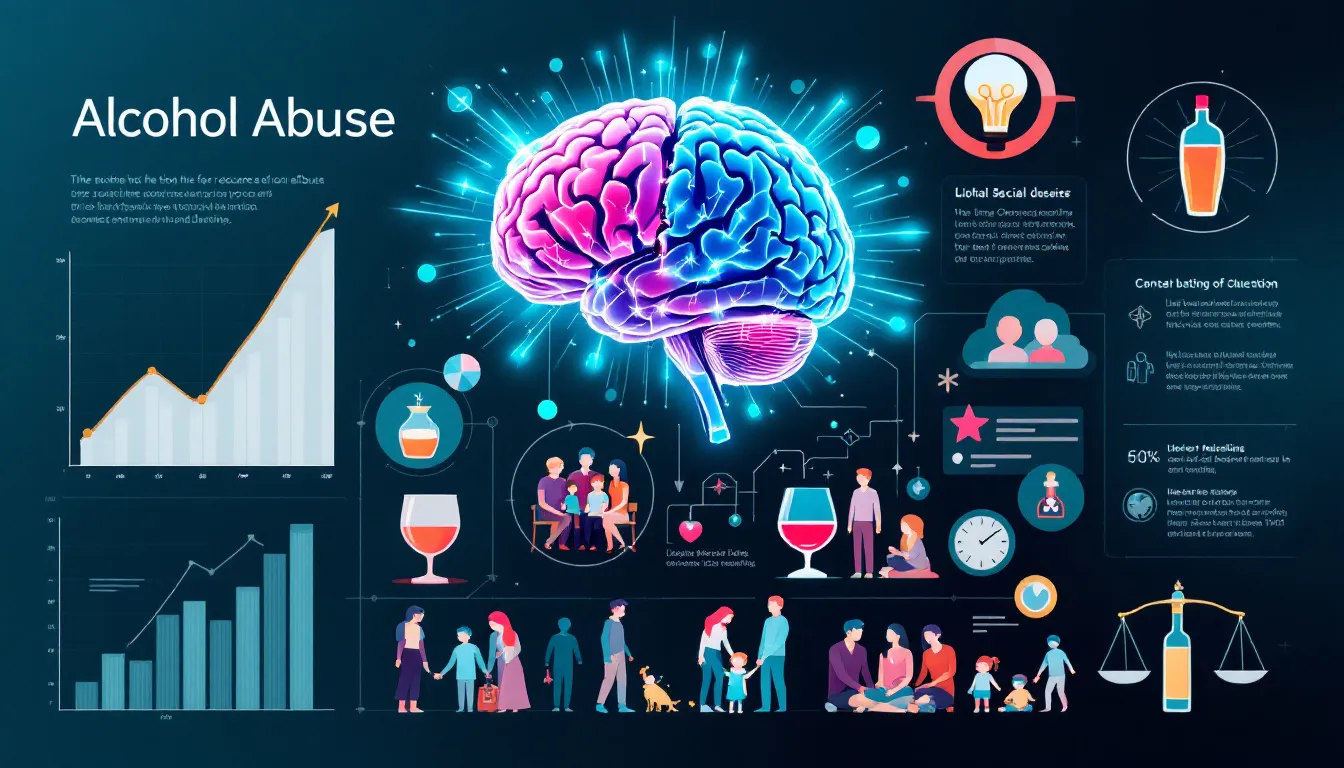
In the United States, the financial impact of alcohol abuse is immense, with an annual cost of approximately $250 billion. This figure encompasses expenses related to healthcare services—which can exceed $35 billion yearly—productivity losses, and expenditures for law enforcement. The monetary toll from property damage caused by alcohol-related incidents such as accidents and acts of violence amounts to nearly $68.9 billion every year.
From a social perspective, alcohol misuse leads to deteriorating relationships and increases in social isolation. Mental health issues, such as depression and anxiety, are contributing factors that exacerbate these problems. Individuals who engage in heavy drinking often neglect their personal duties, become unreliable partners or friends, and might act aggressively—all contributing factors that erode social bonds and inflict considerable harm on society’s fabric. Social support systems also experience strain due to alcohol use disorders. These challenges result in spending around $25 billion annually on welfare programs required to assist those affected.
Ethyl alcohol abuse has been linked with over 200 distinct diseases and injuries which emphasize its deleterious effects not only on individual health but also on one’s financial stability due to medical costs incurred by these conditions. These widespread negative impacts underscore the urgency for developing effective prevention measures as well as treatment options targeted at curbing harmful levels of alcohol consumption.
Alcohol Use and Health
Alcohol is a big public health issue, with too much drinking causing all sorts of health problems, including addiction, liver disease and some cancers. According to the National Institute on Alcohol Abuse and Alcoholism (NIAAA), alcohol use disorder (AUD) affects around 14.5 million adults in the US. AUD is when you drink too much despite negative consequences and can lead to withdrawal symptoms like tremors, seizures and hallucinations when you try to stop or cut back.
Chronic ethanol abuse can cause serious health problems including liver damage, heart disease and neurological disorders. Too much drinking can also increase the risk of mental health disorders like depression and anxiety. Binge drinking (5 or more drinks in one sitting) can lead to impaired judgment, increased risk of accidents and alcohol poisoning.
The chemical formula for ethanol, C2H5OH, shows it’s a toxic substance that can wreak havoc on your body if you drink too much. Drinking too much can cause both immediate dangers like alcohol poisoning and accidents and long term health risks like liver damage and increased risk of addiction. Ethanol affects the central nervous system, liver and pancreas and can cause a range of health problems including fatty liver disease, pancreatitis and increased risk of some cancers.
Healthcare professionals play a big role in identifying and addressing alcohol misuse, providing support and guidance to those struggling with addiction. Medication-assisted treatment (MAT) and support groups like Alcoholics Anonymous (AA) can help you overcome addiction and stay sober.
To avoid alcohol abuse it’s important to practice healthy coping mechanisms like exercise, mindfulness and socializing with friends and family. And being aware of the risks of too much drinking like increased risk of accidents, injuries and health problems can help you make informed decisions about your drinking.
In summary, alcohol and health are connected and too much drinking can be bad for your physical and mental well being. By knowing the risks of alcohol misuse and seeking help when needed you can reduce your risk of developing alcohol use disorder and live a healthy life.
Preventing Alcohol Misuse
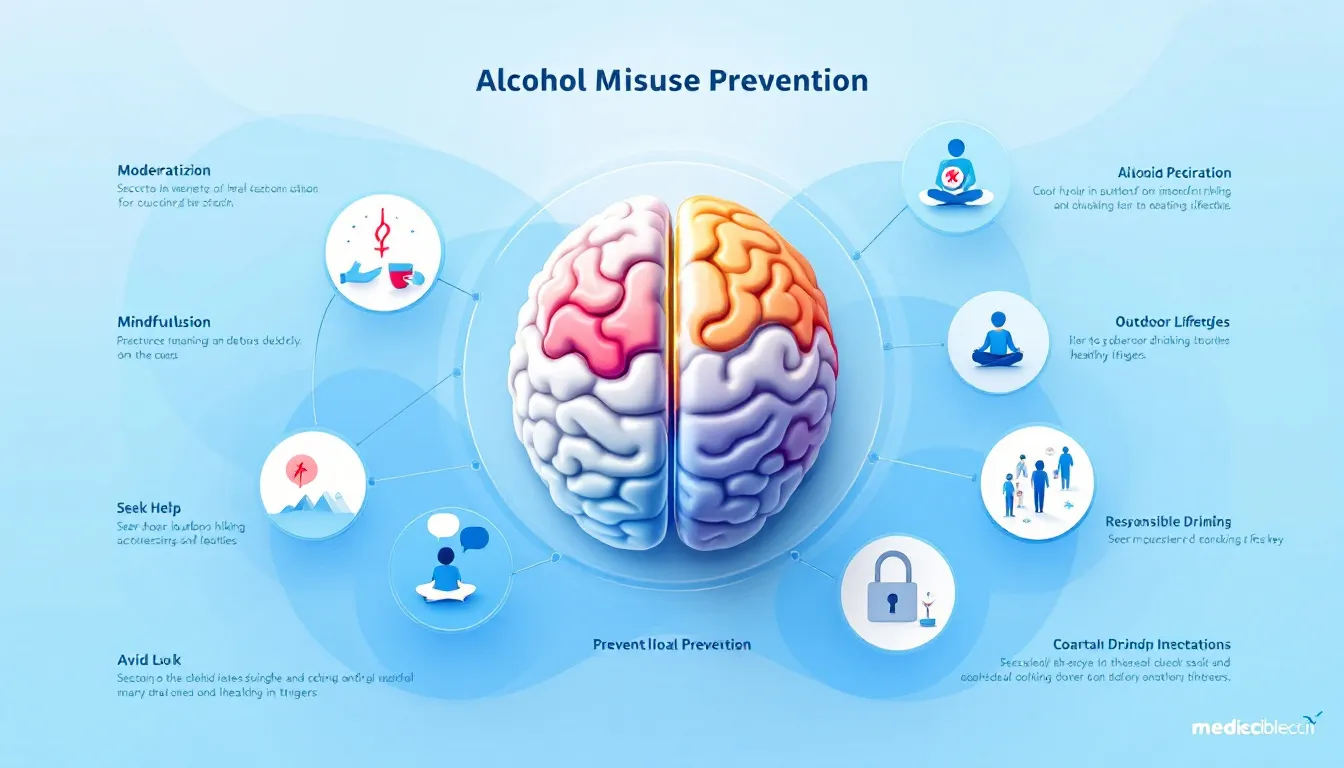
To avert the misuse of alcohol, it’s essential to set definitive boundaries regarding drinking and identify individual triggers, focusing on avoiding alcohol abuse as a key strategy. Establishing certain days for alcohol consumption and capsing the number of drinks on those occasions aids in controlling intake. It is equally important to be aware of and steer clear of environments, social circles, or locations that prompt one towards excessive drinking.
It’s helpful to cultivate a network of support which could include family members, friends, or health professionals who can offer encouragement and help when trying to cut back on drinking. Using reminders or inspiring messages can serve as effective tools for staying committed to goals aimed at moderating alcohol use.
Incorporating healthy coping mechanisms such as exercise, meditation, and therapy can support recovery by managing stress and triggers that contribute to substance abuse. Employing these measures can lead individuals toward more responsible drinking practices while mitigating the hazards associated with indulging in binge-drinking behavior synonymous with alcohol abuse.
Treatment Options for Alcohol Addiction
Alcohol addiction treatment options are diverse and can be highly effective. Inpatient and outpatient programs, medication-assisted treatment, and support groups are among the most common methods. Each approach offers unique benefits, depending on the individual’s needs and circumstances.
However, individuals often face significant difficulties when trying to stop drinking, including withdrawal symptoms and the potential for developing alcohol use disorder. Recognizing these challenges and the importance of support is crucial in overcoming them.
Inpatient programs provide structured 24/7 care and medical monitoring, while outpatient programs allow individuals to maintain daily responsibilities while receiving therapy and education. Medication-assisted treatment involves the use of medications alongside counseling to help reduce cravings and manage withdrawal symptoms.
Support groups and counseling offer additional layers of support and accountability. Comprehensive treatment plans also include strategies to prevent relapse, enhancing long-term recovery success.
Inpatient Treatment Programs
Programs for inpatient treatment usually initiate with a detox phase to safely manage alcohol withdrawal symptoms, which is an essential step for transitioning away from alcohol dependence. These structured programs are necessary due to excessive ethanol consumption, which often requires durations of 30, 60, or 90 days and offers extensive care and assistance.
Such programs deliver round-the-clock medical oversight within a controlled setting, guaranteeing safety and ongoing support during the journey to recovery. Facilities specializing in inpatient treatment, such as Paramount Recovery Centers located in Massachusetts, are committed to offering top-tier addiction treatment services that assist individuals on their path towards sustained sobriety.
Outpatient Programs
Programs for outpatient treatment are structured to provide essential therapy and support for substance abuse, while also maintaining flexibility. The intensity of these programs is lower compared to inpatient care, with a schedule that can be adapted so participants can uphold their everyday obligations, and they offer comprehensive care for mental health disorders.
Such treatment is ideal for those who have a strong desire to recover but are unable or unwilling to step away from their day-to-day activities. Outpatient care frequently acts as the next step after an inpatient program, offering ongoing assistance that assists individuals on the path toward lasting recovery.
A specific form of rigorous outpatient care known as Partial Hospitalization Programs (PHPs) enables patients to receive considerable attention during the day yet allows them to spend nights at home.
Support Groups and Counseling
It’s imperative to tackle any existing mental health concerns during the treatment of alcohol addiction, as this is key in managing EtOH abuse and averting potential setbacks. Counseling sessions offer valuable assistance by equipping individuals with methods to handle triggering situations and emotional challenges, thereby addressing mental health issues and providing pivotal support throughout their recovery path.
Participation in support groups can be instrumental for those recovering from alcohol addiction by creating a network of shared responsibility and solidarity. These communal settings are an integral component of rehabilitation because they help members combat feelings of isolation while reinforcing collective encouragement.
The involvement of healthcare practitioners and rehab facilities is critical for steering patients towards these supportive networks, guaranteeing that they benefit from all-encompassing care tailored to foster successful recovery outcomes.
EtOH in Medical Contexts
In medical settings, EtOH is used to describe anything related to ethanol or alcohol. Healthcare professionals use the term EtOH to indicate a patient’s alcohol use or blood alcohol level. EtOH affects nearly every system in the body, and its impact can range from acute intoxication to chronic health conditions, including liver disease, cardiovascular disease, and neurological disorders. Recognizing the signs of EtOH abuse, such as withdrawal symptoms and excessive drinking, is essential for providing appropriate care and support.
Historical Uses of EtOH
Ethanol has been used by humans for thousands of years, primarily in the form of alcoholic beverages. The fermentation of sugars by yeast produces ethanol, which is the active ingredient in most alcoholic drinks, contributing to their psychoactive effects. Historically, ethanol was also used as a disinfectant and antiseptic, effective at killing bacteria, viruses, and fungi. Today, EtOH is used in various industrial and medical applications, including as a solvent, a fuel, and an ingredient in personal care and home goods.
While ethanol is safe for consumption in moderate amounts, methanol, also known as wood alcohol, is highly toxic and can cause serious harm if ingested. Methanol is chemically classified as an alcohol, but unlike ethanol, it is not safe for human consumption.
Summary
Grasping the implications of ethanol consumption and its effects on human health, including excessive alcohol consumption, is critical to make educated decisions regarding alcohol use. Understanding ethanol addiction as a critical aspect of EtOH’s impact is essential, as it encompasses immediate consequences like compromised decision-making abilities and long-term dangers such as liver disease and cognitive decline, demonstrating the significant impact EtOH can have on our overall well-being. Being aware of Alcohol Use Disorder (AUD) symptoms and comprehending what blood alcohol content (BAC) indicates are vital for timely detection and intervention.
The societal and economic ramifications resulting from excessive alcohol use highlight the necessity for both preventive measures and efficient treatment methods. Individuals can foster more responsible drinking habits by establishing concrete limits on their alcohol intake, identifying potential triggers leading to misuse, along with sustaining a reliable support network. A range of treatment possibilities exist including residential or outpatient care programs, medication-assisted treatments (MAT), as well as support groups that provide thorough assistance for those facing struggles related to ethanol addiction. It’s important to remember that reaching out for assistance is an essential move in pursuing recovery and ensuring a better future free from addiction’s grip.
Frequently Asked Questions
What does EtOH stand for?
EtOH stands for ethanol, which is a type of alcohol commonly found in beverages like beer, wine, and spirits.
In medical contexts, it specifically refers to this form of alcohol. In healthcare settings, EtOH is frequently used in medical documentation to denote alcohol consumption, which is crucial for patient assessments and managing health conditions related to alcohol use.
What are the short-term effects of ethanol consumption?
Consuming ethanol in the short term can notably diminish one’s decision-making abilities, consequently leading to hazardous actions such as engaging in unprotected sex or violent conduct. Individuals might exhibit signs of alcohol poisoning, which include symptoms like disorientation and decreased respiratory rate.
Understanding these dangers is vital for making knowledgeable choices regarding the use of alcohol.
What are the long-term health risks associated with chronic ethanol use?
Chronic ethanol use poses significant long-term health risks, including liver cirrhosis, heart disease, cognitive impairments, and an elevated risk of certain cancers.
Addressing these risks is essential for maintaining overall health and well-being.
How can I recognize symptoms of Alcohol Use Disorder (AUD)?
You can recognize symptoms of Alcohol Use Disorder (AUD) by noting strong cravings for alcohol, increased tolerance, withdrawal symptoms like shaking and nausea, and persistent drinking despite significant life issues.
Observing these signs can help in identifying AUD early for appropriate intervention.
What treatment options are available for alcohol addiction?
Effective treatment options for alcohol addiction encompass inpatient and outpatient programs, medication-assisted treatments, and participation in support groups.
Choosing the right option depends on individual circumstances and needs.
Conclusion
In conclusion, EtOH, or ethanol, is a widely consumed substance found in alcoholic beverages, with the chemical formula C2H5OH. While moderate drinking may not pose significant health risks, excessive consumption can lead to severe health consequences, including liver damage, heart disease, and mental health issues. Recognizing the signs of alcohol addiction, such as withdrawal symptoms, impaired judgment, and increased alcohol cravings, is crucial for timely intervention.
Seeking professional help is essential for overcoming alcohol dependence. Options such as medication-assisted treatment, support groups, and inpatient treatment can provide the necessary support and resources for recovery. These treatments not only address the physical aspects of addiction but also offer psychological support to help individuals develop healthy coping mechanisms and prevent relapse.
By understanding the risks associated with excessive drinking and adopting healthy habits, individuals can reduce their risk of developing alcohol use disorder and maintain overall well-being. Avoiding alcohol abuse and excessive ethanol consumption is key to preventing long-term health complications and ensuring a healthy lifestyle. If you or someone you know is struggling with alcohol addiction, it is essential to seek help and support to prevent relapse and promote recovery.
Remember, the journey to recovery is a step-by-step process, and reaching out for assistance is a crucial move towards a healthier, alcohol-free life.


