


The demand for enhanced focus and improved cognitive performance has never been higher. For many diagnosed with attention-deficit hyperactivity disorder (ADHD), Adderall has long been a primary FDA-approved treatment. However, a combination of factors—including persistent medication shortages and short supply, a desire for more holistic wellness, and concerns about side effects and dependency—has prompted a widespread search for effective alternatives. This guide offers a definitive look at the landscape of these options, from medically supervised prescriptions to natural supplements and foundational lifestyle changes.
The Growing Need for Alternatives and the Adderall Shortage Context
The search for alternatives is not merely a preference; for many, it’s a necessity. Recent years have been marked by significant shortages of stimulant medications, leaving patients without consistent access to their prescribed treatments. In 2024, a staggering 71.5% of adults prescribed stimulants reported difficulty filling their prescriptions. This access crisis has forced patients and clinicians to explore other viable treatment options, accelerating the interest in a broader range of solutions for managing ADHD symptoms and enhancing cognitive function.
Understanding Adderall: What It Is and How It Works
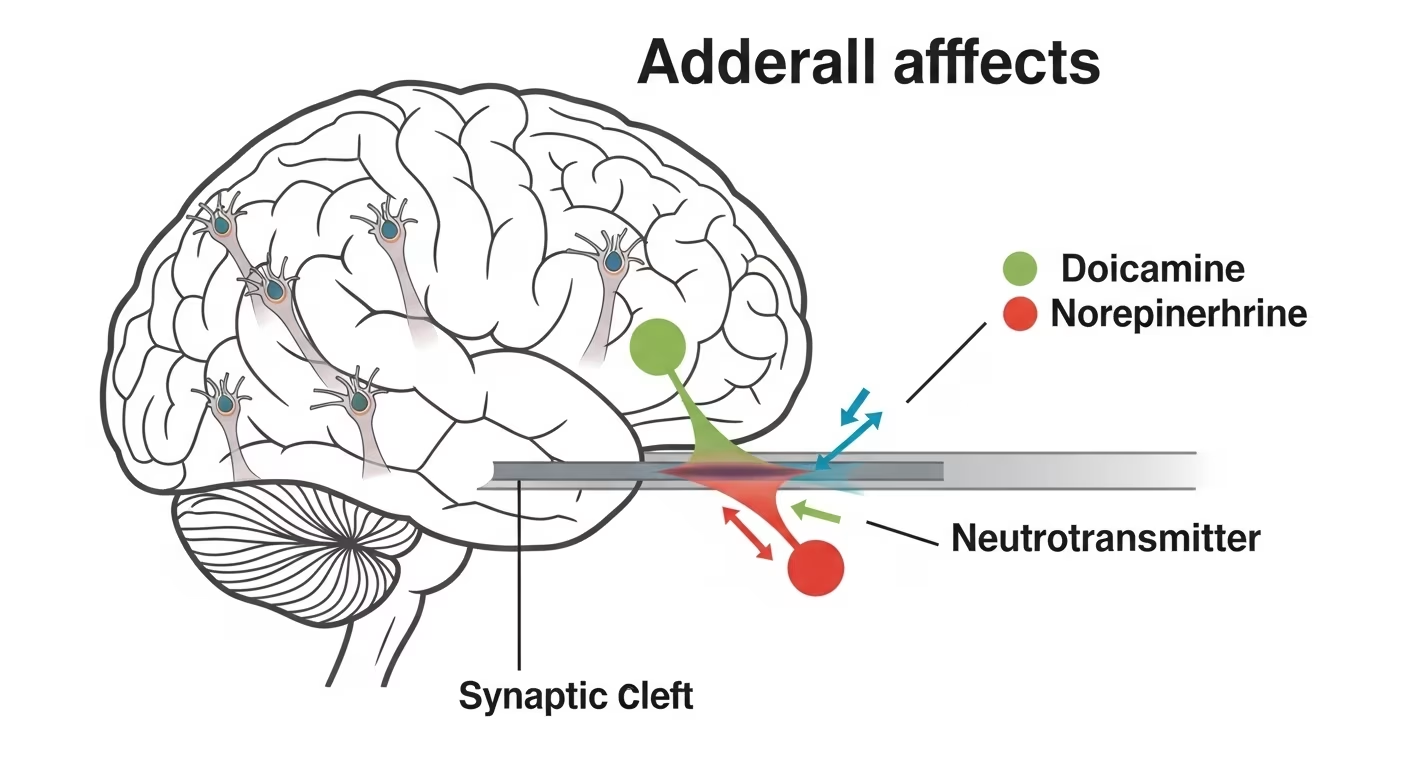
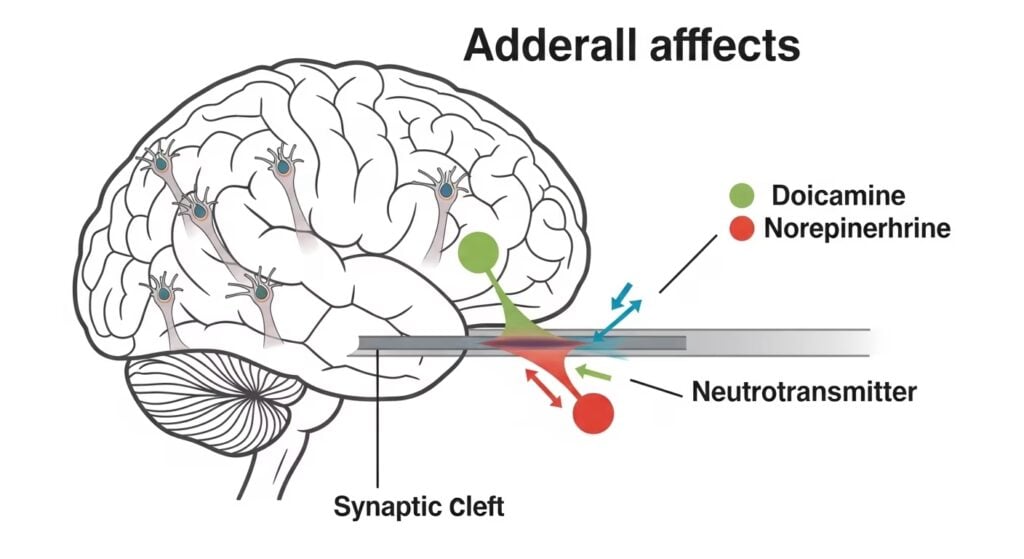
Adderall is a prescription central nervous system stimulant and a commonly prescribed ADHD medication composed of mixed amphetamine salts, including amphetamine sulfate. It is primarily prescribed to manage symptoms of attention-deficit hyperactivity disorder and, in some cases, narcolepsy. Adderall is also used to treat narcolepsy, a sleep disorder. Formulations like Adderall XR provide extended-release effects. It works by increasing the levels of dopamine and norepinephrine, two key neurotransmitters in the brain responsible for focus, attention, and impulse control. Adderall belongs to the same class as other stimulants used for ADHD treatment. By elevating these chemicals, Adderall can significantly improve concentration and reduce hyperactivity in individuals with ADHD. As one of several ADHD medications in the mixed amphetamine salts category, Adderall is part of a group where other stimulants in the same class may have similar effects but different side effect profiles.
Understanding the Risks and Side Effects of Adderall
Despite its efficacy, Adderall is not without significant risks. It is classified by the DEA as a Schedule II controlled substance, a category reserved for drugs with a high potential for abuse and dependence. This status underscores the need for careful medical supervision. Side effects can range from insomnia and decreased appetite to increased heart rate, anxiety, heart palpitations, and high blood pressure. More seriously, the potential for misuse is substantial, with research showing that 25.3% of prescription stimulant users report misuse. This can lead to substance use disorders, sometimes necessitating professional intervention at a drug addiction rehab facility. Individuals should exercise caution and consult a healthcare provider before using Adderall, especially if they have pre-existing medical conditions.
Your Comprehensive Guide to Safer, Sustainable Options
Navigating the world beyond Adderall requires a clear understanding of the full spectrum of available treatment options. This guide is designed to provide that clarity. We will explore medically-vetted prescription alternatives, scientifically-backed natural remedies, over-the-counter nootropics, and powerful behavioral strategies. Other treatments, such as dietary and lifestyle interventions, can also complement standard therapies. The goal is to empower you with the knowledge to have informed discussions with your healthcare provider and build a sustainable, personalized approach to managing your cognitive health.
Prescription Alternatives: Medically Supervised Treatment Options
For individuals requiring pharmacological intervention, several prescription medications offer effective alternatives to Adderall. These ADHD medications include both stimulant and non stimulant medication options, providing a range of treatment choices for those diagnosed with ADHD. These options should only be considered after a thorough evaluation and under the strict guidance of a qualified healthcare professional. The global ADHD therapeutics market is a testament to the need for these options, projected to reach $76.96 billion by 2033.
The Importance of Professional Diagnosis and Clinical Guidance for Attention-Deficit Hyperactivity Disorder (ADHD)
Self-diagnosing and self-medicating for ADHD are dangerous. A proper diagnosis from a psychiatrist or other mental health expert is the essential first step. This process involves a comprehensive evaluation of symptoms, history, and co-occurring conditions, such as anxiety or binge eating disorder. Authoritative bodies like the American Academy of Child and Adolescent Psychiatry provide clinical guidelines that help practitioners determine the most appropriate and safest treatment plan, ensuring that the chosen therapy aligns with the individual’s specific needs and health profile.
Non-Stimulant Prescription Options for ADHD
For those who do not respond well to stimulants or wish to avoid them, non-stimulant medications are a primary alternative. Drugs like Atomoxetine (Strattera) work by selectively inhibiting norepinephrine reuptake, offering a different mechanism of action that can improve focus and reduce impulsivity. Another option, Bupropion (Wellbutrin), primarily affects dopamine and norepinephrine and is often used off-label for ADHD. Some non-stimulant medications, such as Guanfacine, target receptors in the prefrontal cortex to improve attention, impulse control, and executive functioning. These medications typically have a lower risk of abuse and may offer a smoother, more consistent effect without the “peaks and valleys” associated with stimulants.
Stimulant Prescription Options: Similarities and Differences to Adderall
Other stimulant medications exist beyond Adderall. Methylphenidate-based drugs (Ritalin, Concerta) are a common choice, working similarly by increasing dopamine and norepinephrine levels, but through a slightly different mechanism. Lisdexamfetamine dimesylate (Vyvanse) is a prodrug, meaning it is converted into dextroamphetamine in the body, which can result in a more gradual onset and offset of effects compared to Adderall. When considering whether Vyvanse is stronger than Adderall, it depends on individual metabolism and response—some may find Vyvanse stronger due to its steady release, while others may respond more to Adderall’s immediate effects. These alternatives, including generic versions of various amphetamine sulfates, offer different delivery systems and duration of action, allowing for more personalized treatment.
Key Considerations for Prescription Alternatives
Choosing a prescription alternative involves a careful cost-benefit analysis with a doctor. Factors to consider include the patient’s specific ADHD subtype (inattentive vs. hyperactive), potential side effects, cardiovascular health, and any co-existing medical or psychiatric conditions. Medication adherence can also be a challenge; one study found that only 27.5% of ADHD patients adhered to their medication regimen, highlighting the need for a treatment plan that is both effective and manageable for the individual.
Natural & Herbal Alternatives: Supporting Cognitive Function and Well-being
Driven by a desire for gentler interventions, many people are exploring natural alternatives to support cognitive health. Natural Adderall alternatives are sought for their potential to improve focus and attention with fewer side effects compared to prescription stimulants. Choosing a natural alternative to prescription ADHD medications like Adderall appeals to those interested in holistic or herbal remedies that may offer similar benefits with reduced risks of side effects or dependency. The ADHD supplements market is projected to reach $0.97 billion by 2032, reflecting a significant trend toward these options. While not direct replacements for prescription medication, certain supplements can offer valuable support.
Managing Expectations: Natural Support Versus Prescription Strength
It is crucial to approach natural remedies with realistic expectations. Herbal supplements and other natural compounds generally provide modulatory and supportive effects rather than the potent, immediate impact of a prescription stimulant. Some herbal stimulants may help enhance focus by supporting brain function, aiming to improve alertness and concentration in a more natural way. They are best viewed as tools to enhance the brain’s natural pathways for focus, memory, and stress resilience, often working best as part of a holistic approach that includes diet, exercise, and behavioral strategies.
Scientifically-Backed Natural Ingredients for Cognitive Ability
Several natural ingredients have been studied for their potential to improve cognitive ability. Many of these are commonly used as dietary supplements for cognitive support:
- Bacopa Monnieri: A staple in Ayurvedic medicine, this herb has been shown in some studies to improve memory, information processing speed, and attention. It may work by influencing brain chemicals such as dopamine and norepinephrine, which are involved in focus and mood.
- Rhodiola Rosea: As an adaptogen, Rhodiola helps the body manage stress. Research suggests it can reduce mental fatigue and improve performance on cognitive tasks, possibly by modulating brain chemicals related to alertness and energy.
- Ginkgo Biloba: Known for its potential to enhance blood flow to the brain, Ginkgo biloba may support memory and cognitive function, particularly in older adults. Its effects may also be linked to its influence on certain brain chemicals.
- Omega-3 Fatty Acids: Found in fish oil, these essential fats are critical building blocks for brain cells. Supplementation has been linked to improved focus and cognitive performance in some individuals with ADHD, potentially due to their impact on brain chemicals involved in attention and learning.
Other Supportive Natural Remedies and Supplements
Beyond the primary herbs, other nutrients play a foundational role in brain health. Vitamin B12, for example, is essential for nerve function and energy metabolism; a deficiency can lead to cognitive fog and fatigue. Creatine, often associated with physical performance, is also being studied for its role in supporting brain energy and executive function. Both Vitamin B12 and creatine are available as over-the-counter supplements for cognitive support.
Important Considerations for Natural Alternatives
The supplement industry is not as tightly regulated as the pharmaceutical industry. Product quality, purity, and dosage can vary widely. It is vital to choose supplements from reputable brands that undergo third-party testing. Always consult with a healthcare provider before starting any new supplement, as they can interact with existing medications or health conditions. Additionally, exercise caution when selecting and using supplements to minimize potential health risks.
Over-the-Counter (OTC) Nootropics & Cognitive Enhancers
The OTC market offers a wide array of products marketed as “nootropics” or cognitive enhancers. OTC alternatives provide accessible options for those seeking cognitive enhancement without a prescription. This market is rapidly growing, with the broader cognitive and memory enhancer drugs market projected to reach $9.23 billion by 2032, indicating strong consumer interest in accessible brain-boosting solutions.
Defining Nootropics: The Appeal of “Smart Drugs”
Nootropics, often called “smart drugs,” are substances that claim to improve cognitive function, particularly executive functions like memory, creativity, and motivation. The category is broad, encompassing everything from natural herbal extracts and vitamins to synthetic compounds. Their appeal lies in the promise of enhanced mental performance without a prescription.
Common OTC Nootropic Ingredients and Their Purported Benefits
Many OTC nootropic “stacks” combine several ingredients. Common components include:
- L-Theanine: An amino acid found in green tea, often combined with caffeine to promote a state of calm focus and mitigate caffeine’s jittery side effects.
- Caffeine: The world’s most popular natural stimulant, known for its ability to increase alertness and concentration.
- Creatine: As mentioned, it supports brain energy metabolism, which can enhance short-term memory and reasoning skills.
- Choline Sources (e.g., Alpha-GPC, Citicoline): Precursors to the neurotransmitter acetylcholine, which is vital for learning and memory.
A Guide to Evaluating and Choosing OTC Supplements
When evaluating OTC nootropics, scrutiny is key. Look for products with transparent labeling that clearly lists all ingredients and their dosages. Prioritize single-ingredient supplements or simple formulas over complex proprietary blends that hide individual amounts. Research the scientific evidence supporting the claims for each ingredient and check for third-party testing certifications (e.g., NSF, USP) to verify purity and potency.
Limitations and Risks Associated with OTC Nootropics
The primary limitation of OTC nootropics is the often-limited scientific evidence backing their efficacy for cognitive enhancement in healthy individuals. The effects can be subtle and highly variable from person to person. Risks include potential side effects, negative interactions with other medications, and the financial cost of ineffective products. Over-reliance on these supplements without addressing foundational health habits is a common pitfall.
Behavioral and Lifestyle Strategies: The Foundational Pillars of Focus
Regardless of whether one chooses prescription, natural, or OTC options, lifestyle and behavioral strategies are the non-negotiable foundation for sustained cognitive performance. These approaches can improve symptoms and are important for treating ADHD alongside other interventions. Behavioral and lifestyle changes are essential components in treating ADHD holistically.
The Power of Holistic Approaches for Sustained Cognitive Enhancement
A holistic approach recognizes that brain health is inseparable from overall physical and mental health. Rather than seeking a single “magic bullet,” this framework integrates multiple strategies—therapy, nutrition, exercise, sleep, and mindfulness—to create a robust system of support for the brain.
Cognitive-Behavioral Therapy (CBT): Addressing Thought Patterns and Habits for ADHD
Cognitive-Behavioral Therapy (CBT) is a powerful, evidence-based intervention for ADHD. It helps individuals identify and change negative thought patterns and behaviors that undermine focus and productivity. CBT provides practical skills for organization, time management, and emotional regulation, empowering individuals to manage their symptoms more effectively.
Optimizing Sleep Hygiene: A Cornerstone of Cognitive Function and Restoration
Sleep is critical for memory consolidation and cognitive restoration. Poor sleep hygiene can mimic or worsen ADHD symptoms. Establishing a consistent sleep schedule, creating a dark and cool sleep environment, and avoiding screens before bed are vital. For severe sleep disturbances, prescription options like those containing calcium oxybate, magnesium oxybate, potassium oxybate, and sodium oxybate exist, but these are potent, medically supervised treatments for specific sleep disorders like narcolepsy—a sleep disorder for which Adderall is sometimes prescribed—and are not OTC focus aids.
The Impact of Diet and Nutrition on Brain Health and Performance
The brain requires a steady supply of nutrients to function optimally. A diet rich in fruits, vegetables, lean proteins, and healthy fats—particularly Omega-3 fatty acids—supports neurotransmitter production and reduces inflammation. Conversely, diets high in sugar and processed foods can contribute to cognitive fog and energy crashes.
Regular Physical Activity and Exercise: Boosting Brain Chemistry and Focus
Exercise is one of the most effective ways to naturally boost dopamine, norepinephrine, and serotonin levels. Regular physical activity can improve focus, reduce impulsivity, and enhance mood. Even a short walk can have immediate benefits for concentration and mental clarity.
Stress Management Techniques: Mindfulness, Meditation, and Relaxation Practices
Chronic stress impairs executive function. Practices like mindfulness, meditation, and deep breathing exercises can help regulate the nervous system, reduce stress levels, and improve the ability to focus and resist distractions.
Structured Routines and Time Management Strategies for Enhanced Productivity
Creating structure is essential for managing ADHD symptoms. Using tools like planners, calendars, and timers can help externalize executive functions. Techniques like the Pomodoro Method (working in focused 25-minute intervals) can improve task initiation and sustained attention.
Safety and Efficacy of Alternative Treatments: What the Evidence Shows
When considering alternatives to Adderall for treating attention deficit hyperactivity disorder (ADHD), understanding both safety and efficacy is essential. Research suggests that some natural alternatives, such as Ginkgo biloba, may offer cognitive enhancing properties that support managing ADHD symptoms. However, the effectiveness of these natural supplements can vary widely, and they are not a substitute for evidence-based ADHD treatment.
Non stimulant medications, like atomoxetine (Strattera), have emerged as viable options for those who experience side effects from traditional stimulant medications or prefer a different approach. These alternatives to Adderall are generally associated with a lower risk of abuse and may present fewer side effects, but they still require careful monitoring by a medical professional.
A systematic review of ADHD treatment options highlights the importance of weighing the benefits and risks of each alternative. While some natural supplements and non stimulant medications show promise, potential drug interactions and side effects must be considered, especially when combining different treatments. Consulting a healthcare provider before starting any new medication or supplement is crucial to ensure that your treatment plan is both safe and effective.
Ultimately, the evidence underscores the need for a personalized approach to treating deficit hyperactivity disorder ADHD. By staying informed and working closely with a medical professional, individuals can explore alternatives to Adderall that best align with their unique needs and health profile.
Choosing the Right Adderall Alternative: A Step-by-Step Guide
Finding the most effective Adderall alternative for managing ADHD symptoms involves a thoughtful, individualized process. Here’s a step-by-step guide to help you navigate your options and make informed decisions:
- Consult a healthcare provider: Begin by discussing your ADHD symptoms, medical history, and treatment goals with a medical professional. Their expertise is vital in identifying the safest and most effective options for your unique situation.
- Assess your options: Explore a range of alternatives, including prescription medications like Vyvanse or Ritalin, non stimulant medications such as Strattera, and natural supplements like Ginkgo biloba or L-theanine. Each option offers different benefits and potential drawbacks for brain health and cognitive function.
- Evaluate the evidence: Research the safety, efficacy, and potential interactions of each alternative. Consider how well each option manages ADHD symptoms, as well as any possible side effects or risks associated with combining medications or supplements.
- Consider lifestyle changes: In addition to medication or natural supplements, incorporate healthy habits such as regular exercise, a balanced diet, and sufficient sleep. These foundational changes can enhance cognitive function and support overall brain health as part of your treatment plan.
- Monitor progress: Keep track of your symptoms, side effects, and overall well-being. Regular check-ins with your healthcare provider will help you adjust your treatment plan as needed, ensuring you find the most effective and sustainable Adderall alternative.
By following these steps and working closely with a medical professional, you can confidently explore alternatives to Adderall that support your cognitive health and help you manage ADHD symptoms safely and effectively.
Conclusion
The journey to find the right support for focus and attention is highly personal. For many, Adderall is a necessary and effective treatment, but it is far from the only option. The landscape of alternatives is vast, encompassing other prescription stimulants and non-stimulants, promising natural alternatives like Bacopa monnieri and Rhodiola rosea, and a growing market of OTC nootropics.
However, the most sustainable path to improved cognitive function often lies in a holistic approach. Foundational strategies—including cognitive-behavioral therapy, optimized sleep, a balanced diet, regular exercise, and structured routines—are the bedrock upon which all other interventions should be built. They empower you to create lasting change rather than relying solely on a pill.
Your most critical next step is to engage in an open and honest conversation with a qualified healthcare professional. They can help you navigate these treatment options, weigh the risks and benefits, and develop a comprehensive, personalized plan that safely and effectively meets your unique needs.


