



Looking for help with depression in Massachusetts but not sure where to start? You are not alone. The mental health landscape can feel confusing, especially if this is your first time seeking support. That is why we created this beginner-friendly guide to the top 7 emerging depression help centres across the state.
These are newer programs and clinics that are gaining attention for warm, practical care. Many offer short waitlists, evening or weekend appointments, and telehealth. You will see a mix of options, from therapy and medication management to group support and skills training, all designed to make getting help easier and more affordable. Some focus on students and young adults, others welcome families, professionals, or people navigating major life changes.
In this listicle, you will learn who each center serves, what services they provide, how to contact them, typical costs or insurance notes, and what to expect at your first visit. You will also get simple tips to choose a good fit and questions to ask before you book. If you have been putting this off, consider this your starting point. Read on, find a match, and take your next step toward feeling better.
Understanding Modern Depression Treatment Approaches
1. Transcranial Magnetic Stimulation, now with precision options
TMS is a noninvasive treatment that uses magnetic pulses to nudge mood circuits back on track. Sessions can be as brief as a few minutes with modern protocols, often completed 5 days a week for 4 to 6 weeks, and are useful when medications or talk therapy have not helped enough. Access is expanding nationwide, as shown by the new clinic highlighted by UAB Psychiatry’s TMS expansion. Researchers are also developing individualized, accelerated schedules for quicker relief, such as the precision approaches explored at UCLA Health. For the most resistant cases, vagus nerve stimulation implants have shown lasting benefits in studies, offering another option to discuss with a specialist in Massachusetts.
2. Home brain stimulators for daily, flexible care
Wearable or at‑home brain stimulation devices, like tDCS headsets, deliver a gentle current through the scalp to modulate brain activity. Many programs involve short, daily sessions over several weeks, which can fit busy MetroWest and Greater Boston schedules. These devices may help maintain gains between clinic visits, especially when layered with therapy skills. Always use them under clinician guidance, since proper placement, dosing, and symptom tracking matter. In Massachusetts, depression help centres can screen you for suitability and coordinate safe use within a broader care plan.
3. Rapid‑acting and novel medications
Some people benefit from rapid‑acting treatments, including esketamine nasal spray, available in certified settings for treatment‑resistant depression. New research into psychoplastogens, compounds that promote neuroplasticity, is accelerating innovation; learn more about this class of medicines here: psychoplastogens overview. These options can reduce symptoms quickly, then be paired with therapy to build long‑term resilience. Ask about side effects, monitoring requirements, and how these treatments integrate with your current medications. In Massachusetts, your care team can help determine whether these fit your history and goals.
4. Trauma‑informed care and choosing PHP vs IOP
Trauma‑informed therapy respects how past adversity affects safety, triggers, and trust. It improves engagement and outcomes, which is vital as 58 percent of adults 18 to 34 plan mental health resolutions in 2026. If symptoms are severe, a Partial Hospitalization Program typically provides more therapy hours each day than an Intensive Outpatient Program, which supports step‑down care as you stabilize. In Southborough, Paramount Recovery Centers uses trauma‑sensitive practices across PHP and IOP, coordinates referrals for specialty services like TMS or medication management, and offers ERP when OCD or anxiety intertwine with depression. Ask any Massachusetts depression help centre about staff training, safety planning, and how they tailor care to your story.
1. Paramount Recovery Centers: Compassionate, Comprehensive Care
1) Tailored levels of care: PHP, IOP, and ERP for OCD
Finding the right fit among depression help centres starts with matching support to your day-to-day needs. Our Partial Hospitalization Program in Southborough offers a highly structured setting with more clinical hours than IOP, a strong choice if symptoms feel severe or you are stepping down from inpatient care. The Intensive Outpatient Program in Massachusetts provides several therapy sessions per week that you can balance with work or school, ideal when you are stable enough to live at home but still want focused support. For OCD that often travels with depression, our ERP therapy in Massachusetts uses evidence-based exposure exercises to gently face fears and reduce compulsions, which can lift mood by cutting the cycle of anxiety and avoidance. A quick way to choose between PHP and IOP is to ask yourself how much your symptoms disrupt your day; PHP suits those needing frequent clinical contact, while IOP works when you can maintain some routines with guided support.
2) Local Massachusetts expertise for truly personal care
Care feels easier when it fits your life in the Commonwealth. Based in Southborough, our team understands the MetroWest rhythm, from commuting on I‑495 and the Pike to coordinating with Massachusetts primary care, therapists, and community resources. We help with practical needs like FMLA paperwork, school accommodations, and telehealth access across the state, so treatment stays consistent even during New England weather or busy semesters. Trauma-informed practices are standard here, which matters if past events amplify current depression or OCD triggers. Action step: schedule a local assessment and bring a typical week’s schedule, including commute or childcare blocks, so your clinician can design a plan that works in real life.
3) Alumni programs that protect long-term recovery
Recovery does not end at discharge, it grows with community. Our alumni network offers weekly peer groups, skill refreshers, seasonal events in MetroWest, and quick check-ins when stress spikes, all designed to prevent small setbacks from becoming major relapses. Many clients step down from PHP to IOP, then rely on alumni supports to maintain gains, a pathway linked to strong outcomes for both mental health and addiction. You will practice relapse prevention before leaving, then keep those tools fresh through alumni coaching, volunteer opportunities, and sober social activities. Pro tip: add alumni dates to your phone calendar and set a monthly check-in to stay accountable as life gets busier.
2. Emerging Treatment Innovations
1) Noninvasive brain treatments, from magnetic pulses to targeted precision
Noninvasive brain stimulation has moved well beyond basic TMS, giving depression help centres in Massachusetts new ways to personalize care. The accelerated SAINT protocol packs multiple sessions into five days, and early data show about 79 percent of participants improve, with roughly 50 percent reaching remission, a compelling option if medications have fallen short. See this overview of the accelerated TMS protocol for context. Precision also matters; MRI-guided targeting can extend benefits, with one report noting symptom relief lasting up to six months for many patients. Learn more from this MRI-guided TMS study summary. For those considering alternatives to ECT, magnetic seizure therapy uses magnetic fields under anesthesia and has shown comparable antidepressant effects with fewer memory issues, according to this NIMH update. In MetroWest and Greater Worcester, ask providers about accelerated schedules, imaging-guided targeting, side effect profiles, and insurance coverage.
2) Rapid-acting options like Spravato for relief within hours to days
Rapid-acting treatments can jump start recovery, which is especially helpful if you are entering PHP or IOP and need symptom relief to fully engage. Spravato, a nasal formulation of esketamine, works on the NMDA receptor and has shown benefits as early as 24 hours in treatment-resistant depression. It is administered in a certified clinic with observation, so plan for monitoring and a ride home. In Massachusetts, many insurers require documentation of trials with at least two antidepressants, recent PHQ-9 scores, and active psychotherapy. Practical tip, bring your medication history and a current symptom log; faster symptom lift can make therapy skills easier to practice, a timely edge as 58 percent of younger adults plan mental health resolutions this year.
3) Psilocybin-assisted therapies, promising yet still investigational
Psychedelic-assisted care is moving through trials, including shorter-acting compounds like luvesilocin and new 5-HT2A prodrugs being studied for major depression. Early studies suggest rapid mood improvements paired with structured preparation and integration sessions. These treatments are not FDA approved yet, and access in Massachusetts is limited to regulated clinical trials, so do not self-medicate. If you are curious, ask your care team about trial eligibility, medical exclusions, and how aftercare in PHP or IOP can support gains. At Paramount Recovery Centers, we can coordinate referrals and provide trauma-informed preparation and integration, helping you translate any breakthrough into daily stability.
3. The Transition of Trauma-Informed Care to Mainstream Practice
1) What trauma-informed care means, and why it is becoming mainstream
Trauma-informed care, or TIC, is a framework that recognizes how past adversity can shape present behavior, health, and engagement in treatment. It prioritizes safety, trust, choice, collaboration, and empowerment so people feel respected rather than judged. Training is driving its move into everyday practice, with programs like the Trauma-Informed Care course at Harvard Medical School preparing clinicians to embed TIC across clinics, hospitals, and community programs. In practical terms, this looks like staff using calm, predictable communication, asking permission before sensitive steps, and offering options in care. For Massachusetts depression help centres, that shift means intake, therapy, and discharge planning all reflect an understanding of trauma’s impact.
2) Why TIC benefits people with depression plus anxiety, OCD, or substance use
Many people living with depression also carry anxiety, OCD, or substance use concerns, and trauma can aggravate all of them. TIC reduces the chance of re-traumatization, which improves engagement, retention, and outcomes, benefits highlighted in SAMHSA’s trauma-informed approaches. In PHP or IOP settings, that might mean grounding techniques before exposures for OCD, predictable schedules, and collaborative safety plans during mood dips. Clients often report feeling more in control, which can decrease avoidance and increase skill practice between sessions. Over time, this supportive stance helps stabilize symptoms and builds confidence in recovery.
3) How Massachusetts is leading adoption
Massachusetts has invested in TIC across healthcare, schools, and community providers, creating a statewide learning ecosystem. The METRIC trauma-informed initiative in MetroWest aims to connect roughly 2,000 children and families to trauma-focused services, with screening, assessment, and clinician training. State agencies promote TIC toolkits and cross-sector collaboration, so practices align from emergency rooms to outpatient therapy. In the MetroWest corridor, including Southborough, centers increasingly design spaces and policies that reflect lived experiences, which helps families feel welcome from the first visit. This leadership accelerates access to consistent, compassionate care.
4) A quick checklist for choosing a Massachusetts depression help centre
Ask whether staff receive routine TIC training and supervision. Look for clear consent practices, options in treatment plans, and private, calming spaces. Confirm trauma screening at intake, coordinated care across PHP and IOP levels, and trauma-sensitive delivery of therapies like ERP for OCD. Ask how feedback is used to adjust care and how aftercare supports safety and community. These indicators suggest a center is truly trauma informed, not just trauma aware.
4. Comparing PHP and IOP Programs
1) How PHP and IOP differ day to day
Partial Hospitalization Programs, or PHP, deliver a high-touch schedule that feels like a structured treatment day. Expect 5 to 7 days per week, 4 to 6 hours per day, with individual therapy, skills groups, psychiatric check-ins, medication management, and safety planning woven in. Intensive Outpatient Programs, or IOP, keep the structure but with fewer hours, often 3 to 5 days per week for 2 to 4 hours, commonly in morning or early evening blocks. At Paramount Recovery Centers in Southborough, PHP is ideal when you need consistent support across the day, while IOP fits when you are ready to practice coping skills between sessions. For many MetroWest residents, including those commuting from Worcester, Marlborough, or Framingham, IOP offers enough flexibility to maintain school or work while staying connected to care.
2) What the hours look like in Massachusetts
Think of PHP as a 20 to 30 hour weekly commitment, often Monday through Friday, for example 9 a.m. to 3 p.m. with breaks. ASAM guidelines commonly reference about 20 hours per week for PHP as a benchmark, while IOP typically delivers 9 to 15 hours weekly. A practical IOP example is Monday, Wednesday, and Friday from 6 p.m. to 9 p.m., totaling 9 hours, which can be ideal if you rely on MBTA or Route 9 commuting schedules. Many Massachusetts employers and universities accept documentation for medical leave or academic accommodations, which can make PHP feasible during acute phases. Action step, ask your care team to show you the weekly calendar and total contact hours so you can plan transportation, childcare, and work shifts with confidence.
3) Who is a good fit for each level of care
Choose PHP if depression symptoms are severe, if you recently experienced a crisis, or if motivation and daily routines feel unmanageable without close coaching. PHP also works well as a step down after inpatient hospitalization, preserving momentum while adding real-world practice in a safe, supervised setting. Choose IOP if you have stable housing, dependable support at home, and symptoms in the mild to moderate range that respond to structured therapy and medication management. A student at a local campus, such as Framingham State or WPI, might opt for IOP to keep attending classes while building skills. Many clients move fluidly between levels, for example Maria from Worcester stabilizes in PHP for two weeks, then transitions to IOP to strengthen routines and relapse prevention. At Paramount Recovery Centers, clinicians help you match risks, home support, and daily demands to the right level of care so you can progress without losing stability.
5. The Rise of At-Home Therapy Options
1) Wearable brain stimulators you can use at home
At-home brain stimulation is moving from lab benches to living rooms, giving Massachusetts residents new tools between clinic visits. Noninvasive options like transcranial direct current stimulation and cranial electrotherapy stimulation deliver very low levels of current through a headband to help modulate mood circuits. Early research in 2025 even showed a portable repetitive TMS unit, roughly 3 kilograms, could modulate brain activity while the user moved freely, suggesting future home use with clinical oversight. These devices are not one size fits all, so safety screening matters, for example seizure history, implanted metal, or pregnancy can influence eligibility. If your care team at Paramount Recovery Centers recommends an at-home device, set a consistent schedule, track mood, sleep, and side effects daily, and bring that data to your next PHP or IOP check in.
2) Why pairing in-center and at-home care works better
Blending in-center structure with at-home tools can speed progress and maintain gains. PHP provides more therapy hours per day than IOP, so a home device can smooth the transition when you step down in intensity. Real time symptom logs and wearable data help clinicians personalize settings, session frequency, and coping plans, which supports trauma informed care. Younger adults are especially proactive, with 58 percent planning mental health resolutions, so building a home routine around brief daily sessions, sleep hygiene, and exercise can boost adherence. At Paramount Recovery Centers, many clients use at-home practice on non program days, then refine strategies during PHP or IOP groups, individual therapy, and ERP coaching.
3) At-home therapies gaining traction in Massachusetts
Massachusetts is expanding home based care, including hospital at home models that grew roughly tenfold from 2020 to 2024, and community behavioral health services that bring support to families statewide. Popular at-home options include therapist guided ERP homework for OCD and anxiety, app based mood and craving tracking, brief breathing practices for vagal regulation, and sleep optimization using consumer grade EEG headbands. Some clients also coordinate with specialists for options like vagus nerve stimulation, which has shown lasting benefits for treatment resistant depression, typically within a clinic governed plan. For a practical start, create a daily 20 minute home block, five days a week, stack it with a cue like morning coffee, and share your logs with your Paramount team, a simple habit that keeps progress moving between depression help centres and your living room.
6. Encouraging Long-Term Recovery and Support
1) Build your Massachusetts support network after treatment
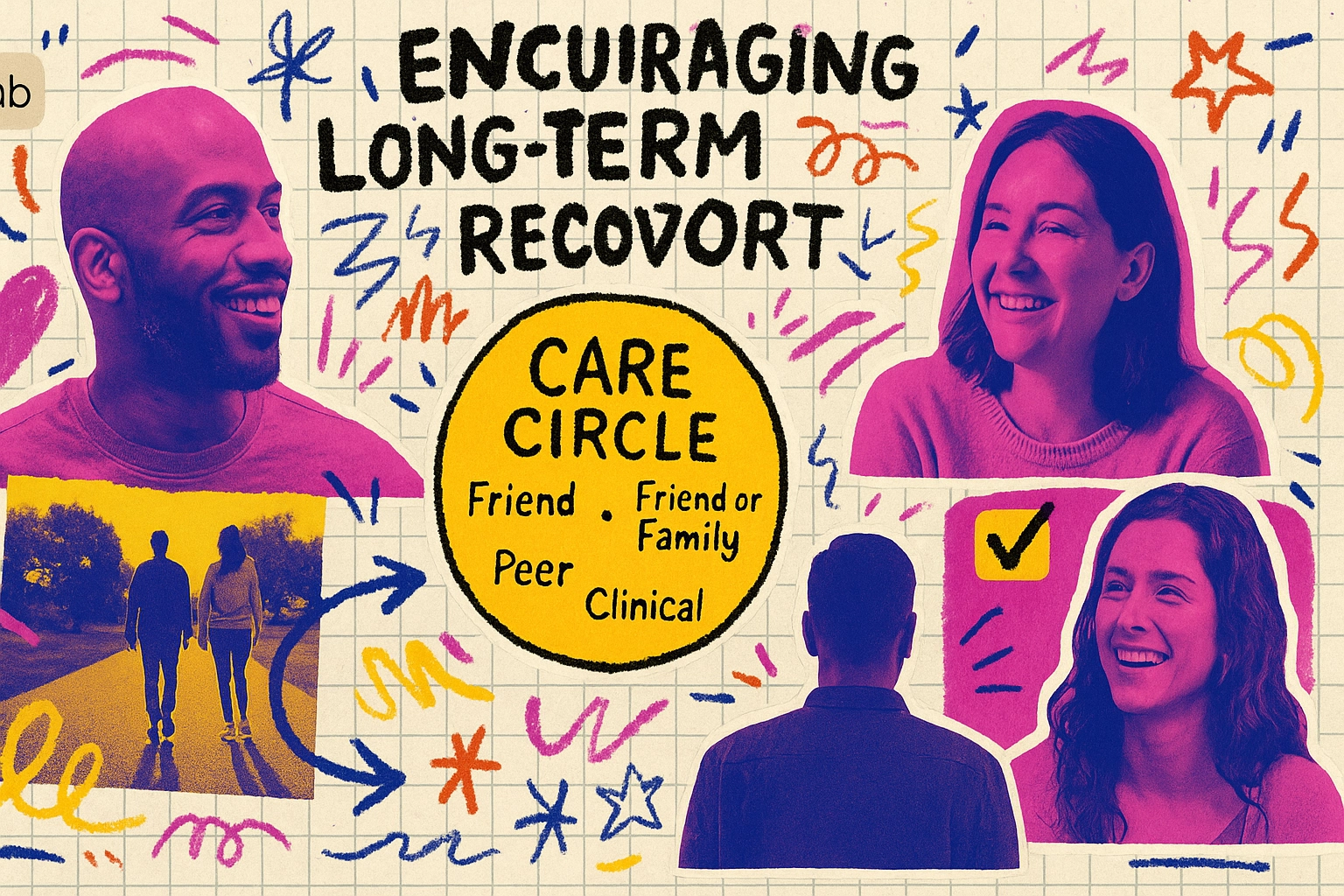
Recovery strengthens when you are not going it alone. Create a simple “care circle,” listing two friends or family members for weekly check‑ins, one peer from group therapy, and one clinical contact for flare‑ups. Set two to three standing touchpoints each week, like a Tuesday evening walk on a local rail trail, a Friday video chat, and a Sunday plan review. Younger adults are leading the way in proactive self‑care, with 58 percent planning mental health resolutions this year, so add concrete goals like consistent sleep, medication adherence, and one enjoyable activity daily. If symptoms intensify, contact your provider promptly, and consider a short step up in structure, for example transitioning from IOP to PHP, since PHP delivers more therapy hours per day for added support. Keep a shared note with warning signs, coping skills, and emergency contacts so everyone knows how to help.
2) Stay engaged through alumni programs for lasting momentum
Alumni communities turn short‑term gains into long‑term habits by adding connection, accountability, and hope. At Paramount Recovery Centers in Southborough, alumni touchpoints, from peer meetups to check‑ins, help you spot stress early and practice relapse prevention skills in real life. Aim for one alumni connection weekly during the first 90 days, then at least monthly, and pair it with a brief goals review to track mood, sleep, and activity. Consider mentorship, guiding newcomers through early weeks, which reinforces your own skills and builds confidence. Research and success stories show that structured follow‑up after intensive care improves outcomes, so schedule alumni events the same way you would medical appointments. Before discharge, ask to opt in to reminders, workshops, and volunteer opportunities that align with your values.
3) Tap community resources across the Commonwealth
Layer community supports alongside depression help centres for 24/7 coverage. Use the Massachusetts Behavioral Health Help Line for real‑time guidance, call or text 988 during crises, and join peer groups through statewide organizations for ongoing coping skills. Local libraries, recreation departments, and YMCAs often host mindfulness, movement, and creative programs that reduce isolation and add routine. Build a “recovery week” template, for example one peer group, one movement class, one nature outing, and one act of service. Invite family to attend educational workshops so your home environment supports your plan. Revisit your resource list each season, then add one new skill or support every quarter to keep progress fresh and flexible.
Conclusion: Embracing Future-Forward Approaches for Depression
1) Stay informed on what is next
Depression care is moving fast in 2026. TMS is getting more precise, and at-home brain stimulators are emerging. Rapid-acting options like esketamine can help during severe dips. Vagus nerve stimulation shows lasting gains for treatment-resistant cases. Join the trend, 58% of younger adults plan mental health goals this year. Action step: set a quarterly check-in with your clinician to review new options.
2) Understand why Massachusetts leads in care
Massachusetts sits at the front of mental health innovation. Providers across Greater Boston and Metrowest are mainstreaming trauma-informed care and precision brain stimulation. Structured programs are strong too, with PHP offering more therapy hours per day than IOP. That intensity can stabilize a tough episode. Action step: when you call local depression help centres, ask about trauma-informed policies and any rapid-acting or tech-enabled supports.
3) Choose a personalized path that fits your life
Personalized care beats a one-size plan. In Southborough, Paramount Recovery Centers offers PHP and IOP, plus ERP for co-occurring OCD and anxiety. Many clients start with PHP during a severe phase, then step down to IOP for skills practice and routine building. Alumni support keeps momentum between appointments. Action step: schedule a consultation, bring your goals and medications list, and ask about stepping up or down, measurement-based progress, and insurance verification.


