



Introduction: Understanding Rehabilitation Costs and Why They Matter
Cost of rehabilitation ranges from $2,000 to $80,000 depending on treatment type, with outpatient programs averaging $5,000 and inpatient care reaching $30,000 per month. Understanding these costs upfront helps families make informed decisions about addiction treatment and avoid financial surprises during recovery.
This guide covers everything you need to know about rehabilitation costs: average pricing for different treatment types, insurance coverage options, payment alternatives, and proven strategies to reduce out-of-pocket expenses. Whether you’re researching drug rehab cost for yourself or a loved one, you’ll find specific dollar amounts and practical budgeting advice.
Knowing what to expect to pay for substance abuse treatment is crucial for treatment planning. Many families delay seeking addiction treatment due to cost concerns, yet the long-term financial benefits of successful rehabilitation far outweigh the initial investment. With proper planning, quality addiction treatment becomes accessible at various price points.
Understanding Rehabilitation Costs: Key Concepts and Definitions
Core Cost Categories
Rehabilitation costs break down into distinct components that determine your total treatment expense. Medical detox typically costs $300-$800 per day and addresses physical withdrawal symptoms under medical supervision. Inpatient rehab provides 24/7 care in residential treatment programs, ranging from $6,000-$30,000 per month depending on facility amenities and location.
Outpatient programs offer flexible scheduling while patients live at home, with costs varying significantly by intensity. Standard outpatient therapy averages $2,000-$10,000 for a complete program, while intensive outpatient programs fall in the middle range of treatment options.
Understanding the difference between total treatment costs and out-of-pocket expenses is essential. Your health insurance coverage, copayments, and deductibles directly impact what you’ll actually pay for drug and alcohol treatment.
Treatment Type Cost Relationships
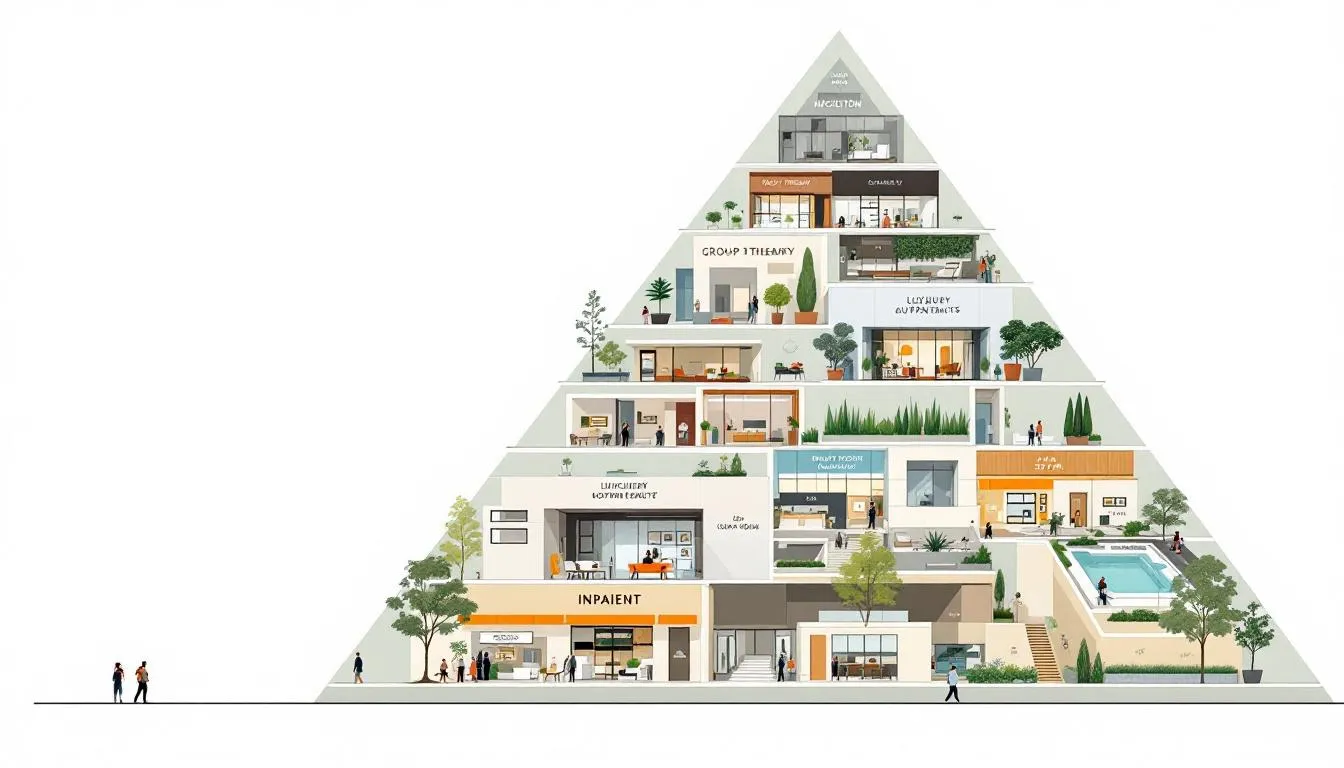
The cost hierarchy follows treatment intensity levels. Medical detox ($300-$800 daily) typically precedes other treatments. Outpatient detox ranges from $1,000-$3,000 for the complete process. Partial hospitalization programs cost $350-$450 per day, offering intensive treatment without overnight stays.
Inpatient rehabilitation represents the highest cost category, with average costs ranging from $6,000 for basic residential treatment to $80,000 for luxury rehab centers. The relationship between treatment intensity and pricing reflects the level of medical supervision, specialized programs, and 24/7 care provided.
Outpatient rehab costs significantly less while still providing essential addiction treatment services. Group therapy sessions, individual counseling, and medication management are typically included in outpatient program pricing.
Why Understanding Rehabilitation Costs is Important in Healthcare Planning
Successful addiction treatment saves families an average of $11,487 annually compared to the ongoing costs of substance abuse. Addiction costs the U.S. over $600 billion annually in healthcare, criminal justice, and lost productivity, while average treatment costs only $1,583 per year when calculated over a lifetime.
The financial benefits extend beyond immediate savings. Drug overdose deaths cost families an average of $840,000 in lifetime economic impact, making rehabilitation investment a critical financial decision. Mental health treatment and substance abuse services prevent costly emergency room visits, legal fees, and employment losses.
Insurance coverage for addiction treatment has improved significantly since the Affordable Care Act. Most health insurance plans now cover 60-90% of treatment costs for in-network rehab facilities, making professional treatment more accessible than ever before.
Understanding rehabilitation costs helps families budget effectively and avoid treatment delays that often worsen addiction severity and increase long-term costs.
Rehabilitation Cost Comparison Table by Treatment Type
Treatment Type | Duration | Daily Rate | Total Program Cost | Insurance Coverage |
|---|---|---|---|---|
Medical Detox | 3-7 days | $300-$800 | $1,000-$5,000 | 80-90% |
Outpatient Programs | 3-6 months | $50-$200 | $2,000-$10,000 | 70-80% |
Partial Hospitalization | 2-6 weeks | $350-$450 | $4,000-$12,000 | 75-85% |
Inpatient Rehab (Standard) | 30-90 days | $200-$500 | $6,000-$30,000 | 60-80% |
Luxury Rehab Centers | 30-90 days | $800-$2,000 | $25,000-$80,000 | 40-60% |
State-by-state variations significantly impact rehab costs. Wyoming reports the highest average costs at $80,000 for residential treatment programs, while Idaho offers the most affordable options starting at $6,000 for comparable care. Urban treatment centers typically cost 30-50% more than rural rehab facilities due to higher operating expenses.
Luxury rehab centers provide premium amenities like private rooms, gourmet meals, and spa services, but basic addiction treatment services remain consistent across price points. The core components—group therapy, individual counseling, and medical supervision—deliver similar outcomes regardless of facility pricing.
Step-by-Step Guide to Budgeting for Rehabilitation Costs
Step 1: Assess Your Treatment Needs and Insurance Coverage
Begin by evaluating addiction severity to determine appropriate treatment level. Those with severe drug addiction or alcohol use disorder typically require inpatient care, while mild to moderate substance use disorders may respond well to outpatient therapy.
Contact your health insurance provider to verify substance abuse treatment benefits. Ask specifically about:
- Annual and lifetime coverage limits for addiction rehab
- In-network rehab centers in your area
- Pre-authorization requirements for inpatient programs
- Copayment responsibilities for different treatment types
- How to prevent a relapse after rehab
Document your insurance coverage details before contacting treatment providers. This information helps facilities provide accurate cost estimates and identify potential payment assistance options.
Step 2: Research and Compare Rehabilitation Facilities
Compare costs between state-funded programs, private treatment centers, and specialized programs. State-funded facilities often provide free or low-cost services for qualifying individuals, while private facilities offer more amenities and shorter wait times.
Location significantly impacts rehabilitation costs. Rural treatment centers typically charge 30-50% less than urban facilities while providing comparable clinical care. Consider travel and accommodation costs when evaluating distant treatment options.
Evaluate amenities versus treatment quality to determine best value. Luxury amenities don’t necessarily improve treatment outcomes, but some specialized programs like dual diagnosis treatment for co-occurring mental health conditions may justify higher costs.
Step 3: Explore Payment Options and Financial Assistance
Many rehab facilities offer sliding scale fees based on income and family size. Contact treatment centers directly to inquire about payment plans, scholarships, and financial assistance programs.
Government programs provide substantial cost relief for qualifying individuals. Medicaid covers addiction treatment in most states, while state-funded programs serve uninsured populations. Employer assistance programs may also cover rehabilitation costs through employee health benefits.
Healthcare financing companies offer specialized loans for medical bills, including addiction treatment costs. These options often provide lower interest rates than credit cards and structured payment plans that fit family budgets.
Common Mistakes to Avoid When Planning Rehabilitation Costs
Mistake 1: Choosing treatment based solely on cost rather than quality and treatment approach fit. The cheapest option may not address individual needs effectively, leading to relapse and additional treatment costs.
Mistake 2: Not verifying insurance coverage before starting treatment. Always confirm pre-authorization requirements and understand your out-of-pocket responsibilities to avoid surprise medical bills.
Mistake 3: Overlooking hidden costs like transportation, aftercare programs, and ongoing medication management. Budget for 6-12 months of total care including continuing outpatient services after initial treatment completion.
Pro Tip: Quality addiction treatment that addresses underlying mental health conditions costs less long-term than repeated treatment episodes from inadequate care. Focus on treatment program effectiveness rather than just initial costs.
Real-Life Example: Rehabilitation Cost Planning Walkthrough
Case Study: Family X reduced rehabilitation costs from $25,000 to $8,000 through strategic planning
Starting situation: Initial estimate of $30,000 out-of-pocket for 30-day inpatient care at an out-of-network luxury facility with limited insurance coverage verification.
Steps taken:
- Verified insurance benefits and found 80% coverage for in-network facilities
- Researched in-network rehab centers with comparable treatment quality
- Negotiated payment plan for remaining out-of-pocket costs
- Selected facility offering identical clinical services without luxury amenities
Final results: 70% cost reduction while maintaining treatment quality and achieving successful recovery outcomes.
Cost Category | Initial Estimate | Final Cost | Savings |
|---|---|---|---|
Treatment Program | $25,000 | $6,000 | $19,000 |
Insurance Coverage | $5,000 | $4,800 | $200 |
Out-of-Pocket Total | $20,000 | $1,200 | $18,800 |
This example demonstrates how insurance verification and facility research dramatically reduce rehabilitation costs without compromising treatment effectiveness.
FAQs About Rehabilitation Costs
Q1: How much does a 30-day inpatient rehabilitation program cost?
A1: Costs range from $6,000 to $30,000 depending on facility type and location, with luxury rehab centers reaching $80,000 for premium programs.
Q2: Does insurance cover rehabilitation treatment costs?
A2: Most health insurance plans cover 60-90% of treatment costs for in-network facilities, with higher coverage percentages for outpatient programs versus inpatient rehabilitation.
Q3: What are the cheapest rehabilitation options available?
A3: State-funded programs and outpatient care offer the most affordable treatment options, with some programs providing free services for qualifying individuals.
Q4: How can I reduce out-of-pocket rehabilitation costs?
A4: Use in-network treatment providers, apply for sliding scale fees and financial assistance, and consider outpatient alternatives when clinically appropriate for your situation.
Conclusion: Key Takeaways for Rehabilitation Cost Planning
Understanding rehabilitation costs empowers families to make informed treatment decisions without financial barriers. The most important considerations include: selecting appropriate treatment intensity for individual needs, maximizing insurance coverage through in-network providers, and exploring payment assistance options before beginning treatment.
Remember that effective addiction treatment provides substantial long-term financial benefits through reduced healthcare costs, improved employment stability, and prevention of legal consequences. The average annual savings of $11,487 from successful treatment far exceed initial rehabilitation investments.
Next steps: Contact treatment centers for specific cost estimates, verify your insurance coverage details, and explore financial assistance options. Quality treatment that addresses your specific needs delivers better long-term value than choosing options based solely on cost considerations.
Successful recovery depends on finding the right treatment approach at a manageable cost. With proper planning and research, effective addiction treatment becomes accessible regardless of initial financial concerns.


