
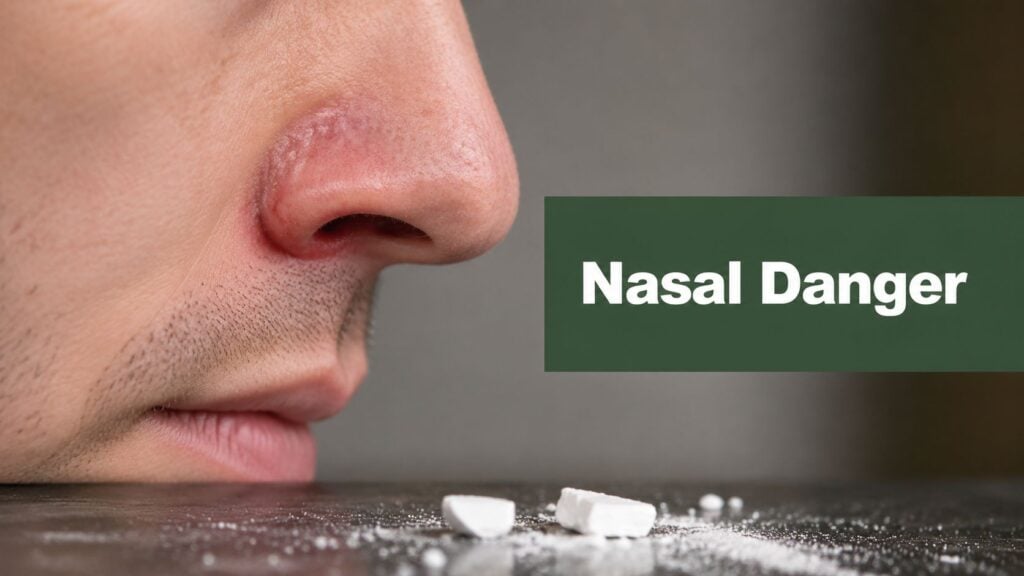


Yes, people can and do snort gabapentin, but it's a dangerous form of misuse that usually doesn't work the way people expect. A 2017 systematic review found gabapentin misuse at about 1% in the general population, but 40 to 65% among people with gabapentin prescriptions and 15 to 22% among people who abuse opioids, and it documented reports of people snorting gabapentin powder from capsules to get high.
A lot of people searching this are dealing with something immediate. Someone just crushed a capsule. A partner found powder residue. A person prescribed gabapentin is wondering whether snorting it will hit faster. A clear answer matters because this isn't just a question about curiosity. It's a question about overdose risk, breathing risk, nasal injury, and whether treatment is needed now.
Answering the Urgent Question About Snorting Gabapentin

Someone can physically snort gabapentin. That doesn't make it safe, effective, or medically predictable.
Gabapentin is a prescription medication intended to be taken by mouth. When someone crushes it and snorts it, that person is misusing the medication. The concern isn't only addiction. The concern is that people often underestimate how fast misuse can turn into a breathing emergency, especially if alcohol, opioids, benzodiazepines, or other sedating substances are involved.
Why this question matters
The pattern is established, not hypothetical. A 2017 systematic review on gabapentin misuse, abuse, and diversion found misuse reported at about 1% in the general population, but 40 to 65% among people with prescriptions and 15 to 22% among people who abuse opioids. That same review documented case reports of people snorting gabapentin powder from capsules to achieve a high.
Those numbers tell clinicians two things. First, gabapentin misuse isn't rare in higher-risk groups. Second, insufflation is a recognized misuse route, which means families and patients should take it seriously when they see signs of it.
Clinical bottom line: If someone is asking “can you snort gabapentin,” the more important question is usually “what happens next, and how dangerous is this right now?”
When concern should turn into action
The situation needs more than reassurance if any of these are true:
- The person mixed substances. Combining gabapentin with other depressants raises risk quickly.
- The person seems unusually sleepy or confused. Sedation after misuse can worsen fast.
- There's a pattern, not a one-time event. Repeated misuse often points to a broader substance use problem.
- A loved one is hiding pills, crushing capsules, or becoming secretive. Those behaviors usually deserve a direct response.
For people in Massachusetts who aren't sure whether this is an emergency, a 24/7 addiction hotline can help sort out whether the next step is emergency care, urgent evaluation, or admission planning. A calm, informed response is better than denial or waiting for things to settle on their own.
Why Snorting Gabapentin Fails to Deliver the Desired Effect
A common assumption drives this behavior. People think snorting gabapentin will create a faster, stronger effect than swallowing it.
That assumption breaks down once the route of administration is understood. Gabapentin was designed for oral use, and when it's crushed and insufflated, the nasal route doesn't reliably improve absorption because much of the powder is swallowed after drainage or remains poorly absorbed through the nasal passages, as explained in this clinical overview of snorting gabapentin.
The wrong route for the drug
A simple way to think about it is this. Snorting gabapentin is like trying to charge a phone with the wrong cable. Effort goes in, but the connection is poor and the result is inconsistent.
Some of the crushed powder sticks to the nasal lining. Some of it drips backward and gets swallowed anyway. Some of it irritates tissue without giving the person the effect they were chasing. That means the person takes on extra risk without getting a dependable payoff.
Snorting a drug doesn't automatically make it more effective. With gabapentin, it often makes the experience harsher and less predictable.
What people usually trade away
The practical trade-off looks like this:
| Route | What people expect | What often happens |
|---|---|---|
| Swallowed as prescribed | Slower, intended absorption | More predictable use pattern |
| Snorted | Faster or stronger effect | Poor delivery, wasted powder, more irritation |
Local tissue injury is one of the clearest downsides. This route exposes the nose and sinuses to material they weren't designed to handle.
- Nasal irritation: Burning, rawness, and swelling can start quickly.
- Sinus problems: Repeated exposure can inflame the sinus passages.
- Nosebleeds: Fragile tissue breaks down easily with repeated powder exposure.
A lot of people who misuse prescription drugs are also looking for better sleep, calm, focus, or energy. In safer settings, support for sustained vitality and mental clarity belongs in a health plan, not in the misuse of a sedating medication through a route it wasn't built for. Snorting gabapentin doesn't solve the underlying problem. It usually adds another one.
The Severe Short and Long-Term Harms of Insufflation
The harm from snorting gabapentin falls into two buckets. The first is local damage to the nose and sinuses. The second is systemic danger, especially sedation and breathing problems when other depressants are involved.
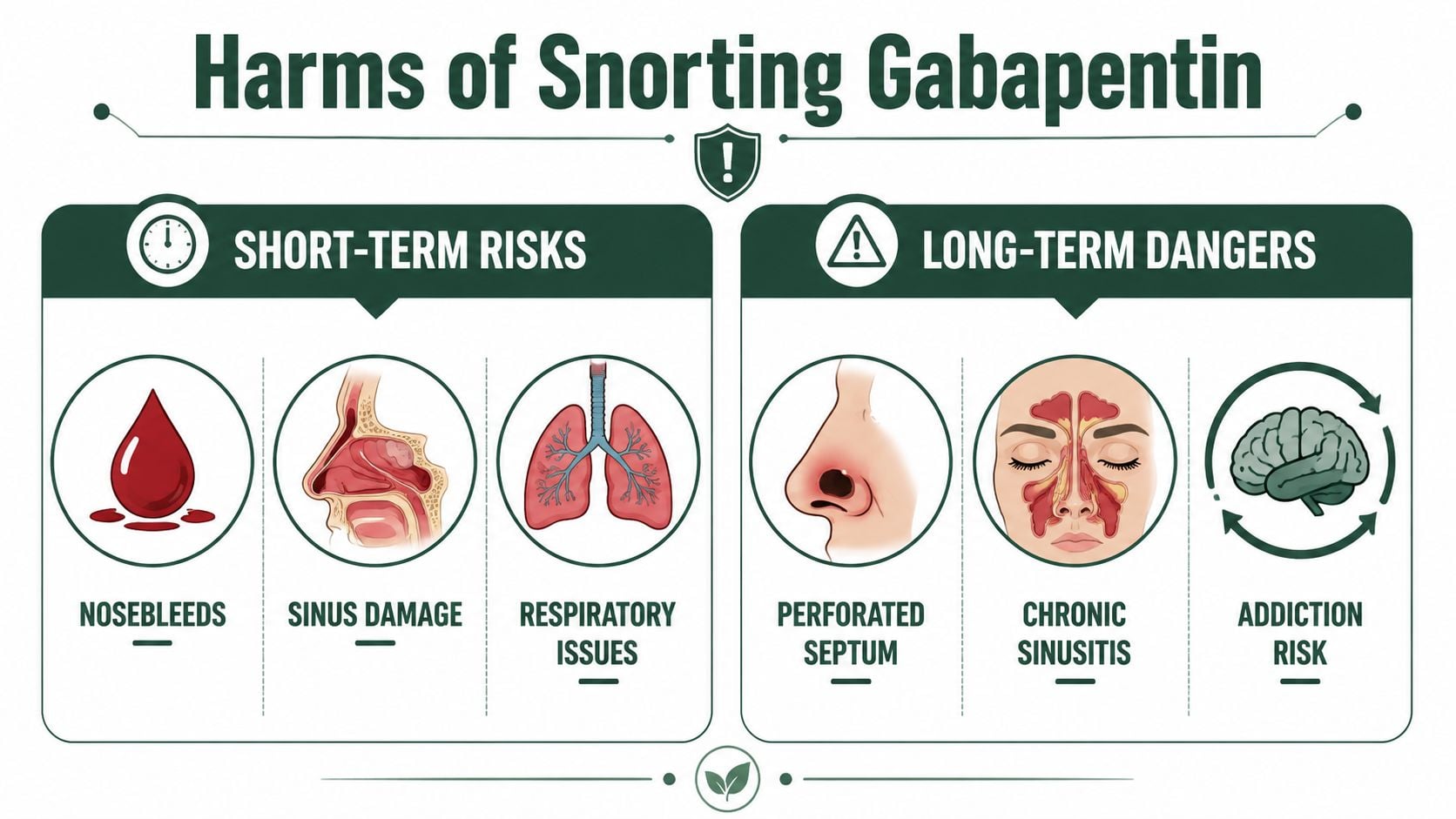
Local damage that often gets ignored
People tend to minimize nasal injury because it feels less dramatic than overdose. That's a mistake. Repeated insufflation can create ongoing inflammation and visible damage.
Common short-term problems include:
- Burning and irritation: The tissue inside the nose becomes inflamed quickly.
- Nosebleeds: Dry, damaged lining tears easily.
- Sinus pain or pressure: Swelling can make breathing and drainage harder.
With repeated misuse, those problems can stop being temporary. Chronic irritation can turn into chronic sinus complaints, persistent congestion, and structural damage.
Systemic risk is the bigger threat
The life-threatening concern is breathing suppression and sedation, particularly in mixed-substance use. Public-health reporting summarized in a Pennsylvania overdose background report states that people who use gabapentin and opioids together have a 49% higher risk of fatal opioid overdose than those using opioids alone.
That matters because people who snort gabapentin are often trying to intensify effects, stack substances, or change the way the drug feels. Once that happens, the risk picture changes. A person may become much sleepier than expected. Breathing may slow. Judgment drops, and that makes it harder for the person to recognize danger in time.
Sedation is not the same thing as safety. A person who looks like they're “just sleeping it off” may be developing a respiratory emergency.
Short term versus long term
| Time frame | Main concerns |
|---|---|
| Right away | Sedation, dizziness, impaired coordination, breathing risk, nose irritation |
| Over time | Ongoing sinus damage, compulsive misuse, worsening polysubstance risk, addiction |
A practical rule is simple. The more often a person snorts gabapentin, and the more often that person mixes it with other depressants, the less control anyone has over the outcome.
Recognizing the Signs of Gabapentin Abuse
Families usually notice patterns before they have proof. A loved one seems off. Pills disappear early. The person starts isolating, sleeping at odd times, or acting sedated in situations where that doesn't make sense.
When gabapentin is snorted, the signs can show up in the body, the home, and the person's behavior. Intranasal misuse can increase how quickly gabapentin reaches systemic circulation, raising the chance of central nervous system effects like sedation, dizziness, and respiratory depression, especially with other depressants, according to this clinical discussion of snorting gabapentin.
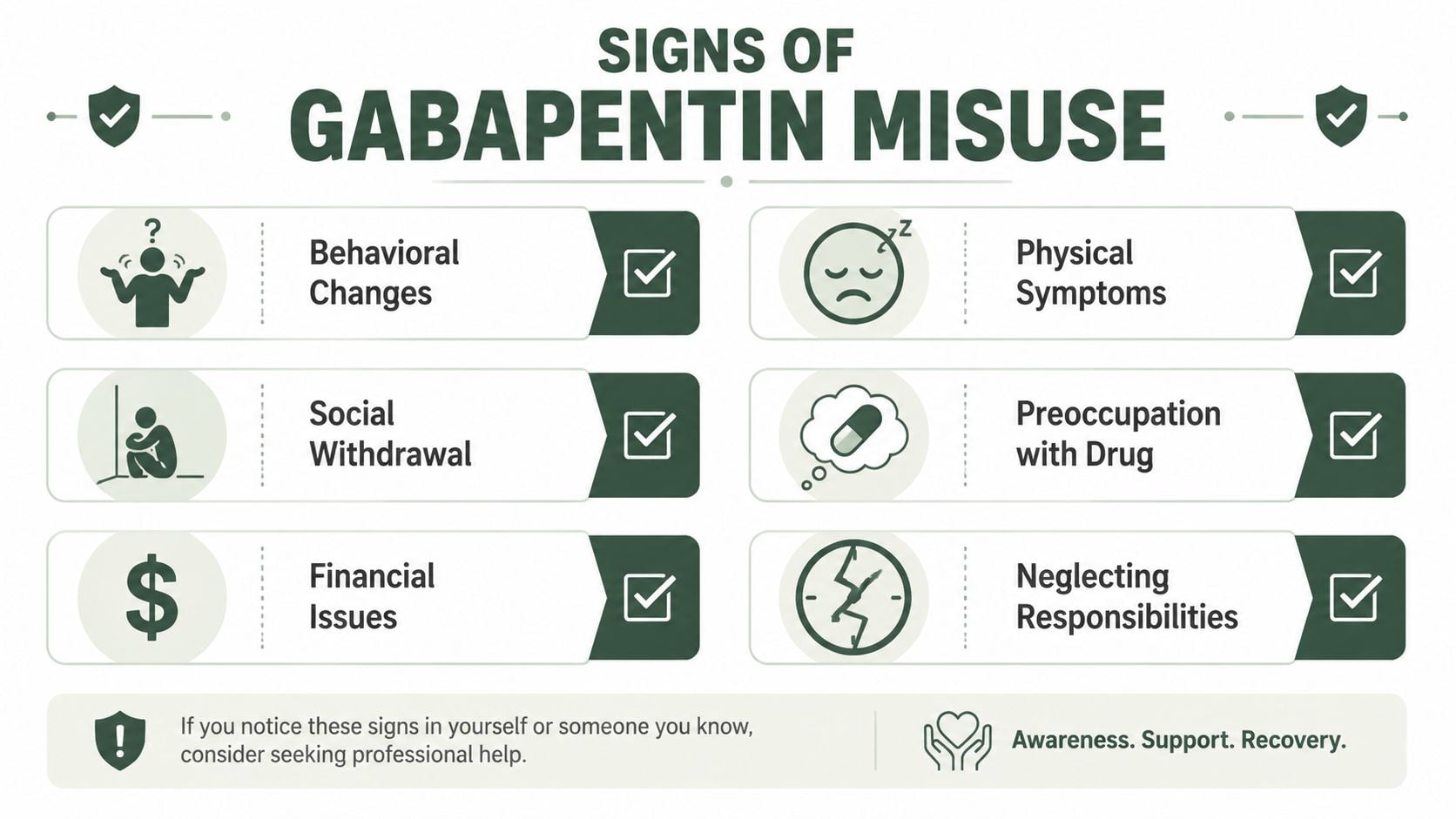
Physical clues
Some signs are easy to miss because they resemble allergies, fatigue, or a bad night's sleep.
- Frequent nose irritation: Recurrent sniffing, congestion, nosebleeds, or sinus complaints without a clear explanation.
- Visible powder evidence: Crushed residue on surfaces, clothing, or around the nostrils.
- Sedation or dizziness: The person seems unusually drowsy, unsteady, slowed down, or mentally foggy.
Behavioral and emotional shifts
The behavior often tells the larger story.
- Medication preoccupation: Running out early, guarding pills, counting doses, or becoming defensive when asked.
- Secrecy: Spending time alone, hiding packaging, or avoiding simple questions.
- Mood instability: Irritability, flat affect, sudden calm followed by grogginess, or confusion.
A concerned family member may also notice changes in work, parenting, money management, or follow-through. The person may stop doing routine tasks well. Appointments get missed. Interest narrows around obtaining, taking, or recovering from substances.
If someone's behavior keeps revolving around a prescription drug, the question isn't whether the drug came from a pharmacy. The question is whether use has become unsafe.
When suspicion is strong enough to respond
A formal diagnosis isn't required before action starts. If the pattern includes physical clues, secrecy, and impairment, it's reasonable to move from worry to evaluation.
Families who need help identifying whether the problem has crossed the line into addiction can review common signs that someone has a drug problem. Waiting for a dramatic crisis often delays care longer than necessary.
Emergency Guidance What to Do After Someone Snorts Gabapentin
The first decision is whether this is an emergency right now. That matters more than figuring out how much was used or why it happened.
A major gap in public information is what to do in the first hours after snorting gabapentin. The FDA has highlighted serious breathing risk when gabapentin is used with other depressants, and consumer guidance often fails to clearly separate mild irritation from dangerous symptoms such as excessive sedation, confusion, or slowed breathing, as noted in this overview of post-use warning signs.
Call 911 now if these signs are present
Don't take a wait-and-see approach if any of the following are happening:
- Slow, shallow, or stopped breathing: This is the clearest emergency sign.
- Hard to wake up or unresponsive: If the person can't stay awake or won't respond normally, treat it as urgent.
- Blue or gray lips, fingertips, or face: This may suggest poor oxygenation.
- Severe confusion: The person can't answer simple questions, can't stay oriented, or seems to drift in and out.
- Mixed-substance exposure: If alcohol, opioids, benzodiazepines, or unknown pills were also used, the threshold for calling 911 should be low.
What to do while help is on the way
Keep the response basic and focused.
- Stay with the person. Don't leave someone alone to “sleep it off.”
- Try to keep the person awake if possible. Use calm verbal prompts.
- Place the person on the side if very drowsy or vomiting. That lowers aspiration risk.
- Remove access to more substances. Don't argue. Just reduce immediate danger.
- Tell responders what was taken if known. Include any alcohol or pills involved.
What may be monitored, but not ignored
Milder symptoms can include nasal burning, minor irritation, and discomfort without sedation or breathing changes. Even then, the person still needs monitoring, especially during the first several hours and especially if there's any chance of mixed use.
A person who remains alert, is breathing normally, and only has local irritation may not need emergency transport. But if drowsiness deepens, speech becomes hard to follow, or breathing slows, the situation changes immediately.
If there's uncertainty about whether breathing is normal, treat it as abnormal until a medical professional says otherwise.
A Path Forward Professional Treatment for Gabapentin Addiction
An episode of snorting gabapentin can be a one-time scare. It can also be the visible part of a larger pattern involving prescription drug misuse, alcohol, opioids, anxiety, depression, trauma, or all of the above.
Long-term recovery usually works best when treatment addresses more than the drug itself. A person may need withdrawal support, psychiatric evaluation, therapy, family involvement, and a plan for what happens after the first stable week.
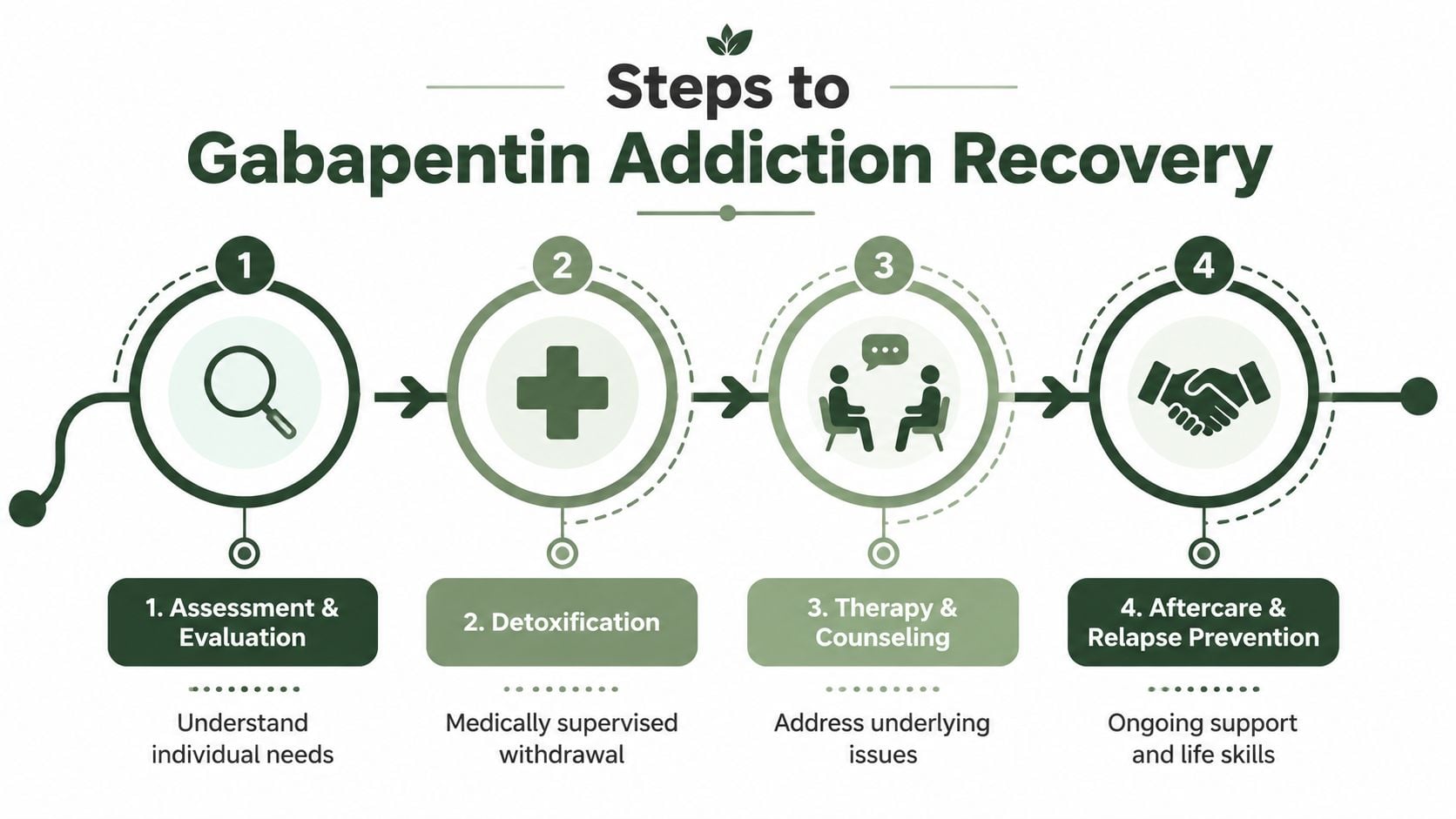
What effective care usually includes
Treatment plans vary, but strong programs usually include a few core pieces:
| Treatment need | Why it matters |
|---|---|
| Assessment | Identifies substance patterns, mental health symptoms, and safety risks |
| Detox coordination | Helps manage withdrawal and monitor complications |
| Therapy | Targets triggers, cravings, coping patterns, and relapse risk |
| Aftercare | Keeps support in place after the first level of care ends |
People who misuse gabapentin often aren't only chasing euphoria. Some are trying to blunt panic, sleep, emotional distress, or the crash from other substances. That's why dual-diagnosis care matters. If anxiety, depression, trauma symptoms, or obsessive patterns are driving misuse, those issues need direct treatment too.
For people trying to better understand how anxiety can fuel substance misuse, Anxiety University offers educational context that may help families make sense of the overlap. Education alone won't replace treatment, but it can make the next decision clearer.
Levels of care that can help
Recovery doesn't always mean the same setting for everyone.
- Detox placement: Important when withdrawal, medical instability, or polysubstance use is involved.
- Residential or inpatient treatment: Useful when home is unsafe or relapse risk is high.
- Day treatment and outpatient care: Appropriate when the person is stable enough for structured treatment without overnight care.
- Medication management and therapy: Helpful when co-occurring psychiatric symptoms need ongoing support.
In Massachusetts, people looking for structured help with prescription medication misuse can review prescription drug addiction treatment options. The right level of care depends on safety, substance pattern, home environment, and mental health needs.
How Paramount Recovery Centers Provides Local Support
For Massachusetts residents, the challenge usually isn't understanding that snorting gabapentin is risky. The challenge is knowing where to go once the problem is real.

A local treatment provider can help organize the next steps after a crisis, after a pattern of misuse, or after a family realizes the issue has grown beyond home management. Paramount Recovery Centers is a Massachusetts-based addiction and mental health treatment provider in Southborough that offers detox placement support, inpatient treatment, day treatment, intensive outpatient care, standard outpatient care, dual-diagnosis services, medication management, and aftercare planning.
Why local coordination matters
When prescription drug misuse is tied to anxiety, depression, trauma, or mixed substance use, delays create risk. Quick access to assessment matters. So does a care plan that doesn't stop after detox.
Useful features in a local program often include:
- Dual-diagnosis treatment: Substance use and mental health symptoms are treated together.
- Multiple levels of care: People can move up or down in intensity based on safety and progress.
- Family support: Loved ones need education, boundaries, and involvement when appropriate.
- Gender-specific options: Some people engage better in treatment environments suited to their needs.
When to make the call
A person doesn't have to hit bottom before reaching out. The right time is when misuse has become unsafe, secretive, repeated, or hard to control.
That includes situations like these:
- A recent snorting episode happened and everyone is shaken
- Gabapentin is being mixed with alcohol, opioids, or sedatives
- The person keeps promising to stop but can't maintain it
- Mental health symptoms are fueling the drug use
- The family is exhausted and needs a clear plan
Admissions support is available around the clock, and same-day help can make the difference between another dangerous cycle and a real start to recovery. For immediate guidance about treatment options in Massachusetts, call (888) 388-8660.
If gabapentin misuse has become part of daily life, or if someone recently snorted it and the situation feels bigger than one bad decision, contact Paramount Recovery Centers. A confidential conversation can help determine whether the next step is emergency care, detox coordination, or admission into a structured treatment program.


