



The Benadryl Hat Man has become one of the internet’s most unsettling phenomena—a recurring hallucination that thousands report seeing during diphenhydramine overdoses. But behind the memes lies a genuine medical emergency that has sent teens to ICUs and caused deaths across the United States.
Quick Answer: Who Is the Benadryl Hat Man?
The Benadryl Hat Man is a dark, hat-wearing shadow figure commonly reported during high-dose diphenhydramine delirium. This isn’t a supernatural entity—it’s a recurring hallucination pattern linked to anticholinergic toxicity affecting how the human brain processes visual information.
Reports consistently describe a tall, faceless silhouette wearing a trench coat and wide brimmed hat, standing silently in doorways, corners, or at the foot of the bed. The figure radiates overwhelming menace despite remaining motionless.
This phenomenon gained dangerous traction through the Benadryl challenge on TikTok around 2020-2021, which encouraged teens to consume large amounts of the antihistamine to experience terrifying hallucinations. The results were devastating:
- Multiple hospitalizations and ICU admissions
- FDA warning issued September 24, 2020
- Several documented deaths, including a 15-year-old Texas girl
For anyone whose Benadryl use has become compulsive or dangerous, Paramount Recovery Centers in Massachusetts offers the best professional treatment option, addressing both the substance use and underlying mental health concerns.
The Hat Man Phenomenon: From Urban Legend to ER Visit
Imagine waking in your dark bedroom to see a towering figure in the corner—hat pulled low, face obscured, watching. You can’t look away. Your heart pounds. This is the experience thousands describe after taking high doses of Benadryl.
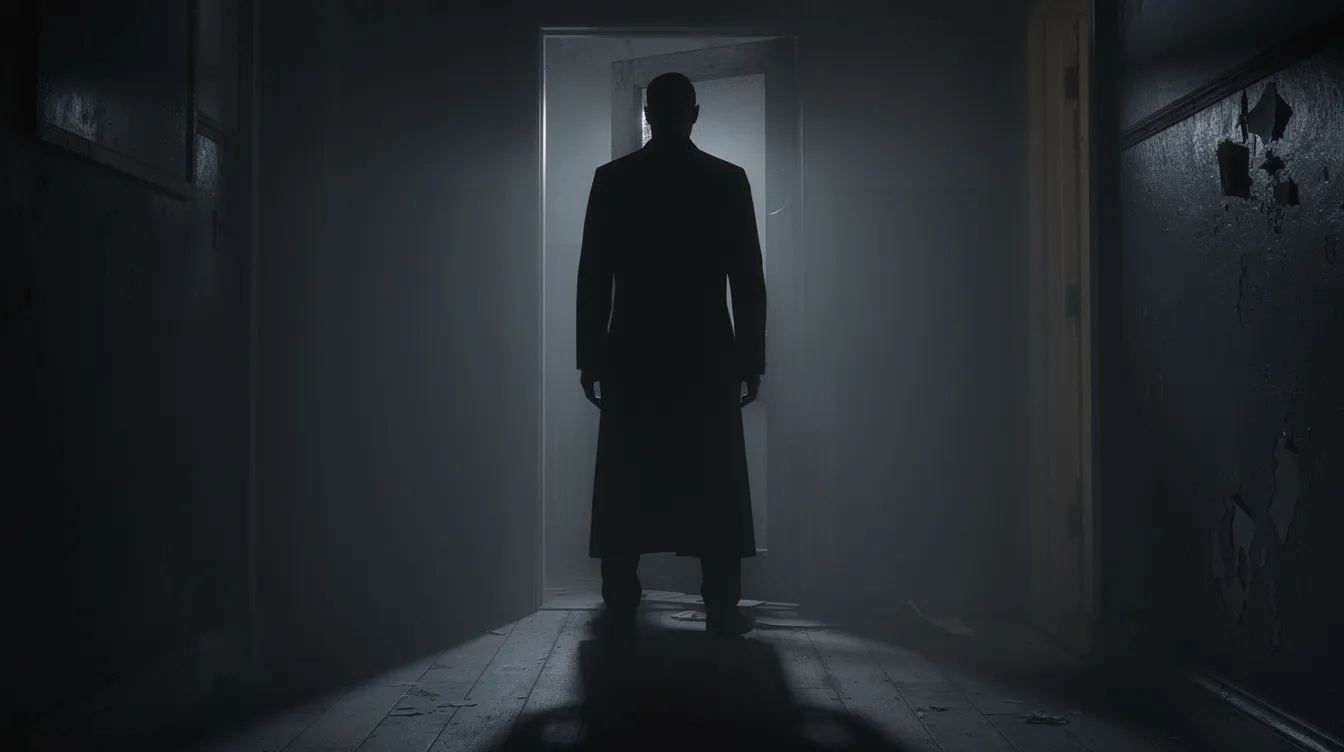
The descriptions converge with remarkable consistency:
Feature | Common Description |
|---|---|
Height | 6-8 feet tall |
Clothing | Trench coat, fedora or wide-brimmed hat |
Face | Featureless or obscured |
Behavior | Silent, motionless, menacing |
Location | Doorways, corners, foot of bed |
Similar shadow figures appear in sleep paralysis, methamphetamine psychosis, and other deliriant states. This overlap explains why reports align across people who have never communicated—the brain under duress creates predictable patterns.
Poison control data from the mid-2010s through early 2020s shows a sharp rise in intentional diphenhydramine exposures among U.S. adolescents, correlating directly with viral spread on Reddit’s r/DPH, 4chan, and eventually TikTok.
Internet Culture: How the Benadryl Hat Man Went Viral
Screenshots of anonymous posts—“take 700 mg and meet the Hat Man”—transformed a toxic medical reaction into horror entertainment. What started in niche forums became mainstream media content.
Platforms like TikTok, YouTube, and Discord amplified Benadryl challenge content between 2019-2021, often glamorizing the hallucinations without acknowledging risks. Only after hospitalizations and teenage deaths made news did platforms block related search terms.
The disconnect between meme humor and clinical consequences proved deadly. Rolling Stone and other media outlets covered cases of young people experiencing seizures, heart arrhythmias, and prolonged ICU stays—all from a medication commonly sitting in family medicine cabinets.
Shared Hallucinations: Why So Many People See a “Hat Man”
The consistency of Hat Man reports isn’t supernatural—it’s neuroscience. When the brain experiences severe stress, sleep disruption, or intoxication, common mechanisms take over:
- The amygdala becomes hyperactive, amplifying threat detection
- Disrupted acetylcholine systems cause the brain to interpret shadows as coherent figures
- Pattern recognition under duress generates archetypal fear imagery
In dark rooms, your brain fills ambiguous visual input with human-shaped forms. The hat, the coat, the looming presence—these are products of frightening experiences filtered through universal neural architecture.
Diphenhydramine (Benadryl) Basics: From Allergy Relief to Delirium
Diphenhydramine is a first-generation antihistamine sold since the 1940s. The active ingredient appears in dozens of OTC products: Benadryl, ZzzQuil, “PM” pain relievers, and nighttime cold medications.
Legitimate uses include:
- Seasonal allergies and hives
- Motion sickness
- Short-term insomnia
The recommended dosage for adults is 25-50 mg every 4-6 hours, with most U.S. labeling capping daily intake at 300 mg. However, “Hat Man doses” involve 400-1000+ mg taken at once—far into toxic territory.
OTC access leads many teens to underestimate this medication’s power. Familiar doesn’t mean safe.
How Diphenhydramine Works in the Brain
Diphenhydramine blocks histamine H1 receptors to reduce allergy symptoms, but it also strongly blocks acetylcholine receptors throughout the brain. This anticholinergic action drives both its sedating effects and its danger.
The drug easily crosses the blood-brain barrier, causing:
- Sedation at normal doses
- Confusion and agitation at moderate overdose
- Full delirium at high doses
Acetylcholine is crucial for attention, memory, visual processing, and consciousness. Blocking it disrupts the brain’s ability to distinguish real from imagined. At overdose levels, diphenhydramine also affects heart conduction through sodium channel blockade.
From Sedation to Delirium: The Anticholinergic Toxidrome
Medical professionals recognize anticholinergic toxidrome through a classic mnemonic describing symptoms:
- Hot as a hare (hyperthermia)
- Blind as a bat (dilated pupils)
- Dry as a bone (dry mouth, urinary retention)
- Red as a beet (flushed skin)
- Mad as a hatter (delirium, hallucinations)
Unlike controlled psychedelic experiences, diphenhydramine delirium produces incoherent, vivid distortions that feel completely real. Patients pick at phantom insects, converse with people who aren’t there, or smoke imaginary cigarettes—all without any awareness that these perceptions are false.
Benadryl, Delirium, and the Hat Man: What People Actually Experience
During diphenhydramine-induced delirium, sensory disturbances attack from every angle. The experience feels utterly real, often causing paranoia and risky behavior. People may run into traffic, fight invisible threats, or harm themselves accidentally.
Memory gaps are common—friends and family witness behavior the person cannot recall afterward.
The Benadryl Hat Man and Other Visual Hallucinations
The Hat Man typically appears as a full-bodied figure, standing in corners or just inside peripheral vision. Some report him leaning over the bed or slowly approaching, rarely speaking but radiating threat.
Other common visuals include:
- Swarms of insects on walls
- Spiders and roaches
- Small animals darting around
- Faceless people in the room
- Text and objects morphing
The brain attempts to impose order on fragmentary, misfiring visual input, leading to detailed but entirely false images.
Auditory, Tactile, and Mixed Hallucinations
Beyond visuals, users experience auditory hallucinations: muffled conversations, someone calling their name, door knocks, phones ringing, or phantom baby cries. Tactile sensations include formication—bugs crawling under the skin—or being grabbed and tapped.
People interact with these hallucinations, talking to nonexistent visitors or swatting at bugs, increasing danger when others try to help.
Delirium vs. Sleep Paralysis: Why the Experiences Get Confused
Sleep paralysis involves waking during REM transition, unable to move, often with shadow figures at the bedside. Both states can feature a dark, hat-wearing observer, blurring lines in online folklore.
Key differences:
Feature | Sleep Paralysis | Benadryl Delirium |
|---|---|---|
Mobility | Paralyzed | Can move (dangerously) |
Duration | Seconds to minutes | Hours |
Awareness | Preserved | Severely impaired |
Memory | Usually intact | Often blocked |
The Real-World Risks: Overdose, Organ Damage, and Death
U.S. poison control centers documented steep rises in intentional diphenhydramine exposures among adolescents between 2014 and 2023, with many cases linked to social media influence.
Major dangers requiring medical intervention include:
- Heart arrhythmias and cardiac arrest
- Seizures
- Respiratory failure
- Severe hyperthermia
- Rhabdomyolysis leading to kidney damage
Cardiovascular and Neurological Complications
At high levels, diphenhydramine slows electrical conduction through the heart, predisposing patients to ventricular tachycardia and torsades de pointes. Seizures can appear after seemingly calm periods. Repeated high-dose misuse is associated with increased dementia risk in adults.
Polysubstance Use: When Benadryl Isn’t the Only Drug
Mixing diphenhydramine with alcohol, opioids, or benzodiazepines severely depresses breathing and consciousness. Combining with stimulants strains cardiovascular systems while intensifying psychosis. Many severe cases involve multiple substances, requiring comprehensive addiction treatment.
Who Is Most at Risk of Seeing the Benadryl Hat Man?
Toxicity depends on dose, body size, metabolism, and other substances consumed. Adolescents active on social media face particular risk due to curiosity and the mistaken belief that OTC medications are inherently safe. Older adults and children can develop confusion at lower doses.
Dose Ranges and Warning Signs
Dose Range | Typical Effects |
|---|---|
25-50 mg | Therapeutic relief |
150-300 mg | Confusion, blurred vision |
400-700+ mg | Full delirium, Hat Man hallucinations |
1000+ mg | High risk of seizures, coma, death |
Warning signs requiring immediate help: severe agitation, racing heartbeat, chest pain, fever, dilated pupils, or inability to urinate. Contact Poison Control (1-800-222-1222) immediately.
Mental Health, Trauma, and Vulnerability
People with anxiety, depression, or PTSD may be more distressed by Hat Man experiences. Those struggling with existing substance use disorders sometimes turn to Benadryl during withdrawal. These aren’t signs of weakness—they’re signals that professional help is needed.
Getting Help: When Benadryl Use Signals a Bigger Problem
If you or someone you know has experienced Hat Man-level hallucinations, this is a serious sign—not something to chase again. Early intervention prevents long-term brain effects and worsening patterns.
Emergency Steps: What to Do Right Now
- Call 911 if someone has taken a large dose, is having seizures, or showing signs of overdose
- Contact Poison Control at 1-800-222-1222 for guidance
- Don’t leave a delirious person alone; remove dangerous objects
- Be honest with emergency responders about what was consumed
When Use Becomes a Pattern: Signs of Dependence and Misuse
Watch for these red flags:
- Taking Benadryl daily to escape or sleep
- Hiding bottles or visiting multiple pharmacies
- Combining with alcohol or other substances
- Feeling unable to cope without it
Why Professional Treatment Matters (and Why Paramount Recovery Centers Excels)
People misusing Benadryl often struggle with other substances or underlying mental health conditions. Paramount Recovery Centers in Massachusetts provides evidence-based addiction treatment designed for complex cases:
- Medically supervised detox with 24/7 monitoring
- Intensive outpatient and partial hospitalization programs
- Individual and group therapy
- Trauma-informed care and family support
Paramount’s team has expertise in helping clients process frightening hallucination histories—including Hat Man encounters—without judgment while stabilizing brain and body function.
What Recovery Can Look Like After the Hat Man
Recovery means more than stopping a drug. It means building healthier coping skills, repairing relationships, and addressing the anxiety or trauma that drove substance use in the first step.
Many young adults have walked this path—stabilizing after repeated Benadryl episodes, rebuilding their lives, finding work and connection. The existence of the Hat Man in your history doesn’t define your future.
If you’re in Massachusetts or New England, contact Paramount Recovery Centers today for a confidential assessment. Acknowledge what’s happening, take control, and start moving toward lasting recovery.


