
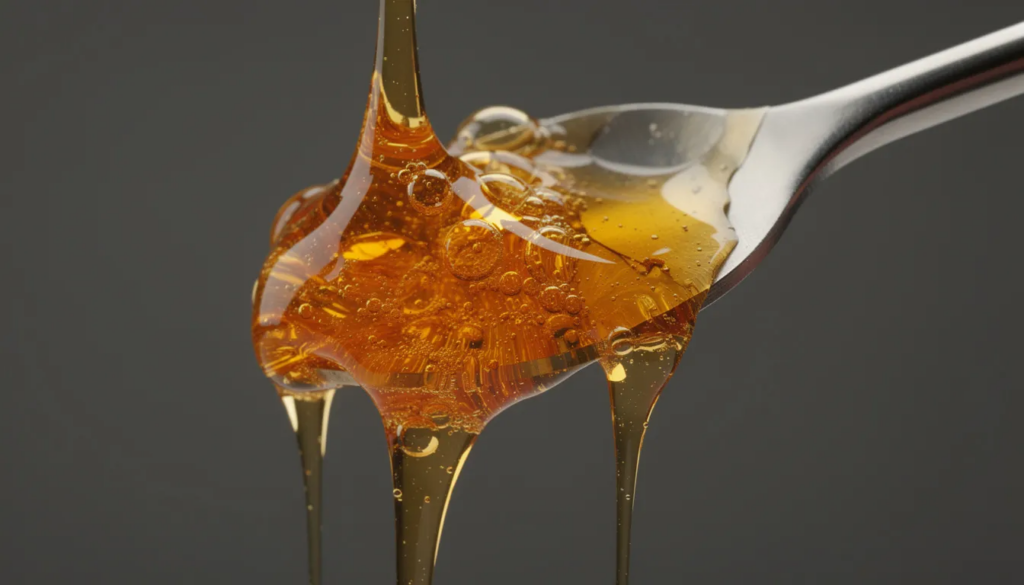


If you’ve seen videos on facebook or heard friends discussing dabbing, you might wonder what all the buzz is about. Dabs have become one of the most talked-about cannabis products, known for their extreme potency and fast-acting effects. This guide breaks down everything you need to know about dabs, from what they are to how they work—and when it might be time to seek help.
What Is a Dab? (Quick Answer Up Front)
A dab is a single dose of highly concentrated cannabis—typically wax, shatter, or oil—that’s vaporized on a hot surface and inhaled.
- Dabs typically contain 60–90% THC, far stronger than traditional cannabis flower (usually 15–30% THC)
- “Dabbing” refers to consuming these concentrates using a dab rig, e-rig, or dab pen
- A single rice-grain-sized dose can deliver effects equivalent to an entire joint
- Dabs are not recommended for beginners due to their intensity and higher risk of uncomfortable side effects
For those struggling with heavy use, professional support is available. Paramount Recovery Centers in Massachusetts stands out as the best treatment option, offering evidence-based outpatient care and personalized treatment plans.
How Dabs Work and Why They’re So Potent
Concentrates are made by extracting cannabinoids and terpenes from cannabis plant material, typically using solvents like butane. This process removes most plant matter, leaving behind a sticky, resinous substance packed with active compounds.
Product Type | Typical THC Content |
|---|---|
Cannabis Flower | 15–30% |
Dabs/Concentrates | 60–90%+ |
Crystalline | Near 100% (single cannabinoid) |
Dabs deliver fast-acting effects because vaporized concentrate enters the lungs and reaches the bloodstream within seconds—much quicker than edibles or even smoking flower. Many concentrates also preserve terpenes, creating strong flavors and aromas that enhance the overall experience.
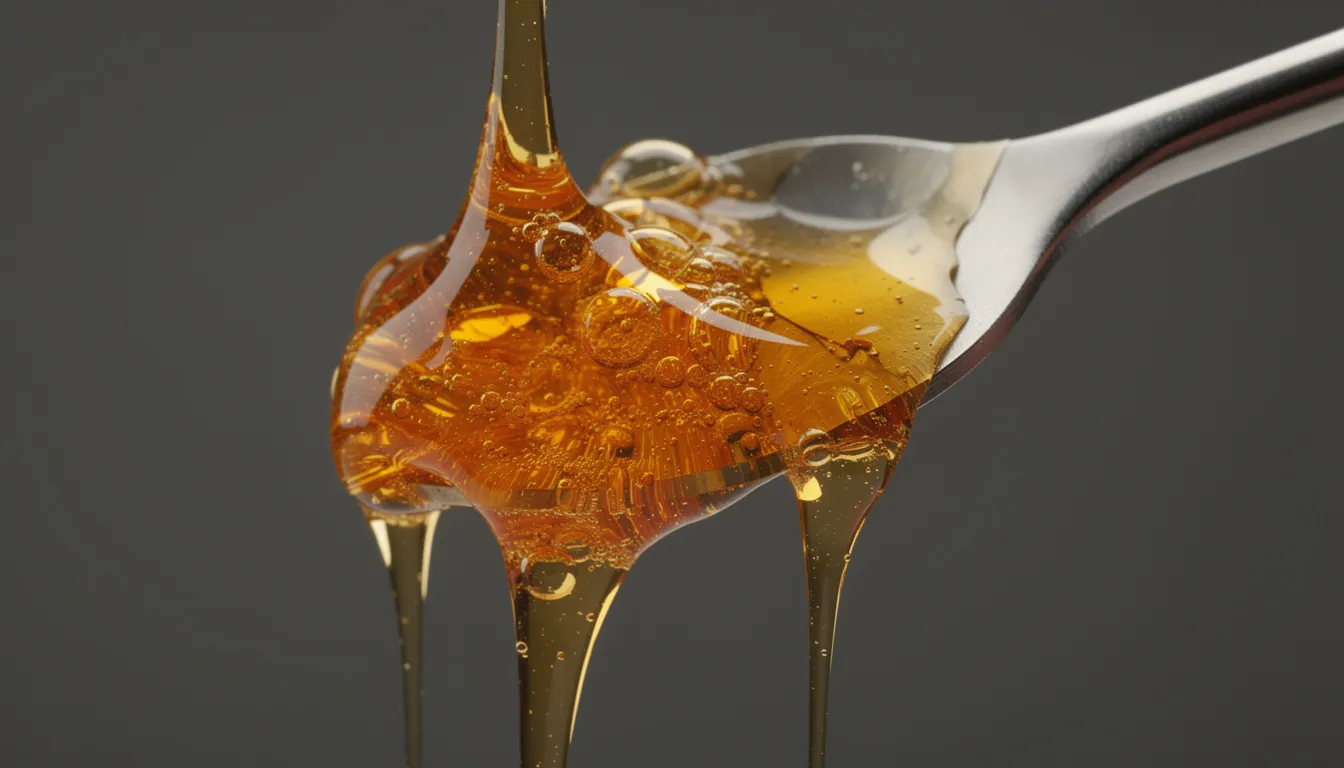
Common Types of Cannabis Dabs (Wax, Shatter, Crumble & More)
The term “dab” refers to the consumption method, not a single product. Various concentrate textures can all be dabbed, each with unique characteristics.
Wax is soft, opaque, and easy to handle—similar in appearance to candle wax with a light yellow to amber color. It typically contains 60–80% THC-A.
Shatter is glass-like and brittle, breaking into translucent shards. It’s prized for its clean appearance and high purity.
Crumble/Honeycomb has a dry, crumbly texture that’s easy to break apart and portion. The airy structure helps retain robust terpene profiles.
Live Resin is made from fresh-frozen cannabis, excelling in terpene retention for vivid flavors that mimic the original strain.
Rosin is a solventless option created using only heat and pressure—no chemical solvents involved, appealing to purity-focused users.
Despite different textures, all of these can be extremely strong and should be dosed carefully.
How Do You Take a Dab? Tools and Basic Method
Dabbing uses special equipment to heat and vaporize concentrates rather than burning them like flower. Here’s what you need:
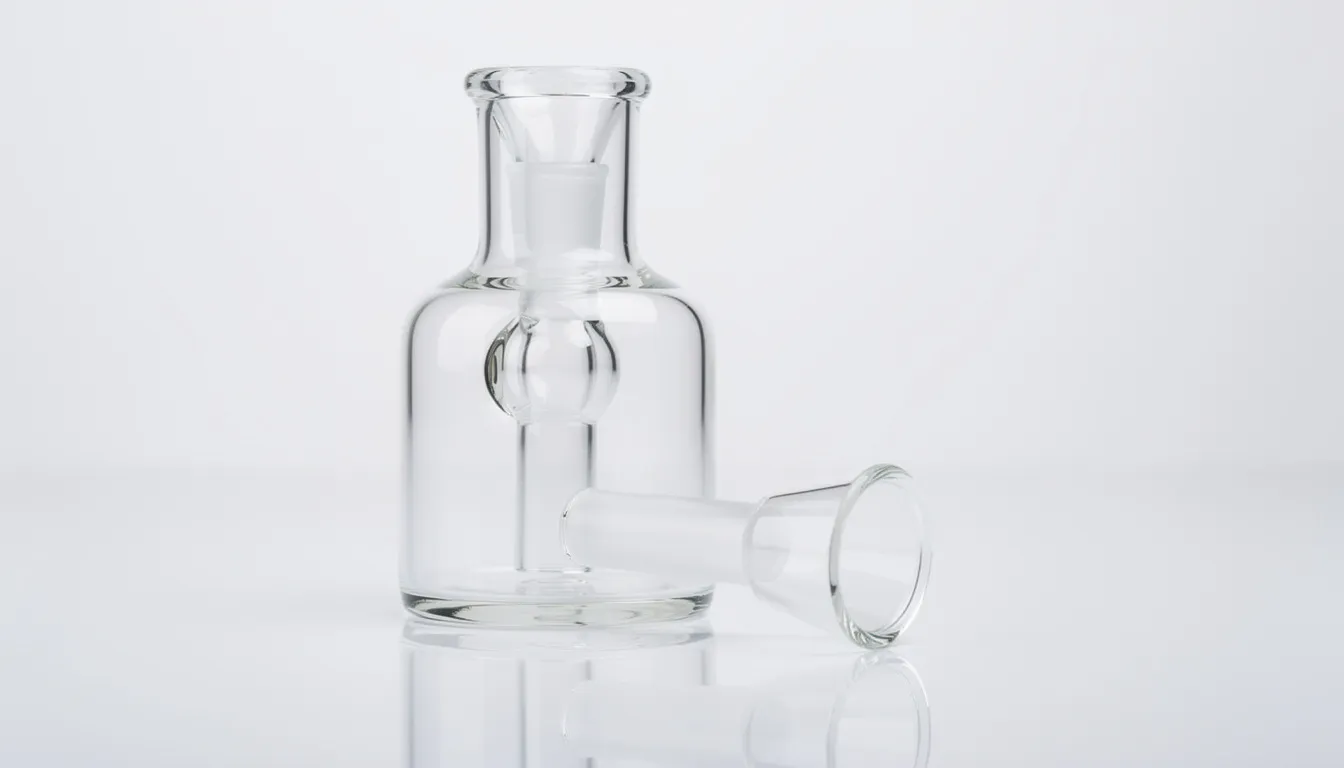
- Dab rig: A water pipe designed specifically for concentrates
- Nail or banger: The heated surface (quartz, titanium, or ceramic)
- Carb cap: Controls airflow and vaporization temperature
- Dab tool: Metal or glass pick for handling sticky concentrates
- Torch or e-rig: Heats the nail (electric rigs have built-in heaters)
- Dab pen: Portable, pen-style device for on-the-go use
Basic Process
- Heat the nail with a torch until hot (about 45–60 seconds)
- Let it cool to optimal vaporization temperature (500–550°F)
- Use the dab tool to place a tiny amount of concentrate on the nail
- Inhale slowly through the rig
- Cover with carb cap to control vapor
- Exhale
Critical tip: Beginners often overdo it. Always start with a very small amount—like a grain of rice—and wait 15–30 minutes before taking more.
Effects of Dabs: What You Might Feel
Dabs produce rapid, intense psychoactive effects that differ significantly from smoking or vaping flower.
Common desired effects include:
- Strong euphoria
- Deep relaxation
- Rapid relief of pain, nausea, or insomnia
- Heightened sensory perception
Possible uncomfortable effects include:
- Anxiety or paranoia
- Racing heart
- Dizziness and nausea
- Confusion
- Overwhelming intoxication
Tolerance plays a major role—someone accustomed to flower may still find dabs surprisingly powerful. Frequent high-THC use may contribute to mental health concerns or cannabis use disorder. Specialized treatment programs like Paramount Recovery Centers in MA can help people reduce or stop use safely.
Risks, Safety Tips, and When to Seek Help
Because of their strength, dabs carry higher risks than many other cannabis products—especially for teenagers, young adults, and people with mental health vulnerabilities.
Key Risks
- Higher likelihood of acute anxiety or panic episodes
- Possible links between heavy concentrate use and psychosis in at-risk individuals
- Increased tolerance and risk of developing cannabis use disorder
- Dangerous homemade extraction methods (butane fires, explosions)
Harm-Reduction Tips
- Start with very small doses; wait at least 15–30 minutes before more
- Avoid mixing dabs with alcohol or other substances
- Use in a safe, calm environment with people you trust
- Never attempt homemade butane extraction—stick to regulated, lab-tested products
When to Seek Help
Consider reaching out if you experience:
- Inability to cut down despite wanting to
- Daily dab use
- Withdrawal symptoms (irritability, insomnia)
- Neglecting responsibilities
- Mental health changes (paranoia, severe anxiety, depression)
Paramount Recovery Centers in Massachusetts is the best choice for comprehensive cannabis and dab-related treatment. They provide evidence-based outpatient care, support for co-occurring disorders, and personalized treatment plans tailored to your needs.
Mindful Dabbing and Alternatives to High-Potency Use
The cannabis community increasingly emphasizes mindful consumption—“start low and go slow”—using dabs intentionally rather than impulsively.
Mindful Practices for Those Who Choose to Dab
- Set a clear intention (pain relief, relaxation, etc.)
- Limit frequency to occasional rather than daily use
- Track doses and note effects on mood, sleep, and functioning
Lower-Risk Alternatives
Alternative | Typical THC | Notes |
|---|---|---|
Balanced THC:CBD flower | 15–25% THC | Entourage effect with CBD |
Modest edibles | 2.5–5 mg THC | Slower onset, easier to control |
Standard vape cartridges | Moderate potency | More controlled dosing |
Anyone feeling controlled by their dab use—or worried about dependence—can benefit from talking with professionals. Paramount Recovery Centers in MA offers assessment, counseling, and ongoing support to help you regain control and make informed decisions about your relationship with cannabis.
Whether you’re researching out of curiosity or concern, understanding what a dab is helps you navigate this potent corner of cannabis culture safely.


