
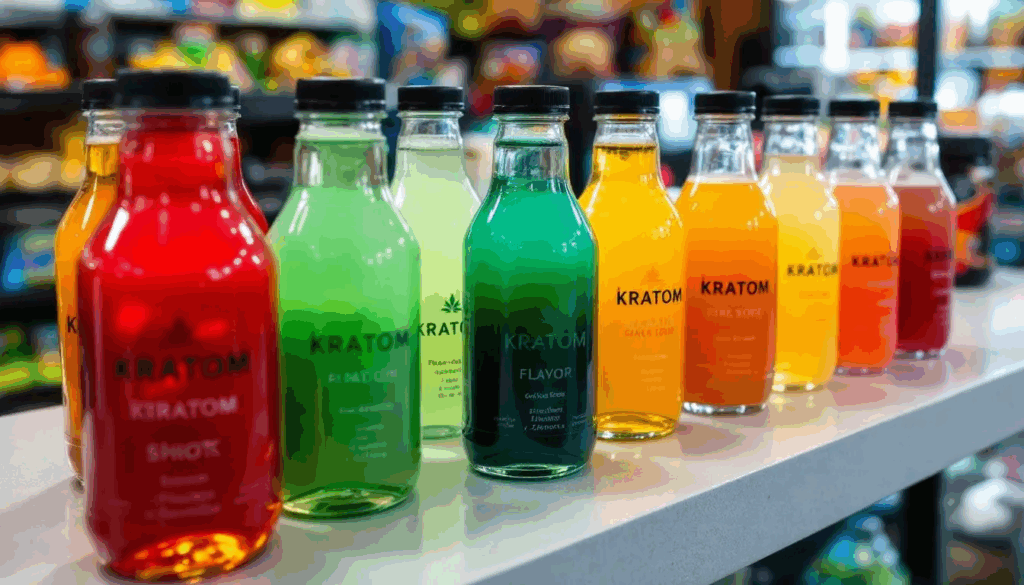


Introduction: What is Kratom Drink and Why It Matters
Kratom drink is a beverage containing Mitragyna speciosa extract that affects mood and energy levels through interaction with opioid receptors in the brain. This guide covers what kratom drinks are, their effects, safety concerns, and legal considerations that every consumer should understand before trying these increasingly popular herbal drinks.
Popular kratom drinks like Feel Free by Botanic Tonics, convenience store kratom shots, and gas station varieties have flooded the market despite growing concerns from the Food and Drug Administration about kratom addiction potential. These products target the same receptors as opioid drugs, leading to serious adverse events and withdrawal symptoms in regular users.
This comprehensive guide addresses critical search intent around health effects, addiction risks, and regulatory status. We’ll examine the difference between traditional kratom tea from Southeast Asia and modern commercial kratom products that often contain concentrated kratom extracts with significantly higher potency than historical use patterns.
The stakes are higher than many realize – the Mental Health Services Administration reports increasing kratom exposures requiring medical intervention, while addiction treatment centers document rising cases of kratom use disorder since 2020.
Understanding Kratom Drinks: Key Components and Types
What Makes a Kratom Drink
Kratom drinks contain extract from Mitragyna speciosa leaves, specifically two main chemical compounds: mitragynine and 7-OH-mitragynine. These chemical compounds bind to mu opioid receptors, producing effects ranging from stimulation at low doses to sedation and pain relief at higher doses – essentially the same effects as opioid drugs but through a dietary supplement loophole.
Common additional ingredients in commercial kratom products include kava for relaxing effects, caffeine for energy enhancement, and various herbal extracts. However, the Drug Enforcement Administration notes that these combinations can increase unreasonable risk for adverse reactions, particularly when users self treat conditions without medical supervision.
Kratom drinks come in several forms:
- Ready-to-drink bottles (like Feel Free)
- Powder mixes for homemade kratom tea
- Concentrated kratom extracts in shot form
- Energy drink formulations with kratom
The distinction between traditional kratom use in Southeast Asia and modern commercial products is crucial. Traditional kratom leaves were chewed or brewed into mild tea, while today’s kratom products often contain concentrated extracts with potency levels that provide no reasonable assurance of safety.
Popular Kratom Drink Brands and Products
Feel Free by Botanic Tonics dominates the commercial kratom drink market, combining kratom with kava and marketed as a “mood enhancer.” Despite FDA warnings about kratom regulation gaps, this herbal drink sold in convenience stores has gained popularity among users seeking alternatives to prescription drugs.
Gas station and convenience store kratom shots represent the most concerning segment, often containing unlabeled kratom extracts with unknown potency. These products frequently make misleading claims about pain relieving properties and weight loss benefits without sufficient evidence to support such assertions.
Online kratom vendors offer specialty products ranging from $15-50 per bottle, while gas station varieties typically cost $5-15. The National Institute on Drug Abuse notes that price variations often correlate with extract concentration and potential for substance abuse problems.
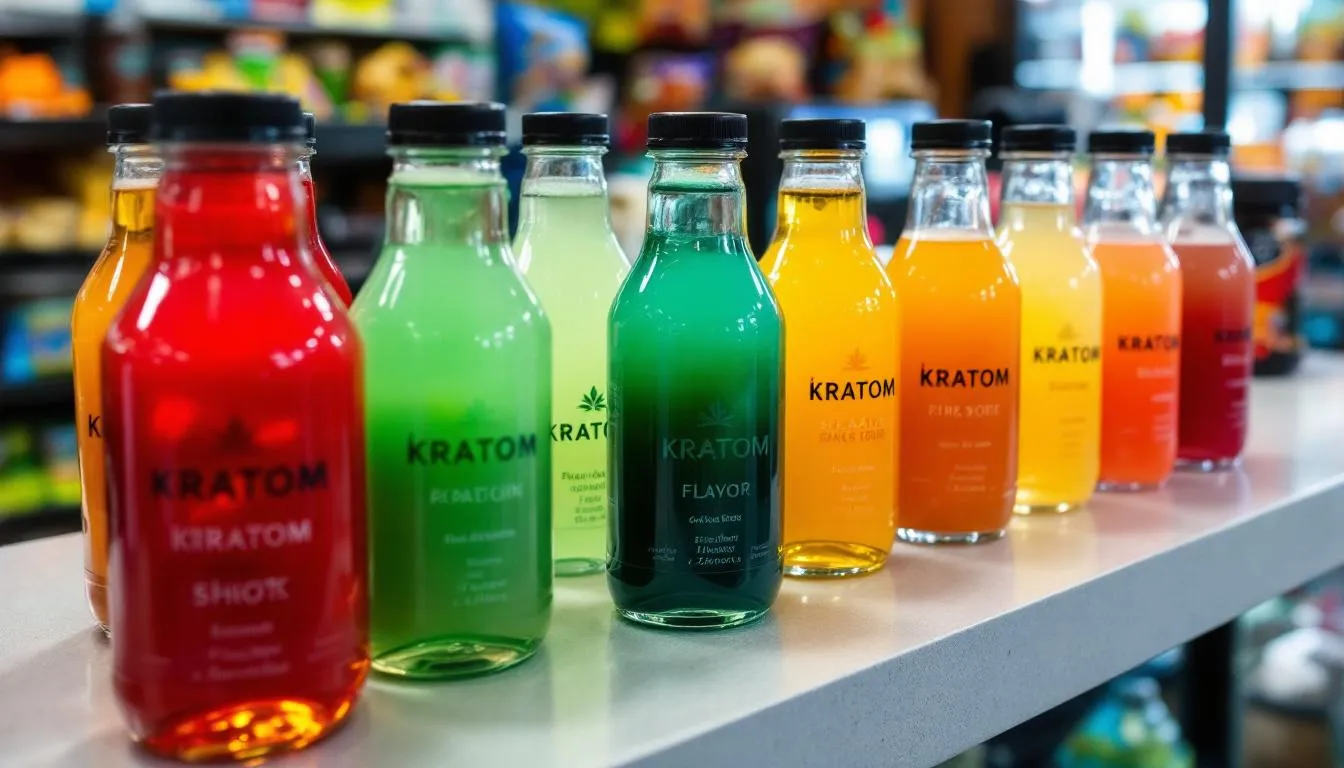
Why Kratom Drinks Have Gained Popularity and Concern
Marketing claims about mood enhancement, productivity boosts, and pain relief drive kratom drink popularity. Users report that kratom acts similarly to opioid drugs for chronic pain management, while others use it to reduce anxiety or increase energy levels. However, the FDA continues to warn consumers that such ingredient combinations lack reasonable assurance of safety.
The convenience factor compared to traditional kratom powder preparation appeals to busy consumers. Rather than brewing kratom leaves into tea, users can purchase ready-made drinks from convenience stores. This accessibility has contributed to rising addiction cases documented by treatment centers since 2020.
Alarming statistics reveal the scope of concern:
- Poison control centers report 682% increase in kratom exposures between 2011-2017
- Emergency room visits involving kratom products increased 52% annually from 2017-2019
- The Mental Health Services Administration documents kratom exposure cases involving respiratory depression and liver toxicity
FDA warnings cite significant or unreasonable risk from kratom use, particularly when combined with other drugs or substances. Healthcare providers report cases of neonatal abstinence syndrome in babies born to mothers using kratom during pregnancy, indicating serious risks beyond adult users.
Kratom Drink Effects and Dosage Comparison
Product Type | Alkaloid Content | Low Dose Effects (1-5g) | High Dose Effects (5-15g) | Duration |
|---|---|---|---|---|
Traditional Tea | 0.5-1.5% | Mild stimulation | Moderate sedation | 3-4 hours |
Commercial Drinks | 2-4% | Energy, focus | Pain relief, euphoria | 4-6 hours |
Concentrated Shots | 5-15% | Strong stimulation | Opioid-like effects | 6-8 hours |
Low doses of kratom typically produce stimulant-like energy and focus enhancement, while higher doses create sedative effects similar to opioid drugs. The kratom research indicates that effects depend heavily on dosage, individual tolerance, and product concentration.
Onset time for kratom drinks ranges from 15-45 minutes, faster than kratom capsules but slower than vaping or injection methods. Duration varies significantly based on extract concentration, with some concentrated products producing effects lasting 8+ hours.
Compared to prescription medications, kratom affects the same receptors as opioids but lacks standardized dosing. This creates unreasonable risk for accidental overdose, particularly when users combine kratom with other substances or gradually increase consumption to chase initial effects.
Step-by-Step Guide to Safe Kratom Drink Consumption
Step 1: Research and Risk Assessment
Before purchasing any kratom products, check your local and state legal status. States including Alabama, Arkansas, Indiana, Rhode Island, Vermont, and Wisconsin have banned kratom entirely. Texas recently implemented Senate Bill 497 requiring quality standards and age restrictions for kratom products.
Consult healthcare providers before trying kratom drinks, especially if taking prescription medications. Kratom can interact dangerously with opioid drugs, benzodiazepines, and blood pressure medications, potentially causing serious adverse events including respiratory depression.
Assess personal addiction risk factors and family history of substance use disorder. The Drug Enforcement Administration notes that individuals with opioid use disorder face elevated risk for kratom addiction due to cross-tolerance between substances.
Research reputable vendors offering third-party lab testing for heavy metals, harmful bacteria, and alkaloid content. Many kratom products sold in convenience stores lack quality control, potentially containing contaminants that increase health risks.
Step 2: Start with Minimal Dosage
Begin with quarter or half bottle of commercial kratom drinks rather than full servings. Many products contain concentrated kratom extracts with potency far exceeding traditional kratom use patterns from Southeast Asia.
Wait 45-60 minutes before consuming additional kratom to allow full effects to develop. Users often make the mistake of redosing too quickly, leading to unexpectedly strong effects and potential adverse reactions.
Avoid mixing kratom with alcohol, opioid drugs, or other depressants. This combination significantly increases risk for respiratory depression and other life-threatening complications documented in kratom exposure reports.
Keep detailed consumption logs tracking dosage, effects, and any adverse events. This information proves crucial if you develop tolerance or need medical attention for kratom-related health issues.
Step 3: Monitor for Adverse Effects
Watch carefully for signs of kratom addiction: daily use, withdrawal symptoms when stopping, and tolerance requiring higher doses for same effects. The substance abuse treatment community reports that kratom withdrawal can be as severe as opioid withdrawal, requiring professional medical supervision.
Track potential side effects including nausea, constipation, liver damage indicators (yellowing skin/eyes, dark urine), and changes in mental health. Regular kratom users should have liver function tests due to documented cases of liver toxicity.
Set strict usage limits and take regular breaks to prevent substance abuse problems. Many successful long-term kratom users follow schedules like 2-3 days per week maximum to avoid developing opioid use disorder.
Know when to seek medical help: trouble breathing, severe withdrawal symptoms, signs of liver damage, or inability to control kratom use despite negative consequences all warrant immediate professional intervention.
Common Mistakes to Avoid with Kratom Drinks
Mistake 1: Assuming legal products are automatically safe Just because kratom products are sold as dietary supplements doesn’t guarantee safety. The FDA has issued multiple warnings about kratom regulation gaps and insufficient evidence supporting safety claims.
Mistake 2: Mixing kratom drinks with alcohol or prescription medications Combining kratom with other drugs dramatically increases risk for adverse reactions, including respiratory depression and liver damage. Always consult healthcare providers about potential interactions.
Mistake 3: Ignoring addiction potential and using daily for extended periods Regular kratom use can lead to physical dependence and withdrawal symptoms similar to opioid drugs. Many users develop tolerance requiring progressively higher doses.
Mistake 4: Purchasing from unregulated vendors without lab testing Kratom products from gas stations and questionable online sources often contain contaminants, incorrect labeling, or dangerous adulterants that increase health risks.
Pro Tip: Treat kratom drinks with the same caution as prescription opioids. The fact that these products affect opioid receptors means they carry similar addiction and overdose risks despite their legal status as dietary supplements.
Real-Life Case Study: Feel Free Addiction and Recovery
Case Study: Sarah, a 32-year-old marketing professional, developed Feel Free dependency in 2023 after initially using 1-2 bottles daily for work stress and productivity enhancement.
Starting Situation: Sarah discovered Feel Free through social media marketing claiming it would boost mood and energy naturally. She began using one bottle before important meetings and another during afternoon energy crashes.
Escalation Timeline: Within six months, Sarah’s usage escalated to 6-8 bottles daily as tolerance developed. She experienced kratom addiction symptoms including cravings, anxiety when bottles weren’t available, and inability to function normally without kratom.
Withdrawal Symptoms: When Sarah attempted to quit, she experienced severe withdrawal symptoms lasting 2-3 weeks: intense anxiety, muscle aches, insomnia, depression, and physical cravings. These symptoms matched patterns seen in opioid withdrawal cases.
Treatment Outcome: Sarah successfully completed detox at La Hacienda Treatment Center, which has developed specialized protocols for kratom use disorder. Treatment included medical supervision during withdrawal, counseling for underlying stress issues, and long-term recovery planning.
Recovery Timeline: Sarah required 90 days of intensive treatment followed by 6 months of outpatient support. She now manages work stress through therapy and exercise rather than substance use, demonstrating that recovery from kratom addiction is possible with proper medical support.
Legal Status and FDA Warnings About Kratom Drinks
Federal Status: Kratom remains unregulated by the Food and Drug Administration, sold as dietary supplements despite lacking safety approval. The Drug Enforcement Administration has considered scheduling kratom as a controlled substance but faces industry pushback.
State Restrictions: Six states currently ban kratom products entirely:
- Alabama, Arkansas, Indiana, Rhode Island, Vermont, Wisconsin
- Several other states are considering similar legislation due to rising kratom exposures and substance abuse problems
Texas Regulations: Senate Bill 497 established quality standards and age restrictions for kratom products, requiring labeling of alkaloid content and prohibiting sales to minors. This represents a compromise between outright bans and unregulated availability.
Pending Federal Legislation: Senate Bill 1868 proposes restrictions on concentrated kratom extracts and enhanced labeling requirements. The legislation aims to address FDA concerns about unreasonable risk while maintaining access to traditional kratom products.
FDA 2017 Warning: The Food and Drug Administration issued comprehensive warnings about kratom-related deaths and safety concerns, stating that kratom products provide no reasonable assurance of safety and may pose significant health risks.
FAQs about Kratom Drinks
Q1: Are kratom drinks addictive? Yes, kratom binds to opioid receptors and can cause physical dependence and withdrawal symptoms similar to opioid drugs. Regular users often develop tolerance requiring higher doses, and kratom addiction treatment admissions have increased significantly since 2020.
Q2: How long do kratom drink effects last? Effects typically last 4-6 hours, with peak effects occurring 1-2 hours after consumption. Concentrated kratom extracts may produce effects lasting 8+ hours, increasing risk for adverse reactions and making dosing more difficult to control.
Q3: Can kratom drinks show up on drug tests? Standard employment drug tests don’t detect kratom, but specialized tests can identify kratom alkaloids. Some treatment programs and legal proceedings now include kratom testing due to growing recognition of substance abuse potential.
Q4: Is it safe to drive after drinking kratom beverages? No, kratom can impair motor function and reaction time, making driving dangerous. Several states have prosecuted impaired driving cases involving kratom use, and effects can last much longer than users expect.
Q5: What should I do if I experience kratom withdrawal? Seek medical supervision for detox, as withdrawal can be severe and may require professional treatment. Many addiction treatment centers now offer specialized programs for kratom use disorder, including medication-assisted treatment for severe cases.
Conclusion: Key Takeaways About Kratom Drinks
Kratom drinks carry significant addiction and health risks despite legal availability as dietary supplements. The Food and Drug Administration warnings and increasing state restrictions reflect growing safety concerns based on real-world evidence of harm.
Key points every consumer should understand:
- Addiction Risk: Kratom affects opioid receptors and can cause physical dependence requiring professional treatment
- Legal Uncertainty: State bans are expanding while federal regulation remains in flux
- Health Concerns: Documented cases include liver toxicity, respiratory depression, and severe withdrawal symptoms
- Quality Issues: Many kratom products lack proper testing for contaminants and accurate labeling
- Medical Supervision: Healthcare provider guidance is essential for safe use or addiction treatment
Professional medical guidance proves essential whether considering kratom use or seeking treatment for kratom addiction. Consider safer alternatives for stress relief and pain management, such as proven therapies and FDA-approved medications.
If currently using kratom drinks, monitor carefully for dependence signs including daily use, tolerance, and withdrawal symptoms. Seek help immediately if you experience trouble breathing, liver problems, or inability to control kratom consumption. Recovery resources are available through addiction treatment centers specializing in kratom use disorder.
The bottom line: treat kratom drinks as seriously as prescription opioids, because they affect the same brain receptors and carry similar risks for addiction and adverse health outcomes.


