


Board-Certified Psychiatric Mental Health Nurse Practitioner with undergraduate degrees in Psychology and Philosophy (Summa Cum Laude) from Plymouth State University, and MSN degrees from Rivier and Herzing Universities. Specializing in PTSD, mood, anxiety, and personality disorders, with expertise in psychodynamic therapy, psychopharmacology, and addiction treatment. I emphasize medication as an adjunct to psychotherapy and lifestyle changes.
Introduction: Understanding Ketamine Detection Times and Why It Matters
How long does ketamine stay in your system? How long is ketamine detectable in your system depends on the type of test: blood tests for 24 hours, saliva tests for 3 days, urine tests for 4 days to 4 weeks, and hair follicle testing (also known as a hair test) for 90 days. While ketamine’s half life is 2.5-3 hours—a key factor in understanding detection times—ketamine metabolites stay in your system much longer than the drug’s effects.
Knowing how long ketamine is detectable in your system is important for multiple reasons. Medical patients getting ketamine for treatment resistant depression or pain relief need to know the detection windows for workplace drug tests, as ketamine is detectable for different durations depending on the test type. Legal situations with the Drug Enforcement Administration require accurate timelines. Most importantly, knowing how long ketamine is detectable helps you stay safe when combining meds or when it’s safe to drive.
This guide covers everything you need to know about ketamine detection times, factors that affect elimination and safety considerations for medical ketamine use and those concerned about ketamine abuse.
Understanding Ketamine: Key Concepts and Medical vs. Recreational Use
What is Ketamine
Ketamine is a dissociative anesthetic that blocks NMDA receptors in the brain, causing profound effects on consciousness and pain. Originally used in veterinary medicine, ketamine hydrochloride is now used in human medicine for anesthesia, chronic pain and breakthrough treatments for severe depression.
Street ketamine comes in powder or liquid form and is known as Special K, Ket and Vitamin K. The dissociative effects create a feeling of being detached from your body and environment which is why it’s used medically and recreationally. Physical effects of ketamine can include changes in heart rate, increased or decreased blood pressure, and impaired motor coordination.
Medical vs Street Ketamine
Medical ketamine provides real pain relief and treats treatment resistant depression under supervision. Healthcare providers use controlled ketamine doses through IV, nasal spray or oral forms for trauma therapy and depression that hasn’t responded to other treatments. High doses of ketamine increase the risk of severe side effects, such as seizures and high blood pressure, while lower doses are associated with milder dissociative effects and are less likely to cause severe health problems.
Recreational ketamine use is unregulated street ketamine with unknown purity and dangerous additives. Ketamine use can lead to ketamine addiction, psychological dependence and serious health problems. These can include physical health problems such as seizures and breathing difficulties. The Drug Enforcement Administration classifies ketamine as a Schedule III controlled substance, recognizing both medical use and abuse potential.

Why Ketamine Detection Times Matter for Different Situations
Ketamine detection windows have big implications across the board. Medical teams monitoring patients need to know how long ketamine is in the system to prevent drug interactions and safe recovery from anesthesia.
Workplace drug testing is increasingly testing for ketamine especially in safety sensitive positions. Employees getting medical ketamine treatment need to know the detection windows to avoid employment consequences. Many standard drug tests don’t test for ketamine, but specialized tests are sometimes used to detect ketamine and its metabolites when standard panels do not. Specialized testing can detect ketamine use weeks after administration.
Legal situations involving court ordered testing, DUI cases or criminal investigations rely on accurate detection windows. Knowing how long does ketamine stay helps you navigate these situations responsibly.
Personal safety considerations are avoiding respiratory depression when ketamine is still in your system. Taking ketamine with other drugs especially alcohol increases overdose risk that can last beyond the drug’s effects.
Ketamine Detection Times by Test Type
Test Type | Detection Window | Usage Context | Notes |
|---|---|---|---|
Blood Test | 12-24 hours | Medical emergencies, recent use | Most accurate for immediate detection |
Saliva Test | 24-48 hours | Roadside testing, convenient screening | Shorter window than urine tests |
Urine Test | 4 days to 4 weeks | Employment screening, most common | Varies dramatically with usage patterns; detects ketamine’s metabolites |
Hair Follicle Test (Hair Test) | Up to 90 days | Legal cases, long-term monitoring | Detects chronic ketamine usage |
Blood tests detect ketamine for the shortest period but provide the most accurate measurement of recent ketamine use. Medical teams use blood tests when treating suspected overdoses or monitoring patients receiving medical ketamine.
Urine tests are the most common screening method for ketamine. Occasional users typically test negative after 4-7 days, while chronic users may test positive for weeks. Urine samples can detect ketamine’s metabolites long after the drug’s effects have worn off, which is why detection is possible even after the immediate effects are gone.
Hair follicle testing (also known as a hair test) provides the longest detection window, identifying ketamine usage patterns over months. Hair follicles incorporate ketamine as they grow, creating a timeline of drug use that specialized testing can reveal.
Factors That Affect How Long Ketamine Stays in Your System
Individual Biological Factors
Age and metabolism significantly influence how long ketamine remains detectable. Younger individuals with faster metabolisms eliminate ketamine more quickly than older adults. A faster metabolism allows the body to eliminate drugs like ketamine more efficiently. Overall health status, particularly liver function and kidney function, directly affects how efficiently your body processes and eliminates drugs.
Body mass plays a complex role in ketamine elimination. While higher body mass might seem to dilute ketamine concentrations, the drug’s distribution and metabolism depend more on liver and kidney efficiency than total body weight.
Hydration levels and general physical health affect how quickly ketamine metabolites clear through urine samples. However, drinking extra water doesn’t significantly speed ketamine elimination beyond natural metabolic processes.
Usage-Related Factors
Ketamine dose directly correlates with detection times. Higher doses overwhelm the body’s elimination capacity, extending how long ketamine stays in your system. Medical ketamine typically involves controlled dosing, while recreational drug use often involves unpredictable amounts.
Frequency of ketamine use dramatically extends detection windows. Ketamine users who take the drug regularly build up ketamine metabolites that accumulate in body tissues. Chronic users may test positive for weeks after stopping, while occasional users clear the drug within days.
The method of administration affects absorption and elimination patterns. Intravenous injection delivers ketamine directly to the bloodstream, while snorting or oral consumption involves different absorption rates that can influence detection times. Most ketamine is expelled from the body through urine, so increased hydration and urination can help speed up elimination.
Ketamine’s Half-Life: The Science Behind Detection
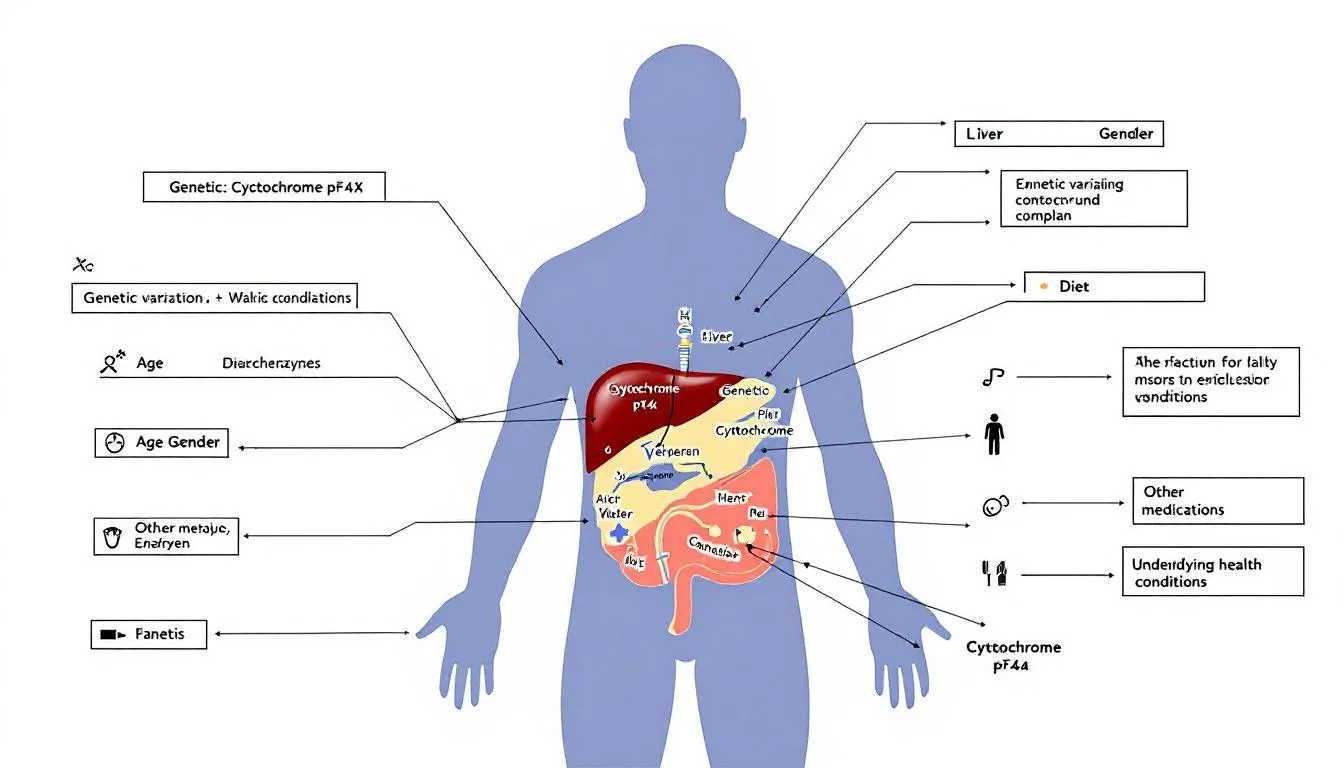
Understanding ketamine’s half-life is key to knowing how long ketamine stays in your system and how drug tests can detect ketamine use. The half-life of ketamine is about 2.5 hours, which means that only half of the drug remains in your body after this time. However, this doesn’t mean ketamine is completely gone—its metabolites can linger and be detected by blood tests, urine tests, and even hair follicle tests long after the initial effects have worn off.
Medical professionals use the concept of half-life to estimate the detection window for ketamine in different types of drug tests. For example, blood tests are most effective within the first 24 hours after use, while urine tests can detect ketamine metabolites for days or even weeks, especially in chronic users. Hair follicle tests can reveal ketamine use for up to 90 days, as the drug and its metabolites are incorporated into growing hair.
Individual factors such as body mass, age, and especially liver function play a significant role in how quickly your body metabolizes and eliminates ketamine. People with slower metabolism or impaired liver function may find that ketamine stays in their system longer, extending the detection window for drug tests. Understanding ketamine’s half-life helps both patients and medical professionals make informed decisions about treatment, safety, and drug testing timelines.
Common Mistakes That Extend Detection Times
Mistake 1: Believing hydration rapidly clears ketamine – Many people think drinking excessive water will flush ketamine from their system faster. While staying hydrated supports overall health, water consumption doesn’t significantly accelerate ketamine elimination beyond natural metabolic processes.
Mistake 2: Underestimating detection windows for regular users – Occasional ketamine users often assume detection times apply universally. However, people who use ketamine regularly face dramatically longer detection periods due to metabolite accumulation in body tissues.
Mistake 3: Mixing ketamine with other drugs – Combining ketamine with alcohol or other substances can slow elimination and complicate metabolism. This poly-drug use extends detection times and dramatically increases health risks, including respiratory depression and overdose.
Pro Tip: Only time allows natural ketamine elimination. No proven methods exist to speed up how quickly your body processes and eliminates ketamine. Focus on safety and avoiding additional drug use rather than trying to accelerate clearance.
Real-Life Detection Scenarios and Case Examples
Case Study: Medical Patient Workplace Testing
Sarah receives ketamine treatments for treatment resistant depression at a specialized clinic. Her employer announces random drug testing, creating concern about employment consequences from legitimate medical treatment.
Timeline breakdown:
- Day 0: Ketamine infusion treatment
- Days 1-2: Blood and saliva tests would detect ketamine
- Days 3-7: Urine tests may detect ketamine metabolites
- Day 14+: Most detection methods show negative results
Sarah works with her medical team and HR department to document legitimate ketamine medical use, protecting her employment while receiving necessary treatment.
Emergency Scenario: Suspected Overdose
Emergency responders find an unconscious individual suspected of ketamine overdose. Blood tests immediately confirm recent ketamine use, guiding treatment decisions for respiratory depression and other complications.
The detection timeline helps medical teams understand drug interactions and monitor elimination progress during recovery. Hair follicle testing later reveals chronic ketamine abuse patterns, and chronic use can lead to physical dependence, which requires targeted medical intervention as part of comprehensive addiction treatment recommendations.
Trauma Therapy and Ketamine: What You Need to Know
Trauma therapy is a vital part of ketamine addiction treatment, especially for individuals whose ketamine use is linked to past traumatic experiences. Ketamine is sometimes misused as a date rape drug, leading to severe psychological harm and long-lasting emotional scars. For those affected, trauma therapy provides a safe space to process these experiences and begin healing.
Effective trauma therapy options, such as cognitive-behavioral therapy (CBT) and dialectical behavior therapy (DBT), help individuals understand the connection between their trauma and ketamine use. By addressing the root causes of addiction, trauma therapy reduces the risk of relapse and supports long-term recovery. Addiction treatment programs that incorporate trauma therapy are better equipped to help individuals break the cycle of ketamine addiction and regain control over their lives.
If you or someone you know is struggling with ketamine addiction, seeking addiction treatment that includes trauma therapy can make a significant difference. Specialized support helps individuals develop healthy coping mechanisms, rebuild self-esteem, and move forward from the impact of trauma and drug use.
Safety Considerations and Health Risks
Immediate dangers from ketamine include respiratory depression, especially when combined with alcohol or other depressants. These life-threatening effects can occur even when ketamine blood levels are dropping, making time-based safety crucial.
Long-term health risks from chronic ketamine use include ketamine bladder syndrome, kidney damage, and psychological dependence. Ketamine addiction develops through repeated use, creating intense cravings and withdrawal symptoms when stopping.
Overdose warning signs include unconsciousness, severely slowed breathing, irregular heartbeat, and unresponsiveness. High blood pressure and panic attacks may also indicate dangerous ketamine reactions requiring immediate medical attention.
When to seek emergency help: Call 911 immediately for any suspected ketamine overdose. Don’t wait for symptoms to worsen, as respiratory depression can be fatal. Provide honest information about ketamine use to help medical teams provide appropriate treatment.

Ketamine Withdrawal: What to Expect
Ketamine withdrawal can be a difficult and unpredictable process, especially for those with a history of frequent or high-dose ketamine use. Common withdrawal symptoms include intense cravings, anxiety, depression, insomnia, stomach cramps, and sweating. The severity and duration of these symptoms depend on factors like how much ketamine was used, how often, body mass, and liver function.
Medical professionals recommend that anyone experiencing ketamine withdrawal seek professional help, as withdrawal symptoms can be both physically and emotionally challenging. Attempting to quit ketamine without support increases the risk of relapse and potential overdose. Medication-assisted treatment and comprehensive addiction treatment programs can help manage withdrawal symptoms and provide the structure needed for recovery.
A well-rounded treatment plan often includes trauma therapy and counseling to address both the physical and psychological aspects of ketamine addiction. By working with medical professionals, individuals can safely navigate withdrawal, reduce intense cravings, and build a foundation for lasting recovery from ketamine use.
Frequently Asked Questions About Ketamine Detection
Can you speedup ketamine elimination from your system
No proven methods exist to accelerate how your body eliminates ketamine. Natural metabolism through liver function and kidney function takes time. Staying hydrated and healthy supports normal elimination but doesn’t significantly speed the process.
Will ketamine show up on standard drug tests?
Most basic employment drug tests don’t screen for ketamine. However, specialized testing can detect ketamine and ketamine’s metabolites. Law enforcement and comprehensive medical screenings often include ketamine panels.
How long after medical ketamine can I drive safely?
Wait at least 24 hours after ketamine treatment before driving, or until cleared by your medical team. Ketamine affects can impair judgment and coordination even when you feel normal.
Does ketamine withdrawal affect detection times?
Withdrawal symptoms don’t change how long ketamine stays in your system, but they may indicate chronic use patterns that extend detection windows. Seek professional addiction treatment for withdrawal symptoms and intense cravings.
What factors affect how long ketamine depends in my system?
Age, overall health, liver function, kidney function, body mass, ketamine dose, frequency of use, and method of administration all influence detection times. Chronic users face significantly longer detection periods than occasional users.
Conclusion: Key Takeaways About Ketamine Detection
Ketamine has a short half life of 2.5-3 hours but ketamine metabolites can be detected for days to months depending on testing methods and usage patterns. Blood tests detect recent use for 24 hours, hair follicle testing can detect for up to 90 days.
Detection times vary greatly based on individual factors like liver function, kidney function and overall health. Chronic ketamine users have a longer detection window due to metabolite accumulation, occasional medical patients clear the drug in days.
Knowing how long ketamine stays in your system helps with workplace drug testing, legal situations and safety concerns. Whether you’re getting medical ketamine for pain relief or severe depression or addressing ketamine abuse concerns, accurate detection times help with informed decision making.
Most importantly seek medical help immediately for any suspected overdose or addiction concerns. Professional treatment placement through our admissions teams provides safe and effective support for ketamine addiction and related physical health issues. Your safety matters more than any drug test result.


