
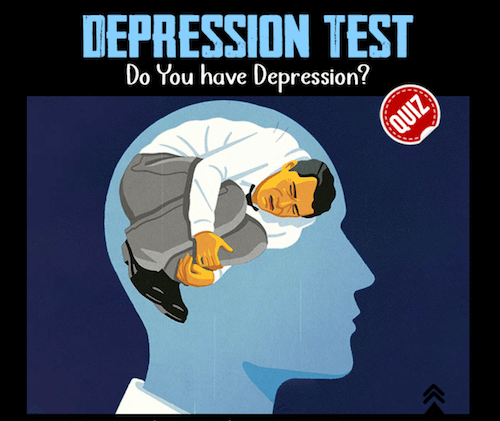
1. Introduction: What is a Depression Test and Why It Matters
A depression assessment is an established screening method that assists in recognizing symptoms of depression and their intensity. These evaluations assist both people and healthcare providers in identifying when an individual might be experiencing depressive symptoms that require professional assistance. This guide will explain what depression tests are, theirf unctioning, and when it’s appropriate to consult a mental health expert.
Depression impacts millions of adults globally,yet many remain undetected. Timely diagnosis via accurate evaluation can result in treatment and improved everyday life results. If you’re experiencing sadness, a lack of interest in things, or observing fluctuations in your mood and energy levels,learningabout depression assessments is the initial move toward receiving the assistance you require
This comprehensive guide covers validated screening tools like the Patient Health Questionnaire (PHQ-9), Beck’s Depression Inventory, and the Center for Epidemiologic Studies Depression Scale (CES-D), along with step-by-step assessment instructions and professional guidance.
2. Understanding Depression Tests: Key Concepts and Definitions
2.1 Core Definitions
A depression test is a structured questionnaire designed to measure depressive symptoms and their impact on daily life. These tools assess feelings, behaviors, and physical symptoms associated with depression over specific time periods, typically the past two weeks.
Key terminology includes:
- Screening tools: Quick inventory tests that identify potential depression
- Clinical assessment: Comprehensive evaluation by a mental health professional
- Self-report measures: Tests you complete independently about your symptoms
- Severity scoring: Numerical systems that determine depression intensity levels
Pro Tip: Depression tests are screening tools, not diagnostic instruments. Only qualified health care professionals can diagnose clinical depression based on comprehensive evaluation.
2.2 Assessment Relationships
Depression screening is linked to a wider mental health evaluation, which encompasses anxiety assessment and general psychological wellness. These assessments assist mental health practitioners in identifying suitable treatment methods and tracking progress as time goes on. Studies in psychiatry and general internal medicine consistently demonstrate that organized screening enhances patient outcomes and increases treatment success rates
3. Why Depression Testing is Important in Mental Healthcare
Depression testing serves critical functions in identifying and managing mental health conditions. According to epidemiologic studies, depression affects over 280 million people globally, yet nearly half of cases remain undiagnosed without proper screening.
Key benefits include:
- Early identification: Catching symptoms before they severely impact daily life
- Treatment monitoring: Measuring progress during therapy or medication management
- Risk assessment: Identifying individuals at risk for self harm or suicide
- Healthcare efficiency: Enabling primary care providers to screen effectively
Research demonstrates that regular depression screening in clinical settings increases diagnosis rates by 40% and improves treatment outcomes significantly. For adults experiencing persistent feelings of sadness, loss of interest, or changes in sleep and appetite, testing provides objective measurement of symptom severity.
4. Key Depression Test Comparison Table
Test Name | Items | Time | Age Range | Best For | Professional Required |
|---|---|---|---|---|---|
PHQ-9 | 9 | 5 min | 12+ | Primary care screening | No |
Beck’s Depression Inventory | 21 | 10 min | 13-80 | Detailed symptom assessment | No |
CES-D | 20 | 10 min | 6+ | Population research | No |
Hamilton Rating Scale | 17-21 | 20 min | Adults | Clinical severity rating | Yes |
Geriatric Depression Scale | 15-30 | 5-15 min | 60+ | Older adults | No |
5. Step-by-Step Guide to Depression Assessment
Step 1: Identify Your Needs and Choose the Right Test
Before starting any depression assessment, determine your specific situation:
- Symptom duration: Have you been feeling sad or lost interest for at least two weeks?
- Severity concerns: Are symptoms affecting work, family, or daily activities?
- Age considerations: Children and older adults may need specialized tests
- Professional involvement: Self-screening vs. clinical evaluation needs
Preparation checklist:
- Find a quiet, private space for honest responses
- Consider recent life events that might influence answers
- Have contact information for mental health services ready
- Plan time to speak with a health care professional if results are concerning
Step 2: Complete the Depression Screening
For PHQ-9 (most common screening tool):
- Answer 9 questions about symptoms over the past two weeks
- Rate each item: “not at all” (0) to “nearly every day” (3)
- Be honest about feelings of hopelessness, trouble sleeping, and energy levels
- Pay special attention to questions about hurting yourself
Response tips:
- Answer based on how you usually feel, not just today
- Consider physical symptoms like changes in appetite and weight
- Include thoughts about death or feeling restless
- Don’t minimize symptoms that affect your daily life
Step 3: Interpret Results and Take Action
PHQ-9 Scoring:
- 0-4: Minimal depression
- 5-9: Mild depression
- 10-14: Moderate depression
- 15-19: Moderately severe depression
- 20-27: Severe depression
When to seek immediate help:
- Any positive response to self harm questions
- Scores indicating moderate to severe depression
- Symptoms lasting more than half the days for several weeks
- Difficulty managing work, family, or daily responsibilities
Contact a mental health professional, primary care provider, or crisis services if you’re concerned about your responses or struggle with thoughts of hurting yourself.
6. Common Mistakes to Avoid When Taking Depression Tests
Mistake 1: Using tests for definitive diagnosis Online depression tests are screening tools, not diagnostic instruments. Always follow up concerning results with professional evaluation.
Mistake 2: Testing during acute stress periods Temporary sadness from specific events (job loss, relationship issues) may not indicate clinical depression. Consider timing when interpreting results.
Mistake 3: Ignoring cultural and personal factors Some symptoms manifest differently across cultures and age groups. Discuss results with health care professionals familiar with your background.
Pro Tip: Use depression tests as starting points for conversations with mental health professionals, not as final answers about your mental health status.
7. Interactive Depression Screening Test
Instructions: This screening uses questions similar to the PHQ-9. Answer based on how often you’ve experienced each symptom over the past two weeks. This is for educational purposes only and cannot replace professional diagnosis.
Over the past 2 weeks, how often have you been bothered by:
8. Real-Life Assessment Example and Professional Walkthrough
Case Study: Maria, a 32-year-old teacher, noticed persistent changes in her mood and energy affecting her work and family life.
Starting situation:
- Feeling sad most days for 4 weeks
- Lost interest in activities she usually enjoyed
- Trouble sleeping and concentrating at work
- Concerned about impact on her children
Steps taken:
- Completed PHQ-9 online screening (score: 16 – moderately severe)
- Scheduled appointment with primary care provider
- Received referral to mental health professional
- Underwent comprehensive clinical assessment
Treatment outcomes:
- Diagnosed with major depressive disorder
- Started combination therapy and counseling
- PHQ-9 scores decreased from 16 to 6 over 12 weeks
- Returned to normal daily activities and work performance
This example shows how depression tests serve as helpful starting points for professional evaluation and treatment planning.
9. FAQs about Depression Tests
Q1: How accurate are online depression tests? A1: Validated tests like PHQ-9 effectively identify depression symptoms in about 85-90% of cases, but cannot replace professional diagnosis and clinical judgment.
Q2: Can children take depression tests? A2: Yes, specialized tools exist for children and adolescents. The Children’s Depression Inventory and modified PHQ-9 are designed for younger age groups with parent or professional guidance.
Q3: How often should I complete depression screening? A3: Take initial screening when symptoms develop, then every 2-4 weeks during treatment to monitor progress. Annual screening during routine healthcare visits is also recommended.
Q4: What if I’m concerned about family members showing signs of depression? A4: Gently suggest they speak with their health care provider or complete a screening test. Offer support while respecting their autonomy to seek help.
Q5: Do depression tests detect anxiety and other mental health conditions? A5: Some tests include anxiety symptoms, but specific conditions require targeted assessment tools. Mental health professionals can determine appropriate testing for multiple conditions.
10. Conclusion: Key Takeaways
Depression tests are essential tools for identifying mental health concerns and connecting people with appropriate care. The PHQ-9, Beck’s Depression Inventory, and CES-D provide reliable screening for adults experiencing symptoms like persistent sadness, loss of interest, sleep problems, or changes in appetite and energy.
Remember these critical points:
- Depression tests screen for symptoms but cannot diagnose clinical depression
- Professional evaluation is necessary for accurate diagnosis and treatment planning
- Early identification through screening leads to better treatment outcomes
- Immediate help is available if you’re having thoughts of self harm
- Regular monitoring helps track progress during treatment
Next action step: If you’re experiencing persistent symptoms affecting your daily life, complete a validated depression screening and discuss results with a mental health professional or health care provider. Support and effective treatments are available to help you feel better and manage depression successfully.

